Published January 2, 2026
Utah’s 2026 Momentum: The Projects, Growth, and Shifts Shaping What’s Next

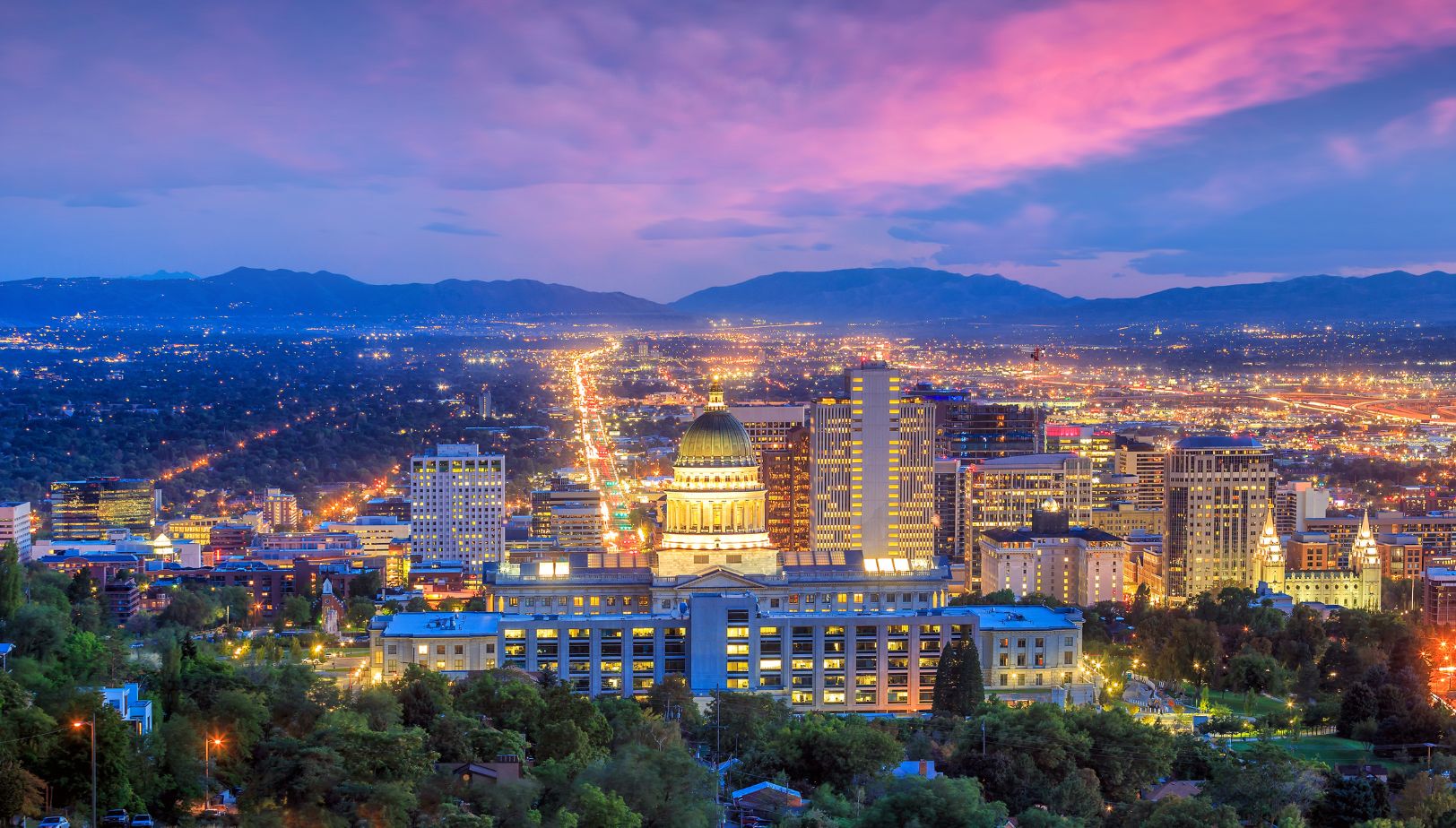
Utah is entering 2026 with the same story it’s been writing for years: strong job growth, major in-migration, and big bets on infrastructure and placemaking. Below is what’s new, under construction, or coming in 2026.
Developments
1) The Point (Draper) — Utah’s Largest Redevelopment Project
The Point is the state-led transformation of the former Utah State Prison site into a long-horizon, mixed-use district designed to become a new south-valley gravity center for jobs, housing, entertainment, and walkability. Early work is intentionally “invisible” because it’s focused on backbone infrastructure—utilities, grading, and streetscapes—to prepare Phase 1 for vertical construction. Public reporting and official planning materials consistently describe a first wave anchored by a Promenade-style main street, an innovation district, and a mid-size entertainment venue intended to catalyze activity and private investment. Read More Here.
Scale: ~600-acre state-owned site; Phase 1 covers ~100 acres
Timeline: Infrastructure work underway; first vertical development expected mid-to-late 2026
Anchors: Planned 5,000-seat entertainment venue and early multifamily residential
Vision: Walkable “Promenade,” innovation-focused districts, retail, housing, and employment
Investment: Public financing packages in the ~$200–250M range tied to infrastructure and venue development
Horizon: Multi-decade buildout with phased public-private development
2) Utah City (Vineyard) — a Walkable Downtown on the Lake
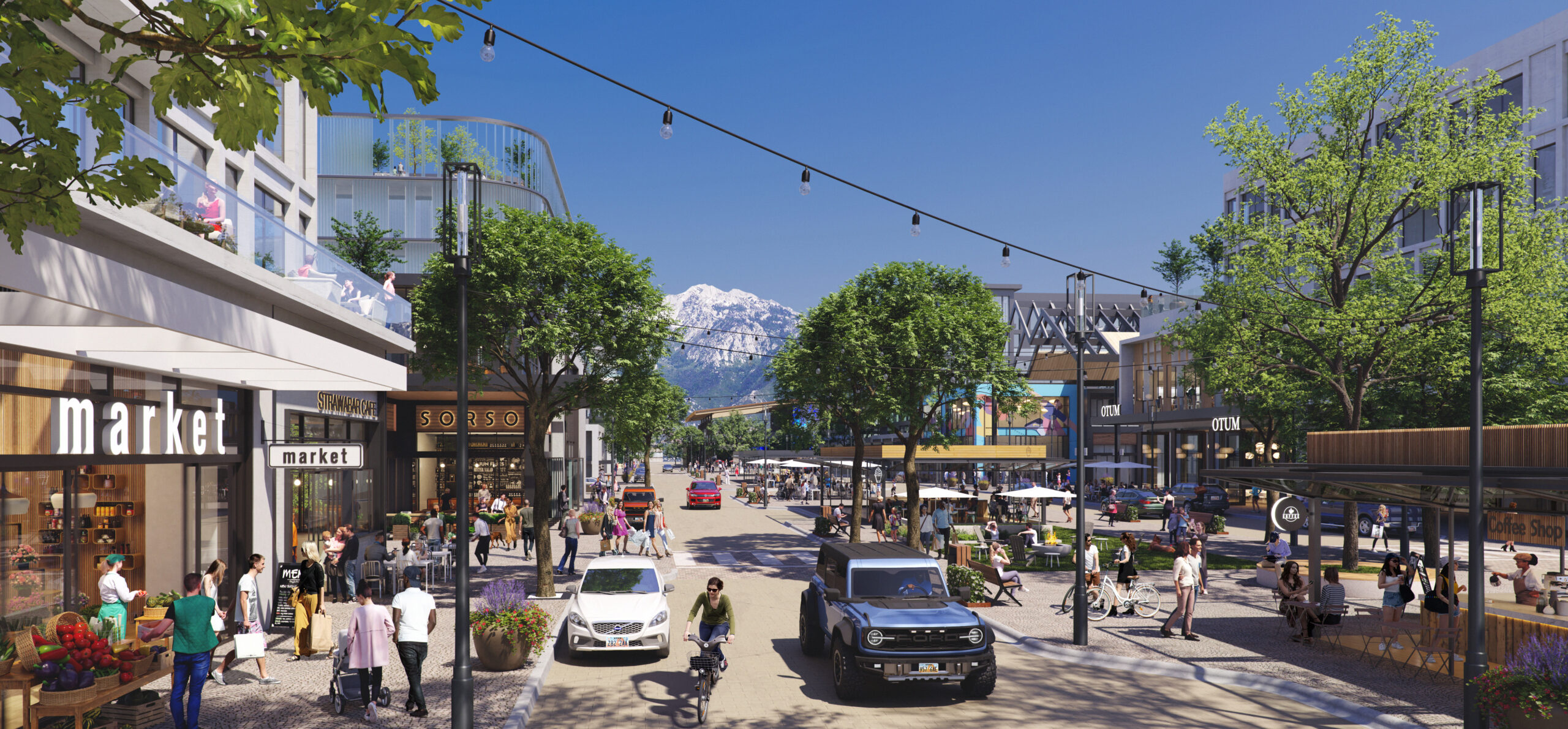
Utah City represents one of Utah’s most ambitious “new urbanism” efforts—a master-planned, mixed-use downtown rising from the former Geneva Steel site along Utah Lake. The project is designed as a walkable, transit-oriented district with a blend of residential, retail, office, and civic uses, intentionally structured to create long-term value rather than short-term absorption. Its proximity to FrontRunner, I-15, and institutional anchors positions it as a multi-decade growth node for Utah County. Read More Here.
Scale: ~700+ acres planned as a fully integrated downtown district
Timeline: Infrastructure and early phases underway; vertical development rolling out in stages through late 2020s
Land use mix: Multifamily and townhomes, office, retail, hospitality, and civic space.
Transit access: Direct proximity to FrontRunner, I-15, and regional trail networks
Vision: Walkable streets, public plazas, lake-adjacent amenities, and dense urban form
Horizon: Long-term, phased buildout intended to mature into a true second downtown for Utah County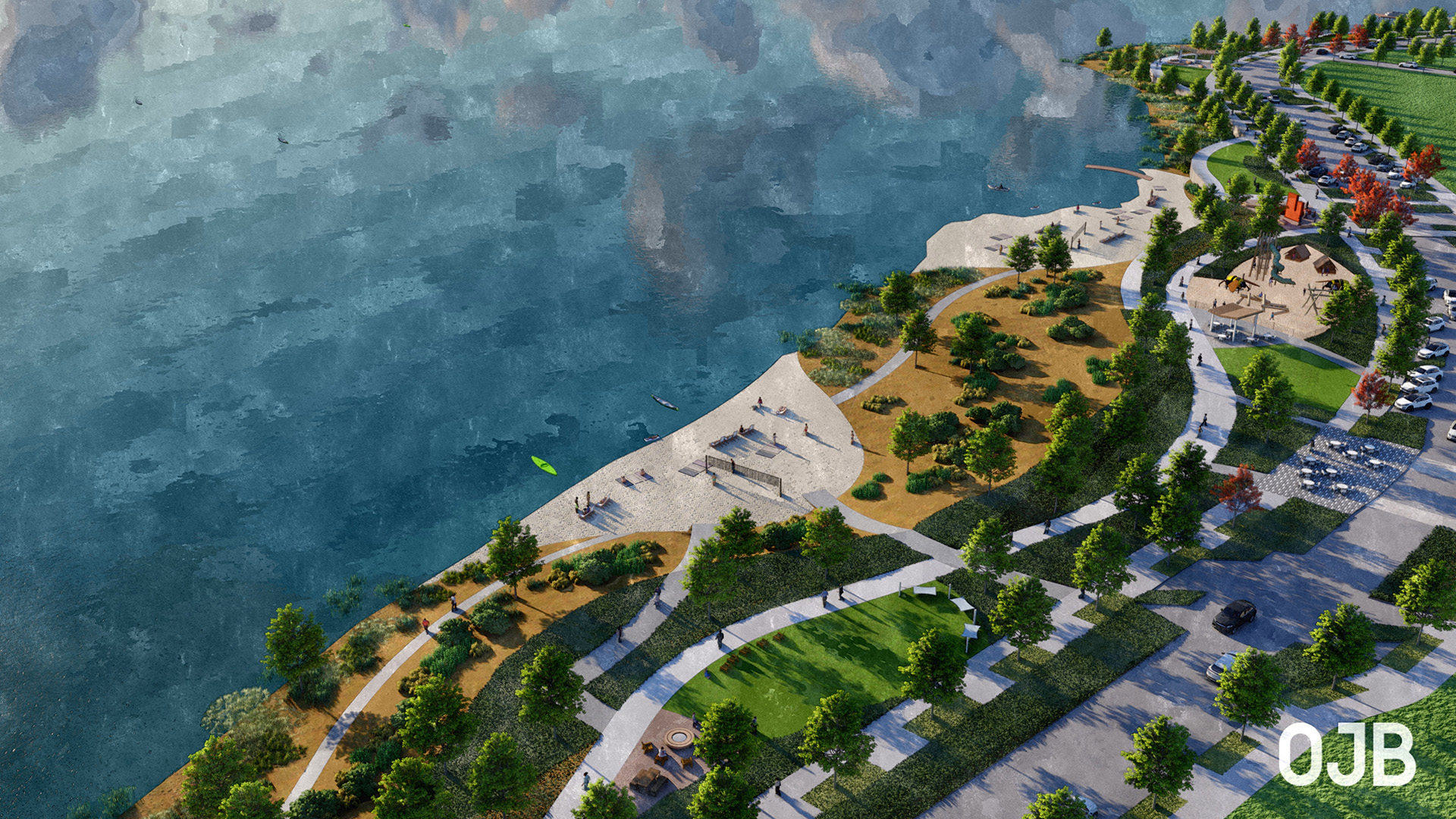
3) Texas Instruments in Lehi
Texas Instruments’ expansion in Lehi cements the area as a long-term advanced manufacturing hub within Silicon Slopes. The company’s second fabrication plant (LFAB2) is well underway, reinforcing TI’s decades-long commitment to Utah and signaling durable job creation rather than short-cycle tech growth. This type of capital-intensive, high-skill manufacturing investment supports sustained housing demand, office and flex space absorption, and higher-quality retail over time—making it one of the most consequential economic projects in the state. Read More Here.
Facility: LFAB2 (second semiconductor fabrication plant) adjacent to existing Lehi campus.
Current status: Active construction underway; multiple cranes on site
Investment scale: Part of TI’s broader $60B+ U.S. manufacturing investment strategy
Jobs: Thousands of direct and indirect high-wage, high-skill positions over time
Economic impact: Long-duration employment engine supporting housing, services, and supplier ecosystems
Horizon: Multi-decade operational life with ongoing reinvestment and expansion potential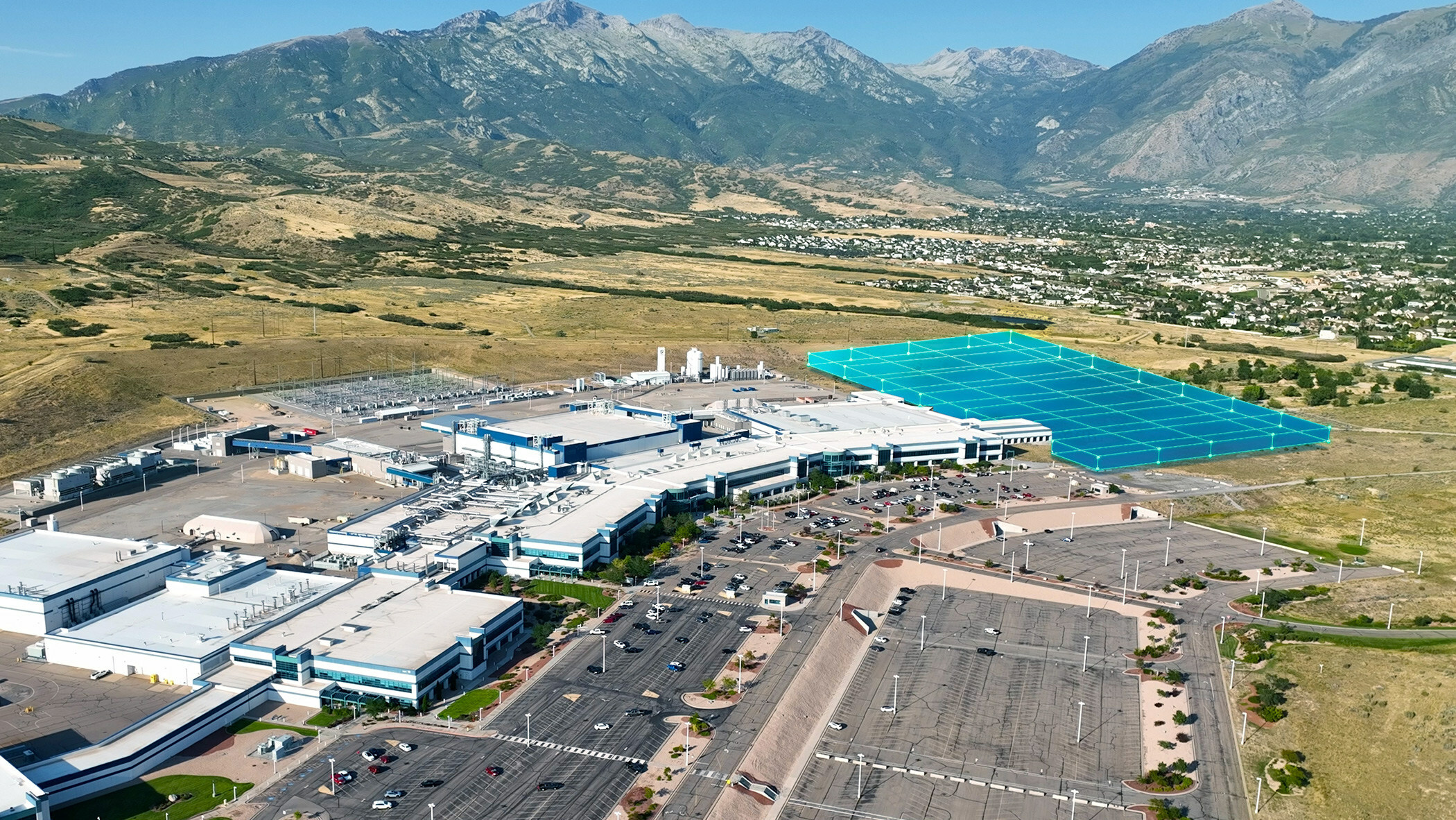
4) Box Elder County Nuclear “Ecosystem”
Box Elder County is emerging as a focal point for Utah’s next-generation energy strategy, with state and local leaders outlining plans for a nuclear-focused ecosystem that spans workforce training, advanced manufacturing, and the long-term potential for reactor deployment. Rather than a single facility, the vision centers on building the full support infrastructure needed for nuclear energy development, positioning northern Utah as a durable, high-skill employment center and signaling a strategic diversification of the state’s economic base beyond traditional tech and logistics. Read More Here.
Location: Box Elder County / Brigham City area
Scope: Workforce training, component manufacturing, and nuclear support infrastructure
Status: Planning and site evaluation underway; public announcements signal long-term intent
Jobs: High-skill technical and engineering roles with strong multiplier effects
Energy impact: Supports grid reliability and advanced energy diversification
Horizon: Long-term, multi-phase development with regional and national implications
Culture & Entertainment
1) Downtown Salt Lake sports/Entertainment District
This project represents one of the most consequential urban moves in Salt Lake City’s modern history—a reimagined downtown district anchored by major sports venues, convention assets, and a significantly upgraded street-level experience. The intent is not incremental improvement, but a structural shift in how downtown functions day and night, turning event traffic into sustained economic activity. Public-sector leaders have framed the effort as a generational investment aimed at strengthening Salt Lake’s competitiveness as a national-scale downtown. Read More Here.
Focus: Sports, entertainment, convention, and hospitality-driven downtown activation
Anchors: Delta Center upgrades, adjacent mixed-use development, and convention assets
Vision: Walkable streets, active ground-floor retail, and year-round programming
Investment: Large-scale public-private partnership with multi-hundred-million-dollar scope
Economic impact: Increased tourism, hotel demand, and downtown residential absorption
Horizon: Phased redevelopment extending through the late 2020s and beyond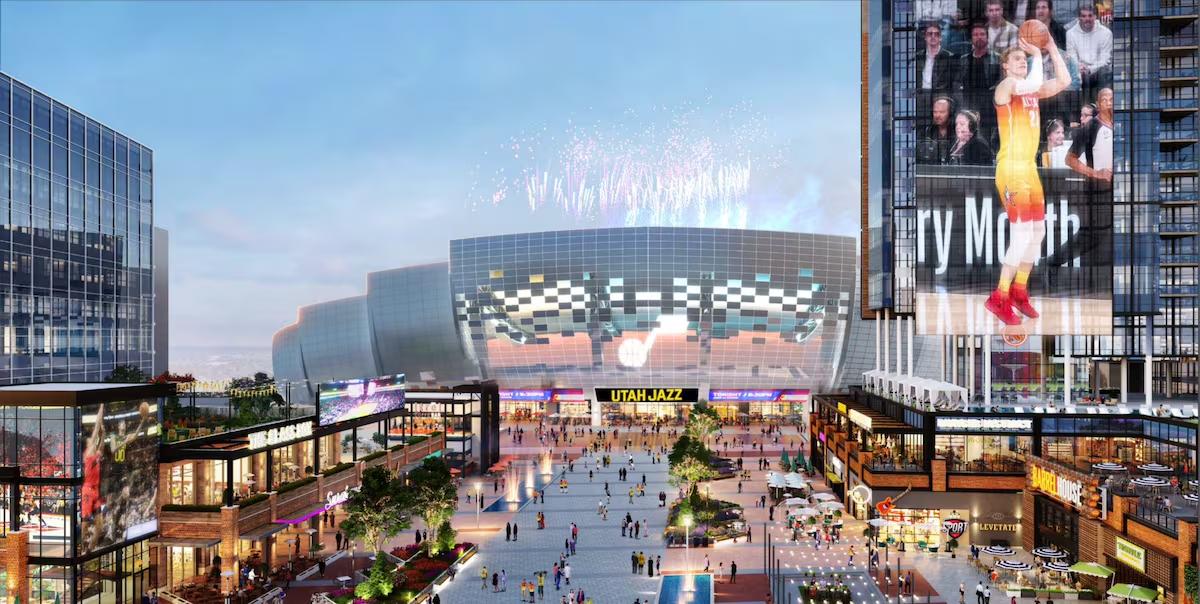
2) New Utah Jazz & Mammoth Practice Facility (Sandy)
SEG’s announcement of a new shared practice facility for the Utah Jazz and the Utah Mammoth marks a major step in establishing Sandy as a permanent professional sports hub. More than a team amenity, the facility reinforces long-term commitment to the market, supports year-round programming, and elevates the surrounding area’s profile. Investments like this signal “big-league” permanence—driving ancillary development, strengthening tourism and hospitality demand, and adding another layer of economic stability to the south valley. Read More Here.
Location: Sandy, within a growing multi-venue sports campus
Users: Utah Jazz (NBA) and Utah Mammoth (NHL)
Purpose: Dedicated training, practice, and performance facilities
Status: Announced and advancing through planning and development
Economic signal: Long-term franchise commitment and regional brand strength
Spillover impact: Increased hospitality, retail, and residential interest nearby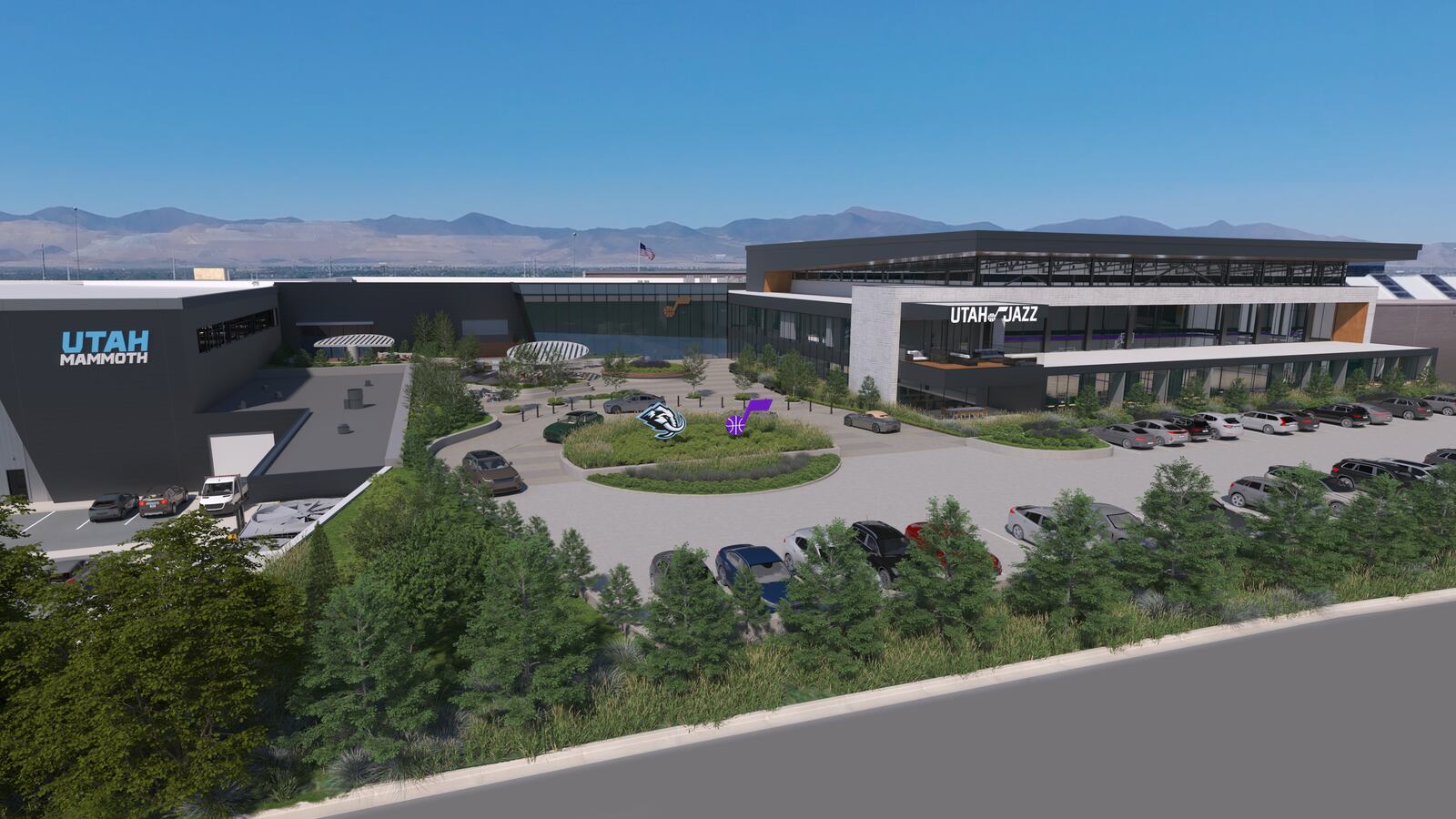
3) Deer Valley Resort expansion (25/26 season)
Deer Valley’s 2025/26 expansion represents one of the most significant resort investments in Utah in years, materially increasing the mountain’s scale, capacity, and long-term competitiveness. By adding new terrain, lifts, and skier access, the resort is positioning itself to handle higher visitation while supporting longer stays and higher-end destination travel. For real estate and investment markets, this expansion strengthens Deer Valley’s status as a premier resort and reinforces demand for nearby housing, hospitality, and second-home properties. Read More Here.
Season: Debuts for the 2025/26 ski season
Terrain added: ~3,700 acres of new skiable terrain
Total size: Expands Deer Valley to ~5,700+ total acres, among the largest ski resorts in North America
Lifts: 16 new lifts planned across expanded terrain
Capacity impact: Significant increase in skier capacity and improved mountain circulation
Visitor profile: Designed to support longer stays and higher-spend destination travel
Real estate effect: Strengthens long-term demand for nearby luxury housing, hotels, and resort services
Horizon: Multi-decade value creation tied to expanded resort footprint and global competitiveness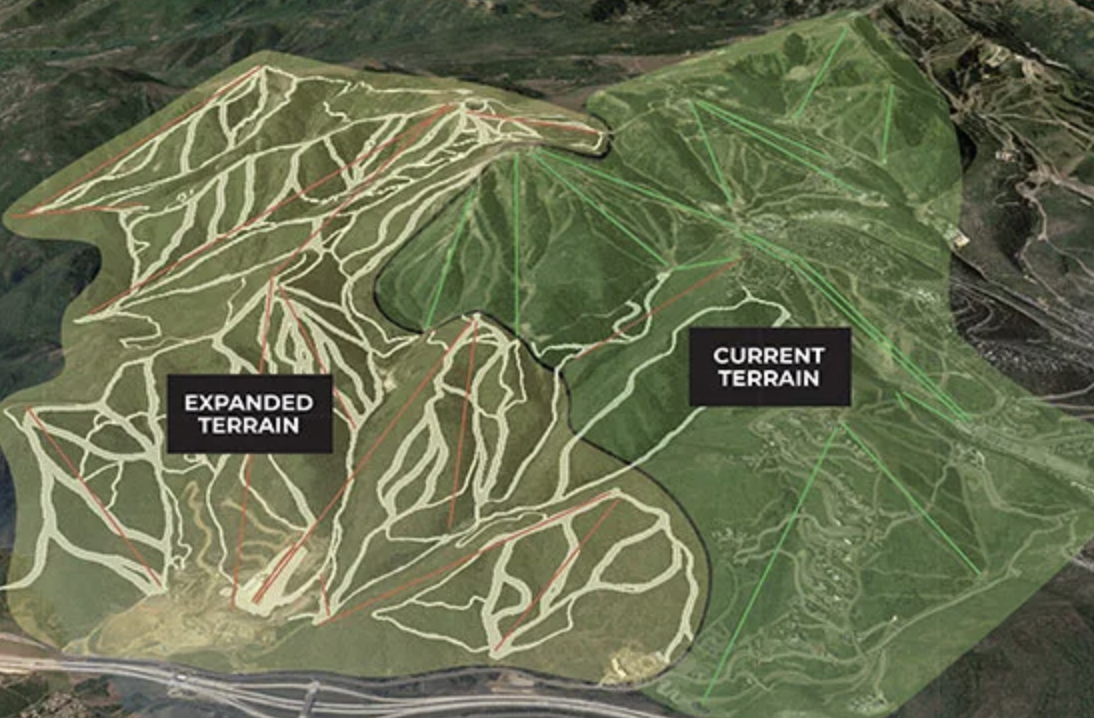
4) Final Sundance Film Festival in Utah (Jan 22–Feb 1, 2026)
The 2026 Sundance Film Festival will mark the final year the event is hosted in Park City before relocating to Boulder in 2027, making it a uniquely significant moment for Utah’s cultural and tourism landscape. This last local edition is expected to carry heightened demand, elevated pricing, and increased national attention as filmmakers, brands, and attendees treat it as both a premiere event and a farewell. The short-term economic impact will be concentrated, but the symbolic weight of this transition underscores a broader shift in Utah’s cultural footprint. Read More Here.
Dates: January 22 – February 1, 2026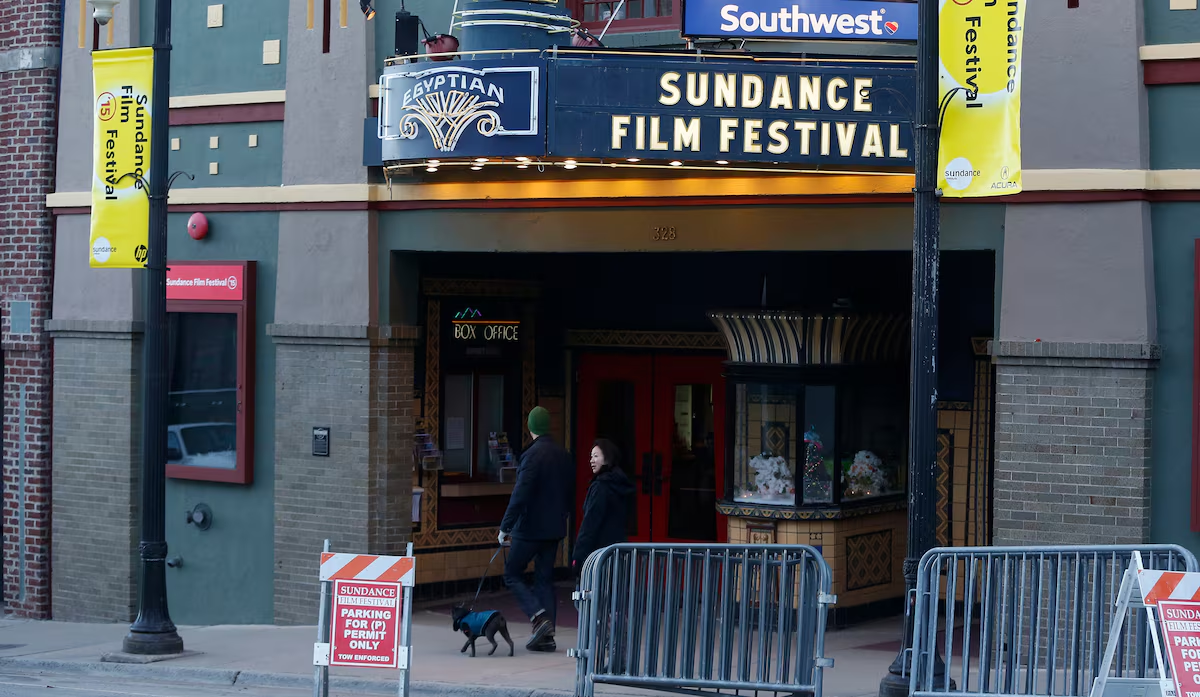
Travel
1) SLC Airport Phase 4
Salt Lake City International Airport’s rebuild enters its final major phase in 2026, completing a decade-long transformation into a modern Western hub. Phase 4 focuses on finishing Concourse B, expanding gate capacity, and adding concessions to support continued passenger growth. While much of the heavy construction wraps in 2025, the last wave of gates and amenities comes online in 2026—marking the functional completion of the new airport. Read More Here.
Total project cost: ~$5.1 billion (entire airport redevelopment)
Phase 4 gates: 22 total Phase 4 gates; final 11 gates opening fall 2026
Overall capacity: Nearly 100 total gates once Phase 4 is complete
Passenger volume: Designed to support 35+ million passengers annually
Amenities: Dozens of new restaurants, retail spaces, and premium lounges
Horizon: Full buildout completion targeted for October 2026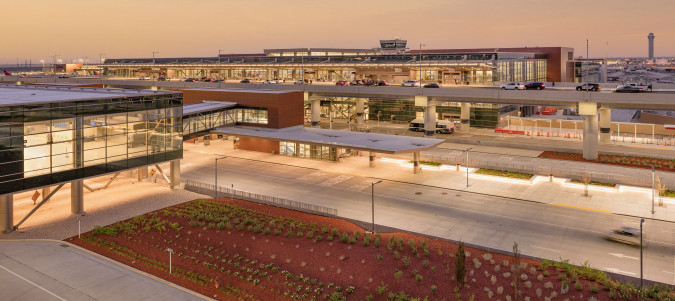
2) Provo Airport Expansion
Provo Airport is undergoing a multi-year expansion to meet surging demand in Utah County and relieve pressure on SLC. What began as a four-gate regional airport is being methodically scaled into a mid-size commercial facility with expanded apron space, terminal capacity, and long-term flexibility for additional carriers and routes. Read More Here.
Current gates: 4
Planned gates: Expansion to 10 total gates
Construction start: April 2025 (apron and enabling infrastructure)
Project cost: Estimated $150–200 million across phased buildout
Timeline: Staged additions through the late 2020s
Impact: Supports business travel, tourism, and population growth in Utah County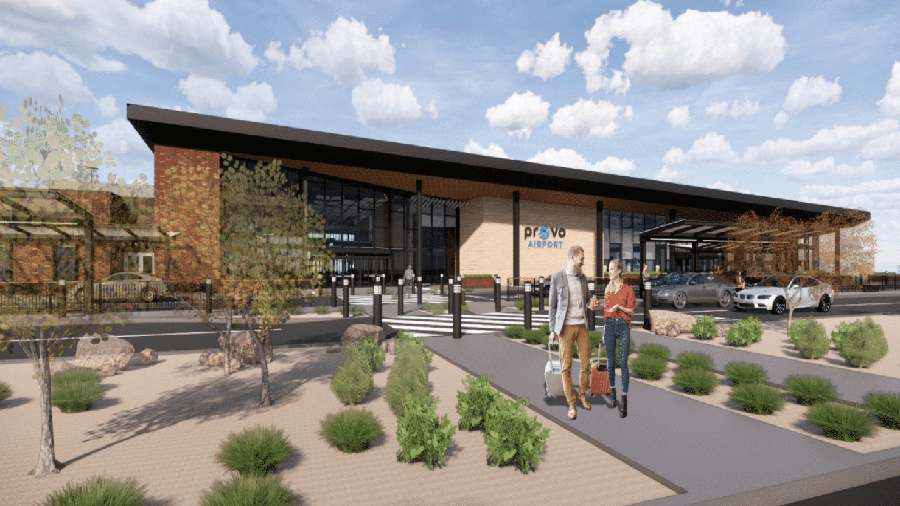
3) St. George Regional Airport Updates
St. George Regional Airport is positioning itself for the next phase of southern Utah growth with infrastructure that supports higher flight volume and expanded commercial service. The 2025 groundbreaking of a new control tower is a critical early step, improving safety and air traffic capacity while setting the stage for a significantly larger terminal in future phases. Read More Here.
New control tower: ~$30 million investment
Groundbreaking: 2025; construction underway
Current terminal size: ~40,000 sq. ft.
Future terminal concept: Expansion to ~120,000+ sq. ft. (long-range plan)
Service growth: Enables additional daily flights and new destinations
Regional role: Supports tourism, second-home demand, and business travel in southern Utah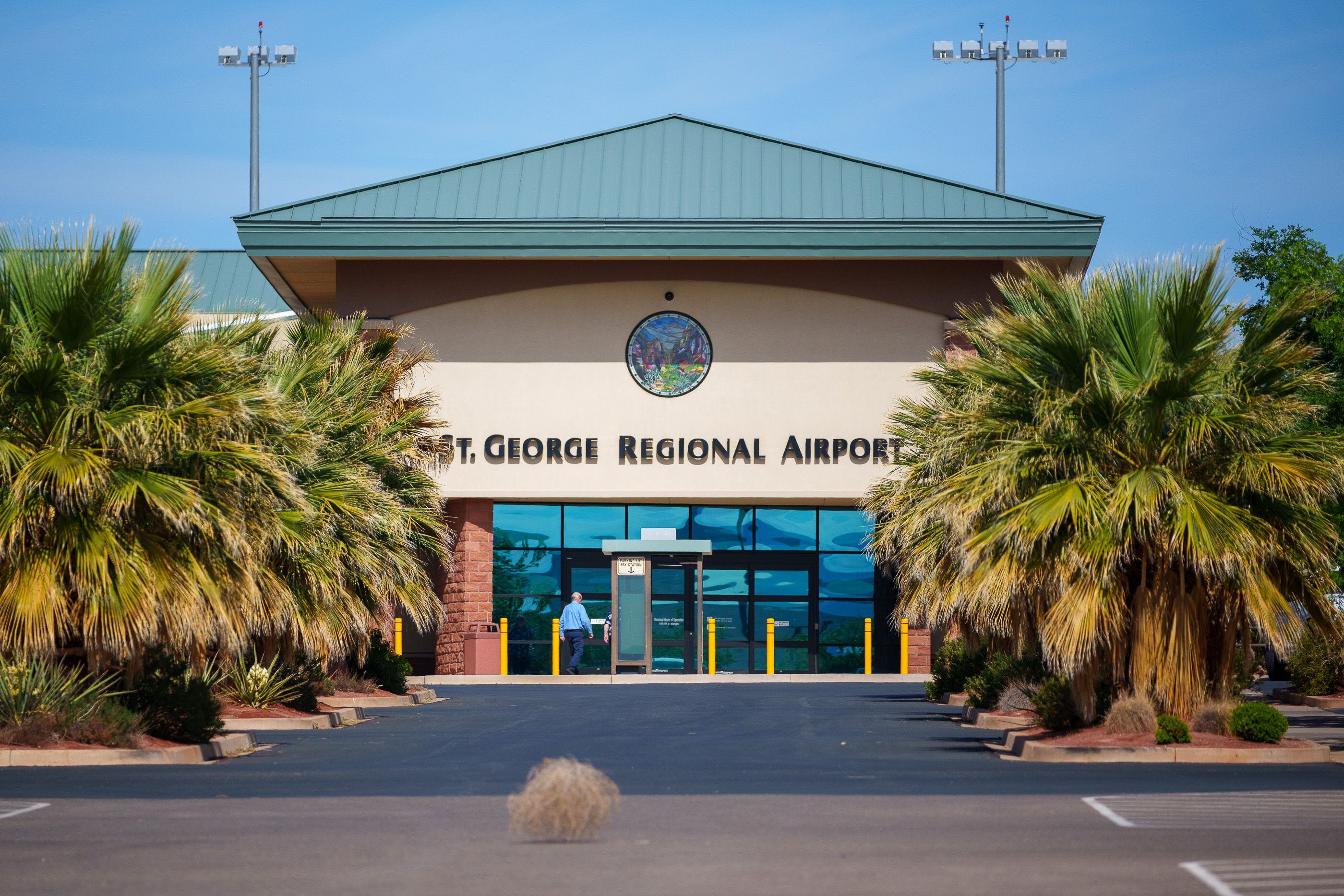
Infrastructure
1) TRAX “state of good repair” + TRAX Forward Modernization
UTA’s TRAX system is getting the unglamorous (but essential) upgrades that keep frequency and reliability from slipping—track work, power systems, and long-life maintenance tied to the broader TRAX Forward modernization effort. If you’re underwriting transit-adjacent demand, these projects matter because they protect service quality and reduce slowdowns that quietly erode ridership over time. Read More Here.
2) FrontRunner Expansion Momentum
FrontRunner’s long-term value proposition is frequency and reliability—and that requires adding double track in key segments. UTA’s 2026 budget priorities and reporting point to a project that includes additional double track and a new station in Bluffdale (starting late 2026, with multi-year construction). For Utah County and south Salt Lake growth, this is one of the most important “capacity unlocks” in the pipeline. Read More Here.
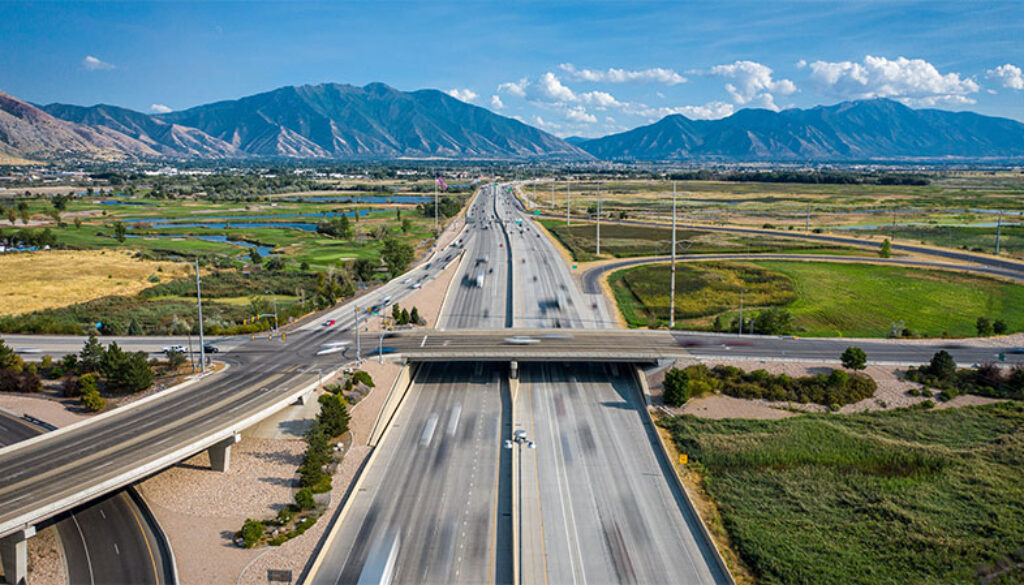
3) Mountain View Corridor Freeway Conversion
Mountain View Corridor is a defining growth spine for western Salt Lake and Utah counties. The “freeway conversion” concept is the step-change: fewer signals, more grade separation, and faster north-south travel that takes pressure off I-15 and local arterials. In practical terms, it expands the radius of “commutable” neighborhoods and reshapes where builders can deliver attainable product. Read More Here.
4) Midvalley Express (MVX) Bus Rapid Transit
Not all “infrastructure” is highways. MVX is a bus rapid transit line designed to behave more like rail—direct, frequent, and legible. UTA documents point to MVX opening in April 2026, connecting Murray Central to West Valley Central with major institutional and employment nodes along the way. That’s a meaningful accessibility upgrade for west-side housing and workforce movement. Read More Here.
5) Little Cottonwood Canyon Mobility & Traffic Strategy
Canyon access has become an economic issue—not just a recreation issue—because it affects reliability for workers, visitors, and resort-adjacent real estate. UDOT’s late-2025 update outlines an evolving set of strategies like expanded busing, parking changes, and congestion management tools. It’s a signal that “access management” is becoming a permanent part of Wasatch growth planning. Read More Here.
What This Means for Buyers, Sellers, and Investors in Utah
Buyers: 2026 is about access and optionality. Transit reliability, west-side corridor upgrades, and airport growth expand the set of neighborhoods that “work” for commuting and lifestyle—especially in Utah County and the southwest corridor. The practical win is more choice; the strategic win is getting ahead of the next wave of demand created by infrastructure completion.
Sellers: Large-scale placemaking (Downtown SLC district, The Point, Utah City) creates “narrative value”—the kind that helps listings stand out and supports price resilience even when the market normalizes. If you can credibly tie a property to mobility upgrades, employment anchors (like TI), or cultural gravity (sports district, Deer Valley/Sundance effects), you’re no longer just selling a house—you’re selling future convenience and relevance.
Investors: Utah’s story remains a compounding story. The biggest wins tend to cluster around (1) job engines (semiconductors/advanced industry), (2) mobility investments (transit + arterial/freeway conversions), and (3) quality-of-place upgrades (sports/entertainment districts, destination resort expansions). Underwrite with a long lens: these are multi-year catalysts that shape rent growth, absorption, and exit liquidity.