Published May 23, 2024
Here's What You Need to Know About Maintenance Costs
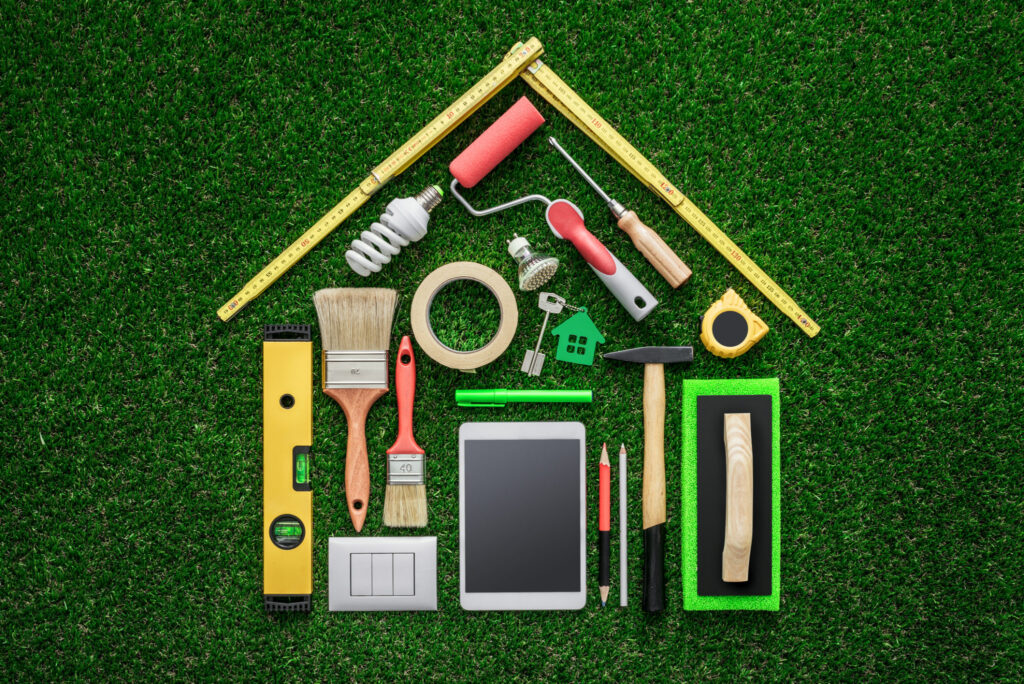
Owning a home is a significant milestone, but it also comes with its fair share of responsibilities and costs. One of the most pressing concerns for homeowners in Utah, and everywhere else, is the cost of home maintenance. While homeownership brings a sense of pride and stability, maintaining your home can sometimes feel overwhelming. Fear not! This blog post will guide you through understanding, planning, and managing home maintenance costs, ensuring your investment remains in excellent condition without breaking the bank.

Understanding Home Maintenance Costs
What Are Home Maintenance Costs?
Home maintenance costs include any expenses related to keeping your home in good working order. These can range from routine tasks like mowing the lawn and cleaning gutters to more significant projects like replacing a roof or updating plumbing systems. Understanding these costs is crucial for budgeting and ensuring your home remains a safe and comfortable place to live.
Why Are Home Maintenance Costs Important?
Proper maintenance not only keeps your home looking good but also prevents small issues from becoming expensive problems. Regular upkeep can extend the lifespan of various home systems and increase your property's value. Ignoring maintenance can lead to costly repairs and even decrease your home's market value.
Creating a Home Maintenance Budget and Schedule
How Much Should You Budget for Home Maintenance?
A common rule of thumb is to set aside 1% to 3% of your home's purchase price each year for maintenance. For a $300,000 home, this means budgeting $3,000 to $9,000 annually. This range accounts for both minor routine tasks and larger, unexpected repairs.
Monthly vs. Annual Budgeting
While setting an annual budget is essential, breaking it down into monthly allocations can make it more manageable. For instance, if your annual budget is $6,000, setting aside $500 each month can help ensure you have funds available when needed.
Tracking Your Expenses
Keeping track of your maintenance expenses can help you stay within budget and plan for future needs. Use a spreadsheet or home maintenance app to log costs, schedule regular tasks, and track upcoming projects.
Seasonal Maintenance Checklist
Creating a seasonal maintenance checklist is one of the best ways to stay on top of home upkeep. Different seasons bring different challenges, especially in Utah where the weather can vary significantly.
In spring, focus on cleaning gutters, checking your roof, and preparing your garden. Summer is perfect for exterior painting and inspecting your HVAC system. Fall is all about preparing for winter—cleaning chimneys, sealing windows, and servicing your heating system. Winter requires vigilance with snow removal, inspecting for ice dams, and keeping an eye on indoor air quality.
Monthly and Annual Tasks
In addition to seasonal tasks, some maintenance needs to be done monthly or annually. Monthly tasks might include checking HVAC filters, testing smoke alarms, and inspecting plumbing for leaks. Annually, consider having your HVAC system professionally serviced, cleaning out dryer vents, and inspecting the foundation for any signs of cracking. Here are some other things to keep in mind:
Addressing Urgent Repairs
Not all maintenance tasks can wait. Urgent repairs, such as fixing a leaky roof or addressing a plumbing issue, should take priority. Ignoring urgent repairs can lead to more significant damage and higher costs down the line.
Saving on Home Maintenance Costs
DIY vs. Hiring Professionals
- Knowing When to DIY
There are many home maintenance tasks that you can handle yourself, saving money in the process. Simple tasks like painting, minor plumbing repairs, and basic landscaping are often within the capabilities of most homeowners. DIY projects can be rewarding and cost-effective if done correctly.
- Hiring Professionals
However, knowing when to hire a professional is crucial. Electrical work, major plumbing issues, and structural repairs are best left to experts. Professionals have the experience, tools, and knowledge to handle these complex tasks safely and efficiently. While it may cost more upfront, it often saves money in the long run by avoiding mistakes that could lead to bigger problems.
Shopping for Deals
Buying materials during sales or off-season can reduce costs. Additionally, shopping around for quotes from multiple contractors can help you find the best price for larger projects.
Preventive Measures to Save Money
Investing in preventive measures, such as regular HVAC maintenance or pest control, can prevent costly repairs. For example, regularly servicing your HVAC system can prevent expensive breakdowns and extend its lifespan.

Home Maintenance Tips
- Dealing with Utah’s Weather
Utah's climate can be harsh, with hot summers and cold winters. This weather can take a toll on your home, making regular maintenance even more critical. Ensure your home is well-insulated, and consider using weather-resistant materials for roofing and siding.
- Water Conservation
Utah often experiences drought conditions, making water conservation essential. Installing low-flow fixtures, repairing leaks promptly, and xeriscaping your yard can save water and reduce utility bills.
- Pest Control
Utah's unique environment can attract pests like termites and rodents. Regular pest control can prevent infestations that cause significant damage to your home. Consider hiring a professional for regular inspections and treatments.
Tips for New Homeowners
- Understanding Your Home’s Systems
Take the time to learn about your home’s various systems, including HVAC, plumbing, and electrical. Knowing how these systems work can help you identify issues early and communicate effectively with professionals.
- Building a Maintenance Schedule
A maintenance schedule can help you keep track of tasks and ensure nothing is overlooked. Consider using a digital calendar or a home maintenance app to set reminders for regular upkeep.
- Get to Know Your Neighbors
Building a relationship with your neighbors can be beneficial. They can provide recommendations for local contractors, share maintenance tips, and even help keep an eye on your home when you're away.
- Invest in Quality Quality Materials
While it may be tempting to cut costs by choosing cheaper materials, investing in quality can save you money in the long run. High-quality materials often last longer and require less maintenance, providing better value over time.
- Upgrade Regularly
Regularly upgrading your home can improve its value and reduce maintenance costs. Consider energy-efficient appliances, durable flooring, and updated plumbing and electrical systems. These upgrades can enhance your home's functionality and appeal.
Conclusion
Home maintenance is a vital aspect of homeownership that requires careful planning and budgeting. By understanding the costs, prioritizing tasks, and investing in quality materials and services, you can keep your home in excellent condition without overspending. Remember, regular maintenance not only protects your investment but also ensures your home remains a safe and comfortable place to live.

Red Sign Team
Real Estate Team | Red Sign Team | KW Westfield
or another way