Published May 28, 2024
How Climate Risks Affect Your Next Home Purchase in Utah
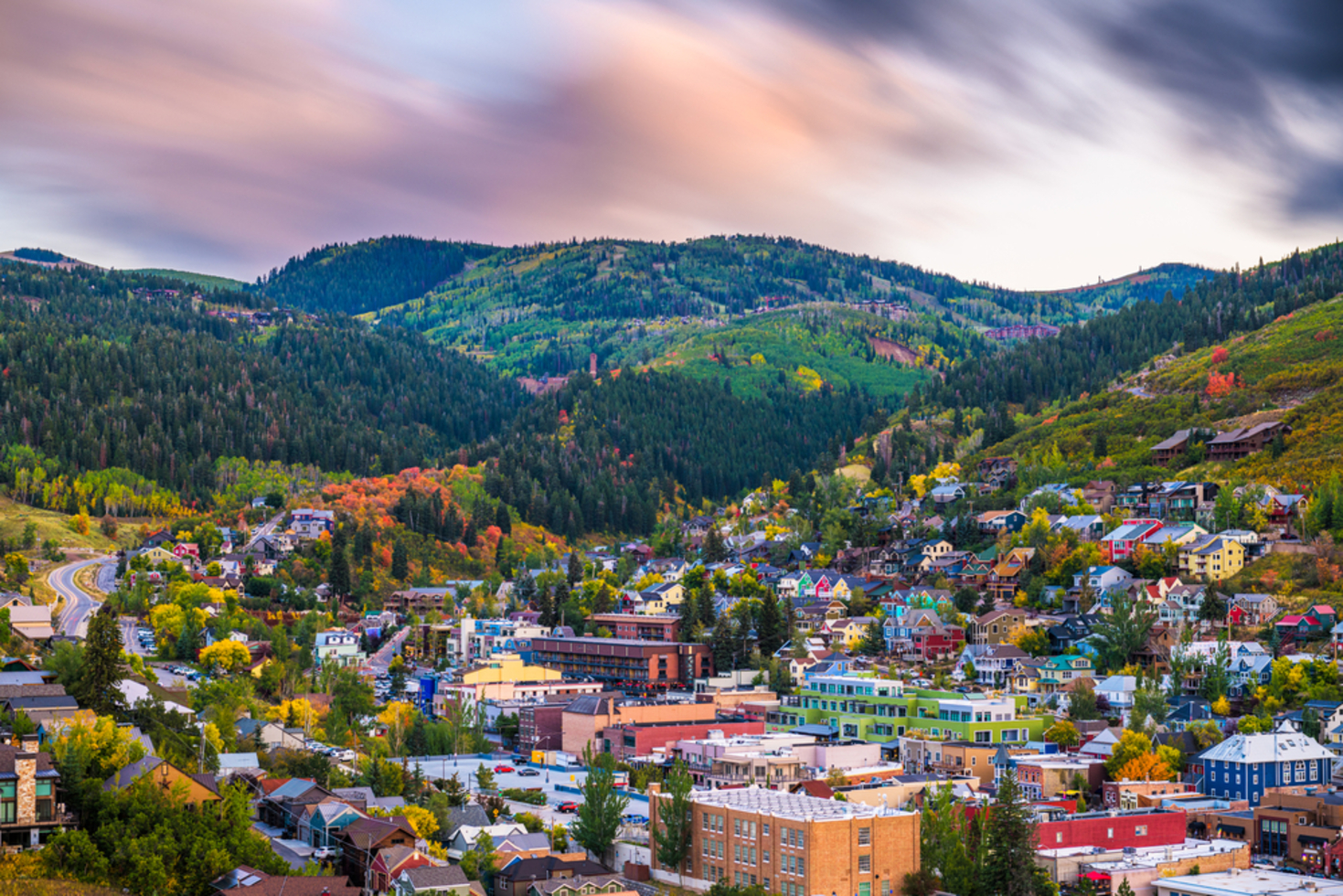
When you’re looking for a new home, there are countless factors to consider: location, price, schools, and amenities, just to name a few. However, one critical aspect that is becoming increasingly important is climate risk. Understanding how climate risks affect your next home is essential, especially in a beautiful yet diverse state like Utah.

What Are Climate Risks?
Climate risks refer to the potential negative impacts that climate change can have on properties and the environment. These can include extreme weather events, such as floods, droughts, wildfires, and more gradual changes like rising temperatures and sea levels.
Why Consider Climate Risks When Buying a Home?
Protecting Your Investment
Your home is likely one of your most significant investments. Climate risks can greatly affect the value of your property. For example, a home in a flood-prone area may lose value if floods become more frequent or severe. Potential buyers may be wary of purchasing a home in a high-risk area, leading to decreased marketability. Additionally, repairs and renovations after climate-related damage can be costly and may not always be covered by insurance.
Safety and Comfort
Living in an area prone to extreme weather can affect your quality of life. Whether it's dealing with smoke from wildfires or water damage from floods, understanding the risks can help you choose a home that will be safe and comfortable for you and your family. For instance, homes in wildfire-prone areas may face evacuation orders, leading to frequent disruptions. On the other hand, homes in drought-prone regions may face water restrictions that affect daily living.
Financial Implications
Climate risks can have significant financial implications beyond property value. Insurance premiums are often higher in areas with greater climate risks, such as flood zones or wildfire-prone regions. In some cases, certain types of insurance may be difficult or impossible to obtain. Higher maintenance and repair costs can also add up over time, impacting your overall budget and financial planning.
Legal and Regulatory Considerations
As awareness of climate risks grows, so do legal and regulatory requirements. In some areas, local governments are implementing stricter building codes and zoning laws to address climate change impacts. These regulations can affect everything from the type of materials you can use in construction to the placement of your home on the lot. Understanding these requirements before you buy can help you avoid costly compliance issues later on.
Long-Term Sustainability
Considering climate risks is also about planning for the long-term sustainability of your home. As climate change continues to evolve, areas that are currently low-risk may become more vulnerable over time. By choosing a home that is better equipped to handle climate risks now, you are making a decision that supports long-term sustainability and resilience. This forward-thinking approach can save you money and stress in the future.
Common Climate Risks in Utah
- Wildfires: Utah is no stranger to wildfires. The state’s dry, hot summers create perfect conditions for wildfires, which can threaten homes and communities.
- Drought: Utah is one of the driest states in the U.S. Drought conditions can impact water availability, which in turn can affect everything from your lawn to your home’s plumbing system.
- Flooding: While Utah is dry, certain areas are prone to flash floods, particularly during the spring when snowpack melts. Homes in these areas can suffer significant damage from sudden, heavy rains.

How to Assess Climate Risks for Your Next Home
Research Local Climate Data
Start by looking at historical weather data and future climate projections for the area you’re interested in. Websites like the National Oceanic and Atmospheric Administration (NOAA) and the Federal Emergency Management Agency (FEMA) provide valuable information.
Talk to Local Experts
Local real estate agents, such as The Red Sign Real Estate Team, can provide insights into specific neighborhoods and how they’ve been affected by climate-related events. They can also guide you to homes that are better prepared to handle these risks.
Check for Climate Resilience Features
When touring homes, look for features that make them more resilient to climate risks. This could include things like elevated foundations, fire-resistant landscaping, or rainwater harvesting systems.
Planning for the Future: Adapting to Climate Change
Sustainable Home Improvements
Making sustainable improvements to your home can help mitigate climate risks. This might include installing solar panels, using energy-efficient appliances, or improving insulation.
Community Involvement
Being part of a community that is proactive about climate resilience can also make a big difference. Look for neighborhoods with strong community organizations that advocate for infrastructure improvements and emergency preparedness.
Long-Term Considerations
Think about the long-term livability of the area. Consider how climate change might impact the region over the next 20-30 years. Will the area remain desirable and safe for you and your family?
FAQ: Frequently Asked Questions About Climate Risks and Home Buying
What Should I Look for in a Home to Mitigate Climate Risks?
Look for homes with features designed to handle local climate risks. In Utah, this might include fire-resistant roofing, drought-tolerant landscaping, and proper drainage systems to manage flash floods.
How Can I Find Out If a Property Is in a High-Risk Area?
Consult FEMA’s Flood Map Service Center and local government resources for information on flood zones. For wildfire risk, check resources from the Utah Division of Forestry, Fire & State Lands.
Are There Insurance Considerations for Homes in High-Risk Areas?
Yes, insurance rates can be higher for homes in areas prone to floods, wildfires, and other climate risks. It’s essential to factor in these costs when budgeting for your new home.
Conclusion
Understanding and addressing climate risks when buying a home in Utah is crucial. By doing your homework, seeking expert advice, and looking for resilient properties, you can make a smart, informed decision. At The Red Sign Real Estate Team, we’re here to help you navigate these considerations and find a home that’s perfect for you, both now and in the future.

Red Sign Team
Real Estate Team | Red Sign Team | KW Westfield
or another way