
Categories
Commercial & Land Development, Utah Real Estate Market TrendsPublished May 12, 2026
How Utah’s AI Data Center Boom Could Reshape Real Estate Demand


Utah’s real estate market has always been shaped by growth—population expansion, Silicon Slopes tech migration, and relentless housing demand along the Wasatch Front. But a new force is now reshaping the conversation in a way most buyers and investors are only beginning to understand: massive AI-driven data center development.
At the center of this shift is a controversial, large-scale project in Box Elder County backed by investor Kevin O’Leary. Spanning tens of thousands of acres, this proposed “Stratos” development has already sparked statewide debate over land use, water consumption, and energy demand.
What makes this different from typical commercial development is scale. This isn’t just another industrial park—it’s a multi-gigawatt AI infrastructure campus that could consume more electricity than the entire state of Utah.
And whether you support it or not, one thing is becoming clear: it will influence where Utah grows next.
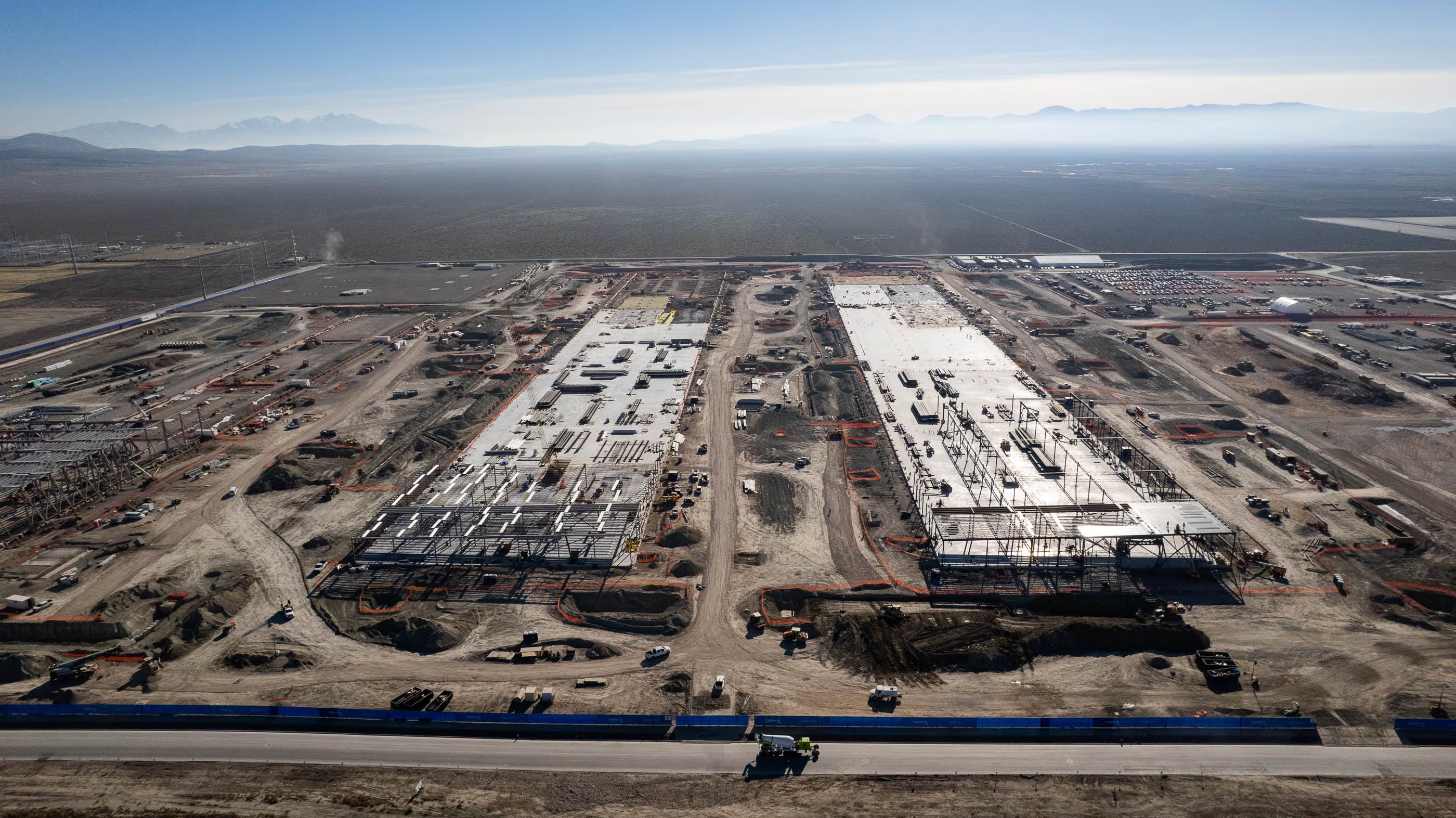
The Box Elder County Data Center
The most talked-about example of Utah’s data center boom is the proposed Box Elder County project tied to Kevin O’Leary and O’Leary Ventures.
According to reporting, the development spans roughly 40,000 acres across rural northern Utah and is designed as a hyperscale AI and computing campus. Early phases alone are expected to demand several gigawatts of power, with long-term projections reaching levels that rival or exceed statewide electricity consumption during peak demand periods.
This isn’t just a tech story—it’s a land use transformation story.
Local concerns have centered on three major issues:
- Water usage in a drought-sensitive region near the Great Salt Lake basin
- Energy strain and long-term grid sustainability
- Environmental and rural land preservation
At the same time, supporters argue the project could bring thousands of jobs, major tax revenue, and infrastructure investment into an area that has historically been underdeveloped.
The result is a rare real estate scenario: a single project capable of reshaping regional development patterns at scale.
Understanding AI Data Centers and Why They Drive Land Demand
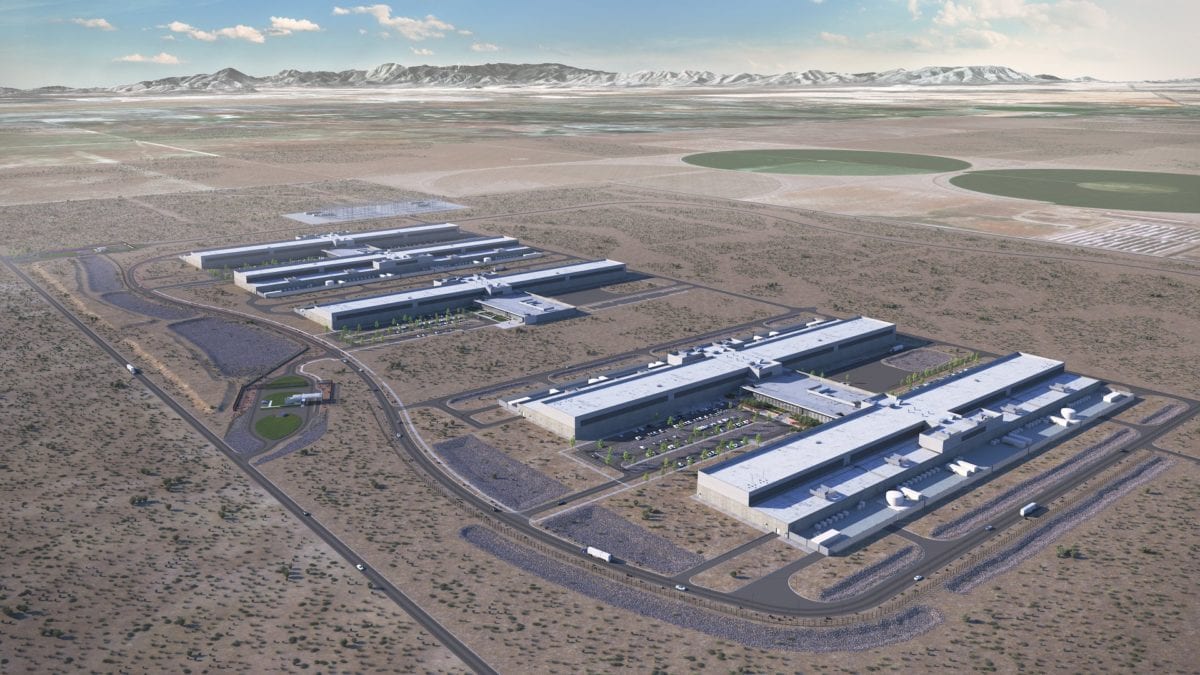
AI data centers are large-scale facilities designed to process and store massive amounts of digital information—especially for machine learning and cloud computing systems.
Unlike traditional commercial developments, they are not driven by population density. Instead, they are driven by:
- Power availability
- Land size and zoning flexibility
- Cooling and water infrastructure
- Proximity to fiber and transmission networks
In Utah’s case, rural counties like Box Elder are becoming strategic targets because they offer large land parcels with fewer zoning constraints compared to urban areas.
Why Utah is becoming a national hotspot
Utah sits in a unique position: stable geography, available land, and a growing tech ecosystem anchored by Silicon Slopes. But the real driver is infrastructure capacity—especially in areas outside dense metro regions where utility expansion is still possible.
As demand for AI computing explodes nationwide, states like Utah are being pulled into a new category of industrial-scale digital infrastructure hubs.
How the Box Elder Project Changes Utah’s Real Estate Map
The Box Elder County data center doesn’t just affect one region—it influences how developers, investors, and planners think about Utah land entirely.
First, it introduces massive competition for rural acreage. Land that might have previously been earmarked for residential expansion, agriculture, or logistics is now being evaluated for high-value industrial tech use.
Second, it shifts attention toward infrastructure-first development. In other words, land value is no longer just about location—it’s about whether power and water capacity can support industrial-scale demand.
Third, it creates ripple effects across surrounding counties. As utility corridors expand north and west of the Wasatch Front, secondary development pressure often follows.
This is how large infrastructure projects quietly reshape long-term housing growth patterns.
What This Means for Residential Real Estate in Utah
For residential buyers, the connection may not be immediately obvious—but it’s very real.
When major infrastructure projects enter a region, they often trigger:
- Utility upgrades (power lines, water systems, broadband expansion)
- Construction job influx during build phases
- Long-term employment tied to operations and maintenance
These factors can increase demand in nearby housing markets over time, particularly in commuter-adjacent communities.
However, there’s also a counterbalance. Large-scale data centers consume land and utilities without directly increasing population density, which can limit future residential expansion in surrounding zones.
The result is a more complex housing equation: growth potential remains strong, but it is increasingly uneven and infrastructure-dependent.
Investor Insight: Opportunity, Risk, and Timing
For real estate investors, Utah’s AI infrastructure expansion creates both opportunity and uncertainty.
On one hand, areas near utility expansion corridors and industrial zoning overlays may experience long-term appreciation as infrastructure investment increases land utility.
On the other hand, timing and zoning clarity matter more than ever. Not all rural land near development activity will benefit equally—especially if power access or environmental restrictions limit buildout potential.
Key mistakes to avoid
One of the biggest mistakes investors make is assuming proximity equals appreciation. In reality, infrastructure access—not just location—is becoming the primary value driver.
Another is underestimating regulatory and political timelines. Projects like Box Elder’s data center move in phases over years, not months, meaning market impact is gradual rather than immediate.
The Bigger Picture: Utah’s Shift Into Digital Infrastructure
The Box Elder County project is not an isolated event—it’s part of a broader transformation where Utah is positioning itself as a key player in national AI infrastructure.
This shift is redefining the state’s identity from a primarily residential-growth market into a hybrid ecosystem of:
- Tech infrastructure hubs
- Energy-intensive industrial zones
- Expanding suburban housing corridors
As these layers overlap, Utah real estate becomes increasingly segmented by function rather than just geography.
Some areas will grow rapidly due to infrastructure alignment, while others will remain residential-focused with slower but steadier appreciation.
Conclusion
Utah’s AI data center boom—anchored by major developments like the Box Elder County project—is fundamentally reshaping how land, energy, and housing interact across the state.
This is no longer just about tech growth or population migration. It’s about infrastructure determining where growth is even possible.
For buyers, sellers, and investors, the key takeaway is simple: Utah’s next phase of real estate growth will be defined less by demand alone and more by where the power, water, and land capacity can support it.

Red Sign Team
Real Estate Team | Red Sign Team | KW Westfield
or another way