
Categories
Luxury & Mountain Properties, Utah Real Estate Market TrendsPublished September 6, 2026
Inside Alta, Utah: The Tiny Mountain Town Where 540 Inches of Powder Meets $4 Million Price Tags

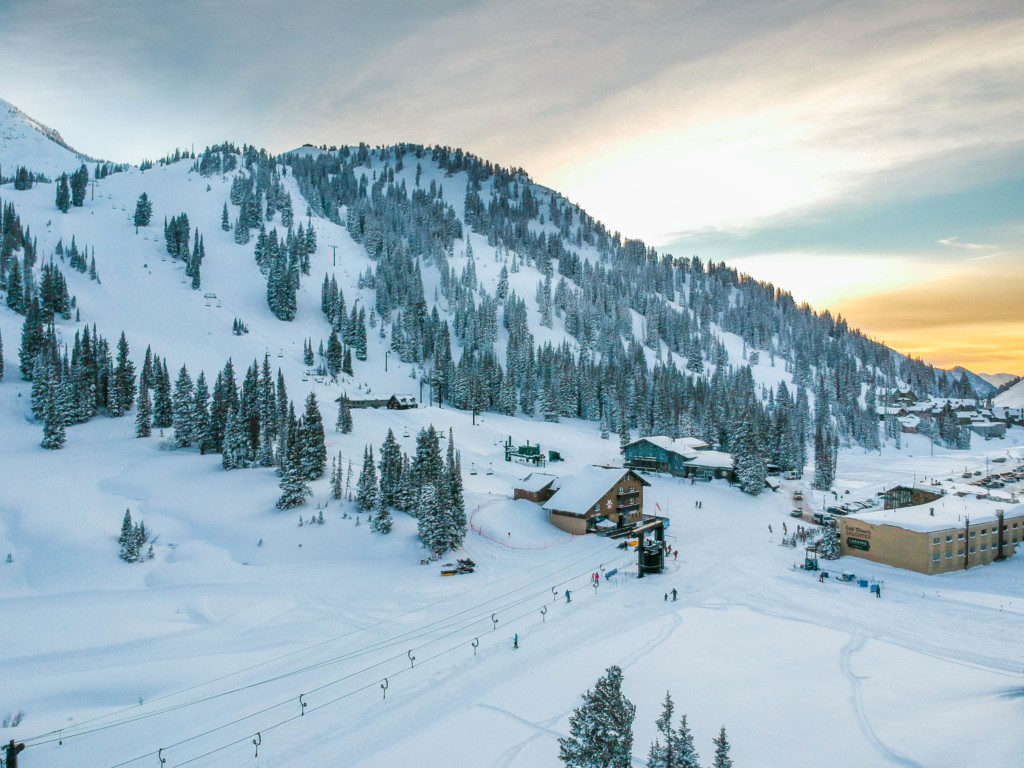
If you have ever driven up Little Cottonwood Canyon on a bluebird powder day, you already understand why Alta, Utah occupies a strange and rarefied place in the real estate world. It is a town of roughly 200 year round residents, 37 houses, and a couple of condo buildings, sitting at the top of one of the most famous ski terrains in North America. And yet in June, the entire town had exactly one home for sale. One.
That is not a typo, and it is not a fluke. It is Alta.
For Utahns who have watched Park City prices climb into the stratosphere and wondered where else in our mountains still holds that old school, ski bum meets old money mystique, Alta deserves a closer look. Here is what is actually happening in one of the most exclusive and least understood housing markets in the state.
A TOWN BUILT ON SCARCITY
Alta sits at the very end of Little Cottonwood Canyon, an eight mile box canyon with exactly one road in and one road out. That geography is not a minor detail. It is the entire story of why Alta real estate behaves nothing like anywhere else in Utah.
Between the steep terrain, avalanche paths, and water rights strictly controlled by Salt Lake City, there is almost no room left to build. The town's housing stock tops out at around 37 single family homes, a small handful of condo complexes, and a few scattered lots that might, someday, be buildable if they clear water and avalanche restrictions.
Compare that to seven years ago, when Alta had seven homes on the market with a median asking price of 1.59 million dollars. Today, that same market produced a single listing at 4.79 million dollars. Jim Williams, broker and owner of Williams Realty, put it about as plainly as it can be put: if you are looking in Alta, you had better like skiing, because that is the entire reason anyone is buying there.
WHY TRADITIONAL COMPS DO NOT WORK HERE
Ask any agent how to price a home and they will start with comparable sales. In Alta, that approach mostly falls apart. So few transactions happen each year that there simply are not enough comps to build a reliable picture.
Instead, value in Alta comes down to a different set of factors:
- Square footage
- Proximity to the nearest chairlift
- Mountain views
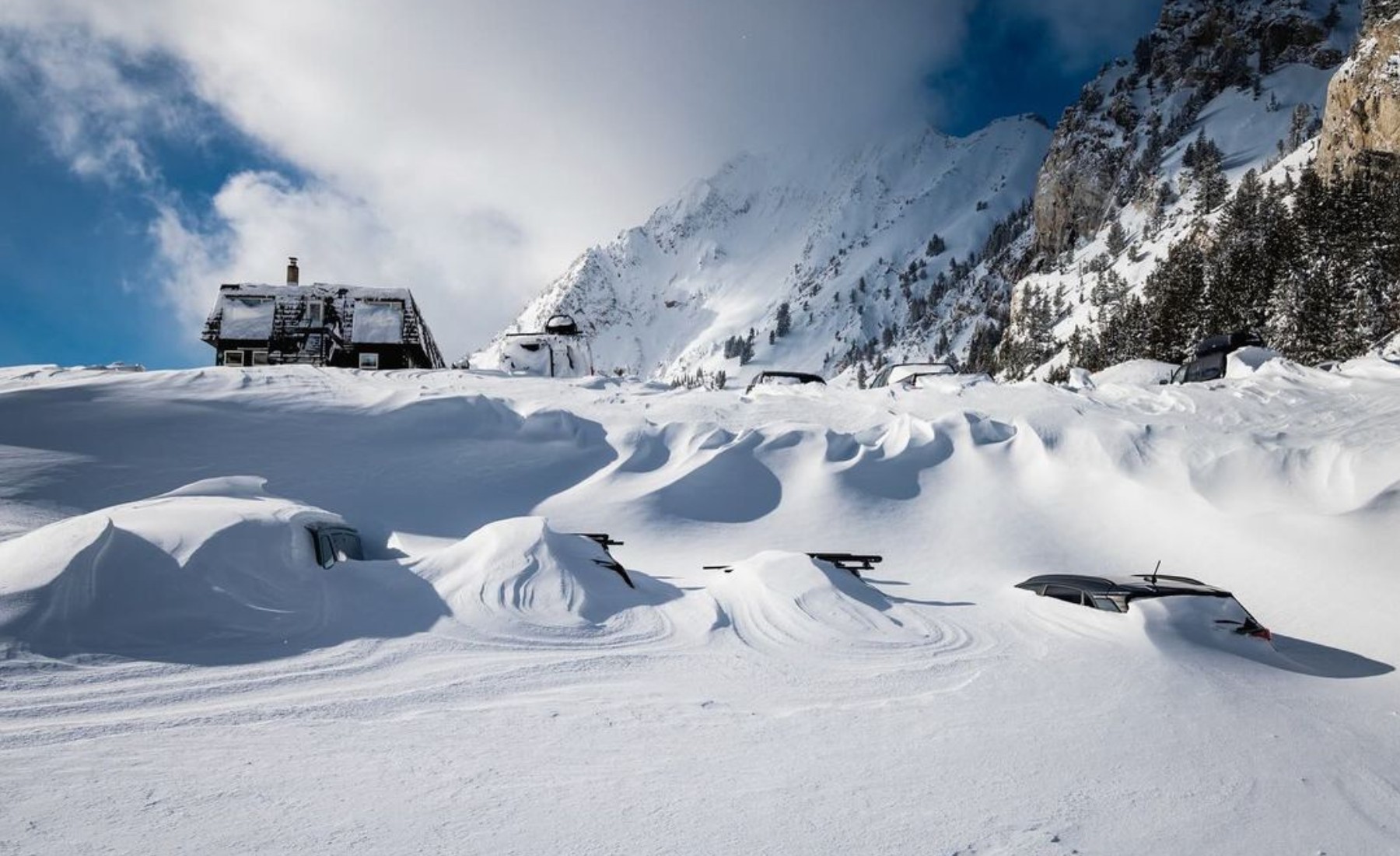
- Covered garage space for gear and equipment, which matters more than you would think in a place that gets buried in snow for half the year
Williams has even built a metric he calls the Powder Value Index, which measures price per square foot against average annual snowfall. By that math, Alta is actually something of a bargain compared to other elite ski towns. Buyers in Aspen pay around 10 dollars per inch of annual snowfall. In Alta, that number drops to 3 or 4 dollars per inch depending on how close a property sits to the lift. For a place that averages 540 inches a year, some of the deepest and driest snow in the country, that is a meaningful gap.
Because appraisers have so little to work with, deals in Alta are overwhelmingly cash. And when they are not, they get creative. Williams described sellers accepting partial payment at closing and carrying the rest of the balance at interest over a year or two, a kind of informal owner financing among buyers and sellers who all understand exactly what they are doing.
WHO IS ACTUALLY BUYING IN ALTA
The buyer pool breaks down roughly into three groups, and it says a lot about where Alta sits in the broader Utah luxury market.
The first group comes from coastal money centers like Los Angeles and New York, drawn by the terrain and the relative privacy compared to more crowded resort towns.
The second group is Salt Lake City residents looking for a cool weather escape. When the valley hits triple digits in July, a cabin thirty minutes up the canyon starts to look less like a luxury and more like a strategy.
The third group might be the most interesting for anyone tracking the broader Utah luxury market: buyers from Park City. Williams described clients who already own 30 to 50 million dollar homes in Park City's most exclusive developments, calling him looking for something smaller and quieter in Alta. As he put it, they already have the five star dinners and private chefs. What they want now is a getaway from their getaway.
That dynamic alone tells you something about where Alta sits in the hierarchy of Utah mountain real estate. It is not competing with Park City. It is the place Park City buyers go to get away from Park City.
THE PLACEHOLDER STRATEGY
Because inventory is so thin, patience has become a real estate strategy in its own right. Buyers who want a single family home but cannot find one will often purchase a condo first, just to establish a foothold in town while they wait years for the right house to come available.
Williams described one buyer who held a 1,750 square foot condo in Alta for more than six years before a 5,000 square foot home across the street finally came up for sale. The moment the neighbor signaled interest in selling, the deal was done.
Once buyers do secure a property, many rebuild extensively, favoring concrete, steel, and glass walls that lean into the alpine setting rather than fight it.
LIFE IN INTERLODGE
There is a piece of Alta life that only makes sense once you have experienced it, and it says everything about the trade-offs buyers are making here.
During major storms, Alta enacts what locals call interlodge, a mandatory shelter in place order that halts all outdoor movement while avalanche control work happens above town. Residents cannot leave their buildings until the all clear is given.
Rather than treating this as an inconvenience, longtime locals describe it almost fondly, as a built in pause button on the schedule. And when interlodge lifts, before the canyon road even reopens to the public, residents get first access to freshly stabilized, untouched powder right outside their front doors. Locals call it country club status, and more than one resident has compared the feeling to every holiday of the year happening at once.
It is a strange kind of luxury. Not marble countertops or infinity pools, but literally being first in line for the best snow in North America.
WHAT THIS MEANS IF YOU ARE WATCHING THE WASATCH BACK MARKET
Alta will never be a high volume market, and it is not trying to be. But its scarcity dynamics ripple outward in ways worth watching if you are paying attention to Wasatch Back and Cottonwood Canyon real estate more broadly.
The ongoing debate over the Little Cottonwood Canyon gondola is part of that picture. UDOT has continued moving forward on land purchases tied to the project even as litigation and public opposition drag on, and any resolution, whether the gondola gets built or the canyon shifts toward expanded bus service instead, will directly affect access, congestion, and ultimately property values throughout the canyon. For a market already this thin, changes to access and infrastructure carry outsized weight.
For agents and buyers working anywhere along the Cottonwood Canyons or in comparable mountain markets like Brighton, Solitude, or even parts of Park City, Alta is a useful case study in what happens when geography, water rights, and limited land collide with genuine, sustained demand. Scarcity does not just drive up price. It changes how deals get financed, how properties get valued, and how long buyers are willing to wait.
If you are exploring options in Utah's mountain communities, whether that is a starter cabin, a ski-in ski-out property, or a long-term investment in an area where inventory may only get tighter, the Red Sign team can walk you through what is realistic, what is available, and where the smart entry points still exist.
Thinking about buying or selling in Utah's mountain communities? Reach out to the Red Sign Real Estate Team to talk through your options.

Red Sign Team
Real Estate Team | Red Sign Team | KW Westfield
or another way