
Published October 24, 2023
Making the Right Choice: The Difference Between Renting and Buying a Home

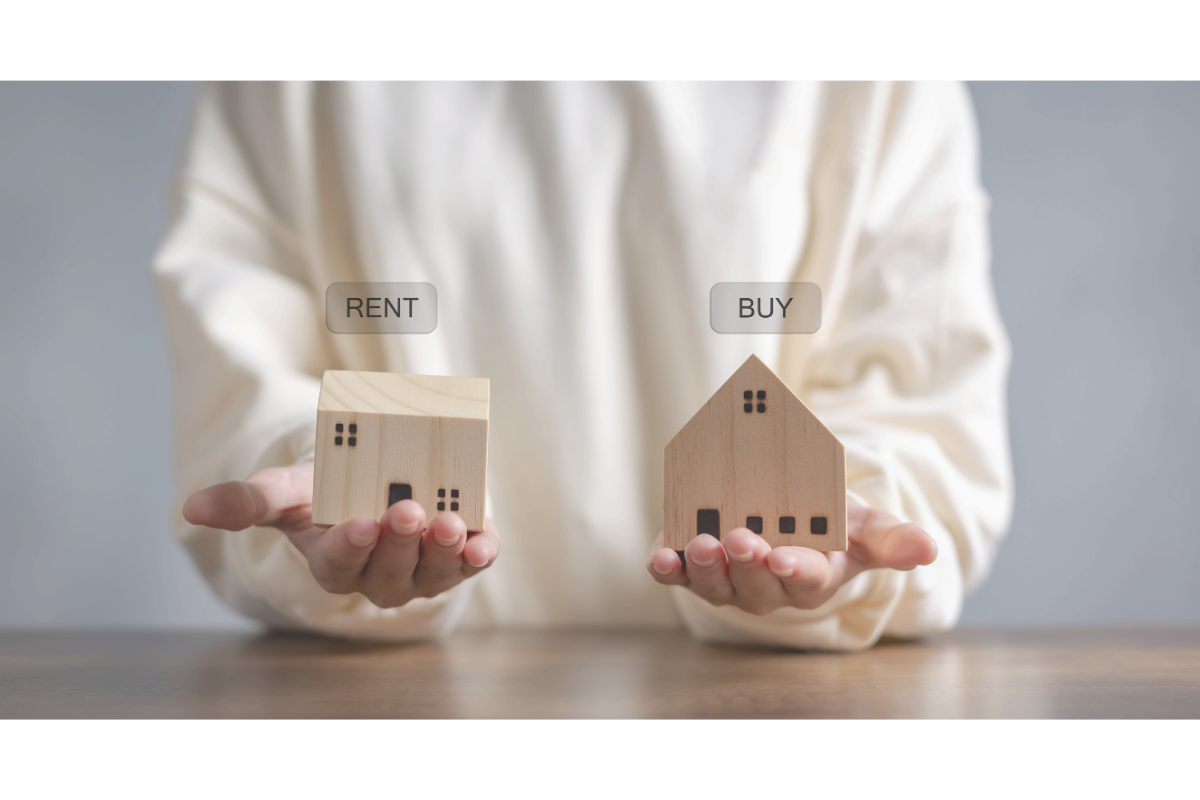
In today's real estate market, individuals and families often face a crucial decision: should they rent or buy a home? Both options come with their own set of advantages and drawbacks, and the choice can significantly impact your financial stability and long-term goals. In this blog post, we'll explore the differences between renting and buying a home to help you make an informed decision. Let's dive in!

1. Financial Considerations
Renting:
When you rent a home, your monthly housing costs are typically more predictable, as you pay a fixed rent amount. You don't have to worry about property taxes, homeowners insurance, or unexpected maintenance expenses. However, your rent payments don't build equity, and rent can increase over time.
Buying:
Buying a home allows you to build equity as you pay down your mortgage. You may also benefit from potential property appreciation, increasing the value of your investment. On the downside, homeownership comes with added costs like property taxes, maintenance, and mortgage interest. It's essential to have a good credit score and a substantial down payment to secure a favorable mortgage.
2. Flexibility vs. Stability
Renting:
Renting offers greater flexibility. You can easily move to a different location or downgrade to a smaller space if your circumstances change. This can be ideal for individuals who anticipate frequent relocations or are not yet ready to settle in one place.
Buying:
Homeownership provides stability and a sense of belonging. You have the freedom to personalize your space, and your home can appreciate in value over time. However, it can be challenging to move quickly or make changes without selling your property.
3. Monthly Costs
Renting:
Renting typically involves lower upfront costs and no need for a substantial down payment. You'll have fewer responsibilities for property maintenance and repairs. However, rent payments don't contribute to your long-term financial future.
Buying:
Buying a home involves a significant upfront investment, including a down payment, closing costs, and ongoing mortgage payments. You're responsible for property maintenance, which can vary in cost. Over time, homeownership can be more cost-effective, assuming the property appreciates.
4. Tax Benefits
Renting:
Renters do not benefit from tax deductions on their housing expenses. You can't deduct rent payments on your income taxes.
Buying:
Homeowners may qualify for tax deductions, including mortgage interest, property taxes, and certain closing costs. These deductions can reduce your taxable income, potentially saving you money.
5. Long-term Considerations
Renting:
Renting can be a suitable short-term solution, especially if you're not yet ready for the commitment of homeownership. However, it's crucial to consider the long-term impact on your finances and wealth accumulation.
Buying:
Buying a home is a long-term investment that can lead to financial security and the opportunity to build wealth over time. It's essential to assess your long-term goals and financial stability before committing to homeownership.
Conclusion
The decision to rent or buy a home is a significant one, with various financial, personal, and lifestyle factors to consider. The right choice depends on your individual circumstances and long-term objectives. It's essential to weigh the pros and cons carefully and seek guidance from real estate professionals to make an informed decision that aligns with your financial goals.
By understanding the differences between renting and buying a home, you can navigate the real estate market more effectively and secure a housing solution that suits your unique needs.

Red Sign Team
Real Estate Team | Red Sign Team | KW Westfield
or another way