Published May 14, 2026
Salt Lake City Just Invested $6.4 Million in Affordable Homeownership — Here's What It Means for Utah Buyers

CLICK HERE TO MESSAGE US TO SEE IF YOU QUALIFY FOR THIS GRANT
Salt Lake City has long been one of the most competitive real estate markets in the country. Prices climbed, inventory stayed tight, and the path to homeownership got longer for a lot of Utah families. But a significant shift is underway.
The Salt Lake City Community Reinvestment Agency recently approved nearly $6.4 million in funding specifically aimed at expanding affordable homeownership for low to moderate income households. This is not a rental subsidy program. This is about helping people own homes and that distinction matters.
What Was Just Approved
Two projects received funding through this initiative.
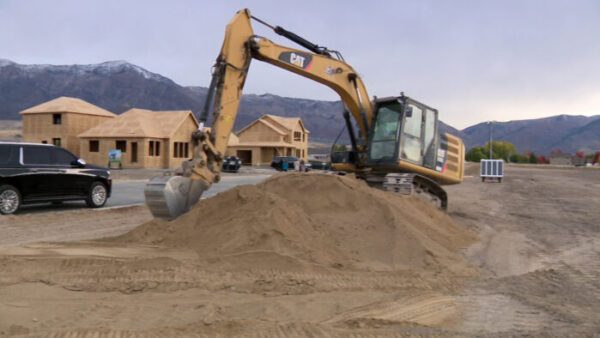
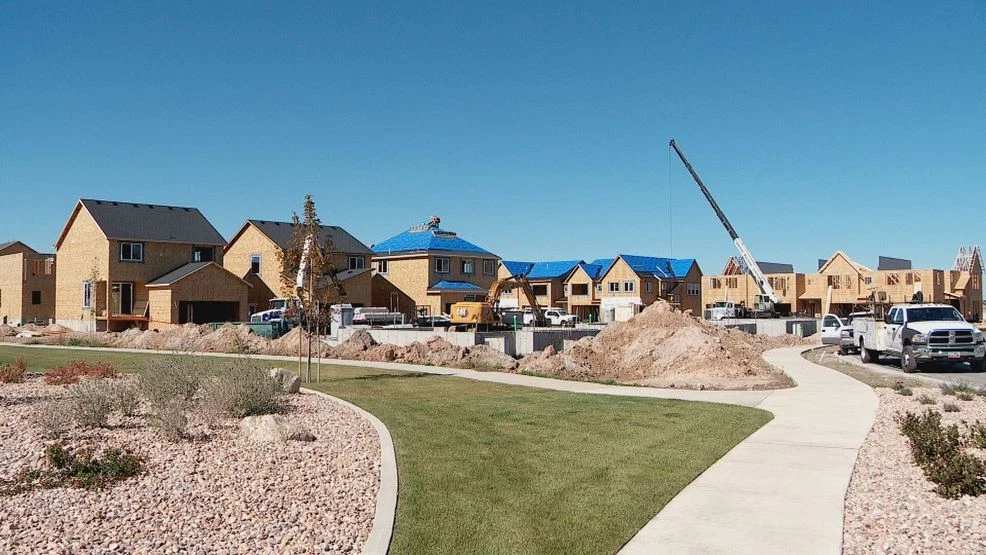
Gladhouse 3 will be built at 1084 W. 1700 South. It will create eight affordable single-family homes for households earning at or below 80% of the Area Median Income.
Brix on Tenth will be located at 1549 S. 1000 West, delivering 23 deed-restricted townhomes for households earning between 80% and 100% of the Area Median Income.
Together, that is 31 new owner-occupied homes in Salt Lake City — each deed-restricted to keep them affordable for years to come.
Why This Matters Beyond the Numbers
These two projects are part of a broader conversation Salt Lake City has been forced to have with itself. According to Browne Sebright, project manager with the Community Reinvestment Agency, Salt Lake is now a majority-renters city, and the barriers for renters to build wealth, buy homes, and prepare financially for their future have been increasing.
That is a striking shift for a state that has historically ranked among the highest in homeownership rates nationally. When renters outnumber owners in your state's largest city, the economic ripple effects reach far beyond Salt Lake County.
Salt Lake City Council member Erika Carlsen put it plainly: "We have a housing shortage and there's a housing crisis. And that demands that we tackle this from all different angles."
What "Area Median Income" Actually Means for Utah Families
AMI is a number HUD calculates annually by household size for each metro area. For the Salt Lake City metro, 80% AMI for a family of four currently falls around $75,000 to $80,000 annually. That covers a wide range of working Utah families — teachers, nurses, tradespeople, young professionals, and first-generation buyers who have been priced out of the traditional market.
The deed-restricted structure used in both projects means these homes stay affordable through future resales too. It is not a one-generation fix. It is a compounding community asset.
What First-Time Buyers in Utah Should Know Right Now
If you are currently renting and wondering whether homeownership is realistic for you, the answer is often more achievable than it looks. Programs like these are specifically designed for buyers who assume they do not qualify.
Here is what we tell every first-time buyer who comes through our door:
- Get pre-approved before you fall in love with a home. Knowing your real number changes everything about how you search.
- Ask about down payment assistance programs. Utah has several active programs that stack well with affordable housing initiatives like these.
- Understand the difference between a deed-restricted home and a traditional purchase. There are resale caps to know about — not a dealbreaker, but something to evaluate with an agent who knows the details.
- Move early in a program like this. Affordable housing inventory moves fast. Waitlists are real.
The Bigger Picture for Utah's Housing Market
The Community Reinvestment Agency released this funding opportunity in October 2025, and the two approved projects represent competitive selections from what was likely a larger pool of proposals. The fact that SLC is directing reinvestment dollars specifically toward ownership — not just rental units — signals a meaningful policy priority.
For the broader Utah market, programs like this add stability. When more households can build equity, neighborhoods strengthen, local economies diversify, and the pressure on workforce housing eases over time.
Utah's housing crisis is not solved by 31 homes. But 31 families who move from renting to owning this year will build wealth, stabilize their housing costs, and invest in their communities in ways that compound for decades.
That is how markets heal.