Published June 24, 2026
Salt Lake City Short-Term Rental Rules 2026: Everything Hosts Need to Know
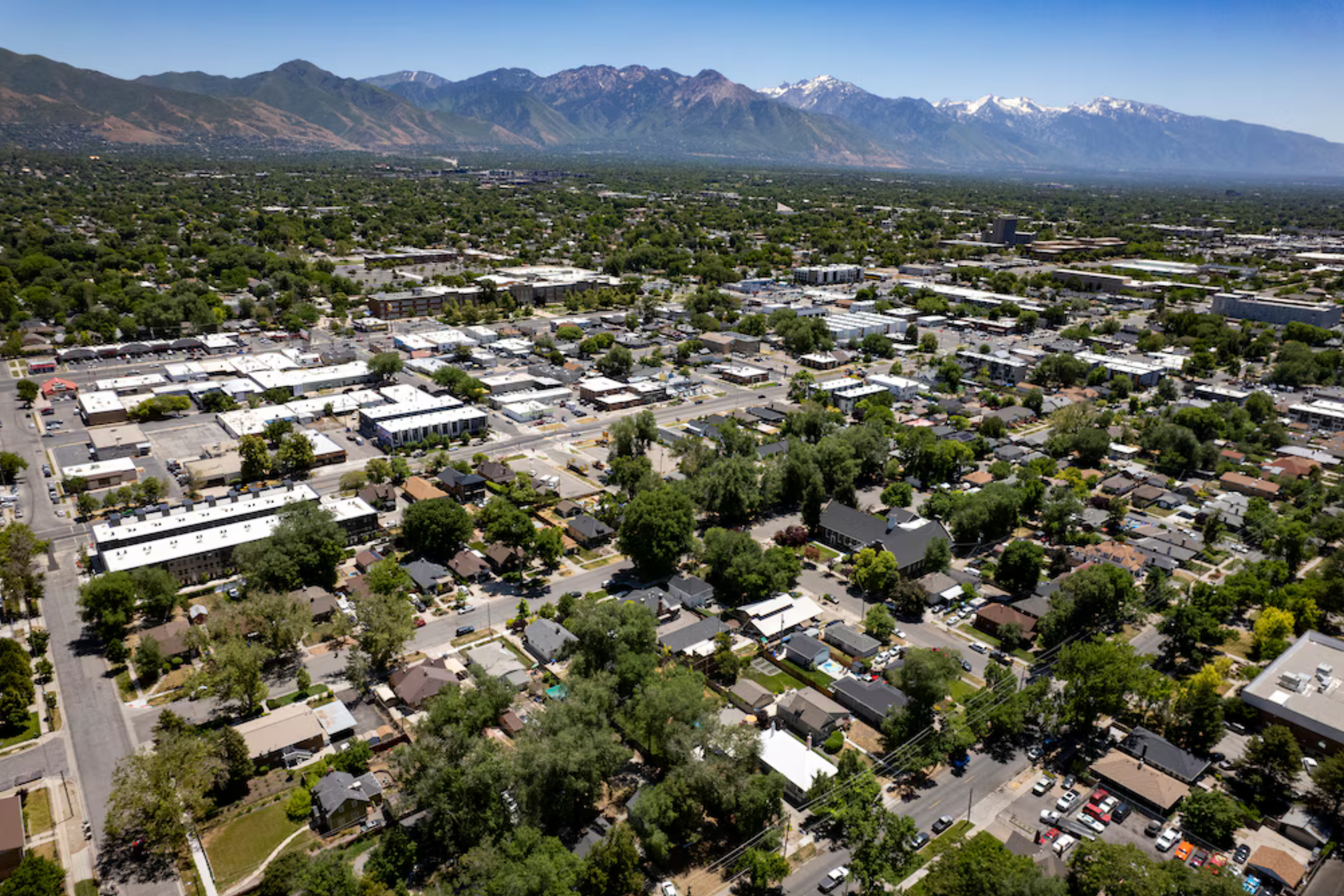
Quick Overview: Salt Lake City now requires all short-term rental (STR) properties — including Airbnb and Vrbo listings — to obtain a city business license effective July 1, 2026. Key rules include a 2-night minimum stay, a 200-night annual cap, mandatory off-street parking, and fees starting at $540 per unit.
The ordinance took effect July 1, 2026, and is enforced by Salt Lake City's finance and planning departments, with support from two civil enforcement officers dedicated specifically to STR compliance.
License Fees:
1. Minimum 2-Night Stay One-night rentals are now prohibited. According to Arturo Garcia, Salt Lake City's director of finance operations, single-night stays were linked to "party-type stays" and excessive noise complaints from neighbors.
2. 200-Night Annual Cap Hosts may not rent their property for more than 200 nights per calendar year. This rule is designed to prevent residential homes from functioning as full-time hotels and to preserve housing availability in the city.
3. Off-Street Parking Required At least one off-street parking stall must be available for guests at the time of listing and rental.
4. Occupancy Limits Enforced by Code Guest occupancy is capped according to fire and building codes — not simply by host preference.
5. One License Per Property (with exceptions) Only one STR license is allowed per property for buildings with 10 or fewer units. In buildings with more than 10 dwelling units, a maximum of 10% of units may be licensed for short-term rental.
Permitted zones include:
The dual goals of regulation are:
Q: How much does a Salt Lake City short-term rental license cost? The base fee is $198, plus a $342 per-unit fee, bringing the minimum annual cost to $540 per unit.
Q: Can I rent my home for just one night in Salt Lake City? No. The 2026 ordinance requires a minimum stay of two consecutive nights for all licensed short-term rentals.
Q: How many nights per year can I rent my property in Salt Lake City? Hosts are capped at 200 rental nights per year. This limit is intended to prevent residential properties from operating as full-time hotels.
Q: Can I run an Airbnb in a residential neighborhood in Salt Lake City? Generally, no. Short-term rentals are prohibited in most residentially zoned areas, including single-family and multifamily districts, much of the east bench, Sugar House, Rose Park, and Jordan Meadows. They are permitted in mixed-use zones and along major transit corridors.
Q: What happens if I get three violations under the new SLC short-term rental rules? Three verified violations within a 12-month period will result in a license suspension. Three consecutive suspensions can lead to revocation of your short-term rental license for up to three years.
Q: Does my rental need to pass an inspection to get a license? Yes. License applicants must complete a safety checklist to ensure compliance with fire and building codes, and must agree to allow city inspections of the property.
Q: Do Salt Lake City short-term rental rules apply to basement apartments or ADUs? The licensing rules apply to any unit rented for fewer than 30 days. However, accessory dwelling units (ADUs) approved under recent city policy generally require owner-occupancy in either the ADU or primary residence, which effectively limits their use as short-term rentals.
Q: How does Salt Lake City enforce short-term rental rules? The city employs two civil enforcement officers dedicated to STR compliance. Violations are primarily investigated based on complaints filed by neighbors through the mySLC app.
Q: Who do I contact if my neighbor is running an illegal short-term rental in SLC? You can report suspected unlicensed short-term rentals through the mySLC app, available from Salt Lake City's official website.
What Are the New Salt Lake City Short-Term Rental Rules?
Salt Lake City's City Council adopted a formal short-term rental licensing ordinance as part of its 2026–2027 budget, marking the city's first structured regulatory framework for platforms like Airbnb, Vrbo, and similar services. The rules apply to any property rented for fewer than 30 days — whether that's an entire home or a single room.The ordinance took effect July 1, 2026, and is enforced by Salt Lake City's finance and planning departments, with support from two civil enforcement officers dedicated specifically to STR compliance.
Salt Lake City Short-Term Rental License: Costs and Requirements
To legally operate a short-term rental in Salt Lake City, property owners must obtain a city business license. Here are the specifics:License Fees:
- Base fee: $198
- Per-unit fee: $342
- Total minimum cost: $540 per unit, per year
- Licenses require annual renewal
- Unit must pass a fire and building safety checklist
- Owner must agree to allow property inspections
- A 24/7 local emergency contact must be designated — someone based in Salt Lake County who can arrive on-site within two hours
- Contact info for that emergency responder must be included in the license application
Key Rules for SLC Short-Term Rental Hosts in 2026
These are the operational rules every Salt Lake City Airbnb or Vrbo host must follow:1. Minimum 2-Night Stay One-night rentals are now prohibited. According to Arturo Garcia, Salt Lake City's director of finance operations, single-night stays were linked to "party-type stays" and excessive noise complaints from neighbors.
2. 200-Night Annual Cap Hosts may not rent their property for more than 200 nights per calendar year. This rule is designed to prevent residential homes from functioning as full-time hotels and to preserve housing availability in the city.
3. Off-Street Parking Required At least one off-street parking stall must be available for guests at the time of listing and rental.
4. Occupancy Limits Enforced by Code Guest occupancy is capped according to fire and building codes — not simply by host preference.
5. One License Per Property (with exceptions) Only one STR license is allowed per property for buildings with 10 or fewer units. In buildings with more than 10 dwelling units, a maximum of 10% of units may be licensed for short-term rental.
Where Are Short-Term Rentals Allowed in Salt Lake City?
The 2026 ordinance does not change the zoning map for where STRs are permitted — but the new licensing system will now actively enforce those boundaries.Permitted zones include:
- Downtown Salt Lake City
- Central City
- The Granary District
- Transit corridors and major arterials
- Mixed-use zoning districts
- Single-family and multifamily residential districts
- East bench and Wasatch foothills neighborhoods
- Most of Sugar House
- West-side neighborhoods: Rose Park, Jordan Meadows, and parts of Poplar Grove
Penalties for Non-Compliance
Operating an unlicensed short-term rental in Salt Lake City carries serious financial and operational consequences:- Fines: Up to $1,000 every seven days for unlicensed operation
- License Suspension: Three verified violations within a 12-month period trigger suspension
- License Revocation: Three consecutive suspensions can result in revocation for up to three years
Why Salt Lake City Is Regulating Short-Term Rentals
Salt Lake City joins a nationwide trend of municipalities implementing STR licensing frameworks. City Planning Director Nick Norris noted that many high-tourism cities are adopting similar programs due to "the sheer number of them and the amount of resources that have to go to enforcement."The dual goals of regulation are:
- Quality-of-life protection for residents — reducing noise, parking congestion, and party houses
- Revenue capture — licensing fees and lodging taxes provide a direct funding stream for city services
FAQ: Salt Lake City Short-Term Rental Rules 2026
Q: Do I need a license to list my home on Airbnb in Salt Lake City? Yes. As of July 1, 2026, all short-term rentals in Salt Lake City — including Airbnb and Vrbo listings — require a city business license. Renting without one can result in fines of up to $1,000 every seven days.Q: How much does a Salt Lake City short-term rental license cost? The base fee is $198, plus a $342 per-unit fee, bringing the minimum annual cost to $540 per unit.
Q: Can I rent my home for just one night in Salt Lake City? No. The 2026 ordinance requires a minimum stay of two consecutive nights for all licensed short-term rentals.
Q: How many nights per year can I rent my property in Salt Lake City? Hosts are capped at 200 rental nights per year. This limit is intended to prevent residential properties from operating as full-time hotels.
Q: Can I run an Airbnb in a residential neighborhood in Salt Lake City? Generally, no. Short-term rentals are prohibited in most residentially zoned areas, including single-family and multifamily districts, much of the east bench, Sugar House, Rose Park, and Jordan Meadows. They are permitted in mixed-use zones and along major transit corridors.
Q: What happens if I get three violations under the new SLC short-term rental rules? Three verified violations within a 12-month period will result in a license suspension. Three consecutive suspensions can lead to revocation of your short-term rental license for up to three years.
Q: Does my rental need to pass an inspection to get a license? Yes. License applicants must complete a safety checklist to ensure compliance with fire and building codes, and must agree to allow city inspections of the property.
Q: Do Salt Lake City short-term rental rules apply to basement apartments or ADUs? The licensing rules apply to any unit rented for fewer than 30 days. However, accessory dwelling units (ADUs) approved under recent city policy generally require owner-occupancy in either the ADU or primary residence, which effectively limits their use as short-term rentals.
Q: How does Salt Lake City enforce short-term rental rules? The city employs two civil enforcement officers dedicated to STR compliance. Violations are primarily investigated based on complaints filed by neighbors through the mySLC app.
Q: Who do I contact if my neighbor is running an illegal short-term rental in SLC? You can report suspected unlicensed short-term rentals through the mySLC app, available from Salt Lake City's official website.