
Published July 25, 2024
Salt Lake City to Host 2034 Winter Olympics: A Historic Win for Utah

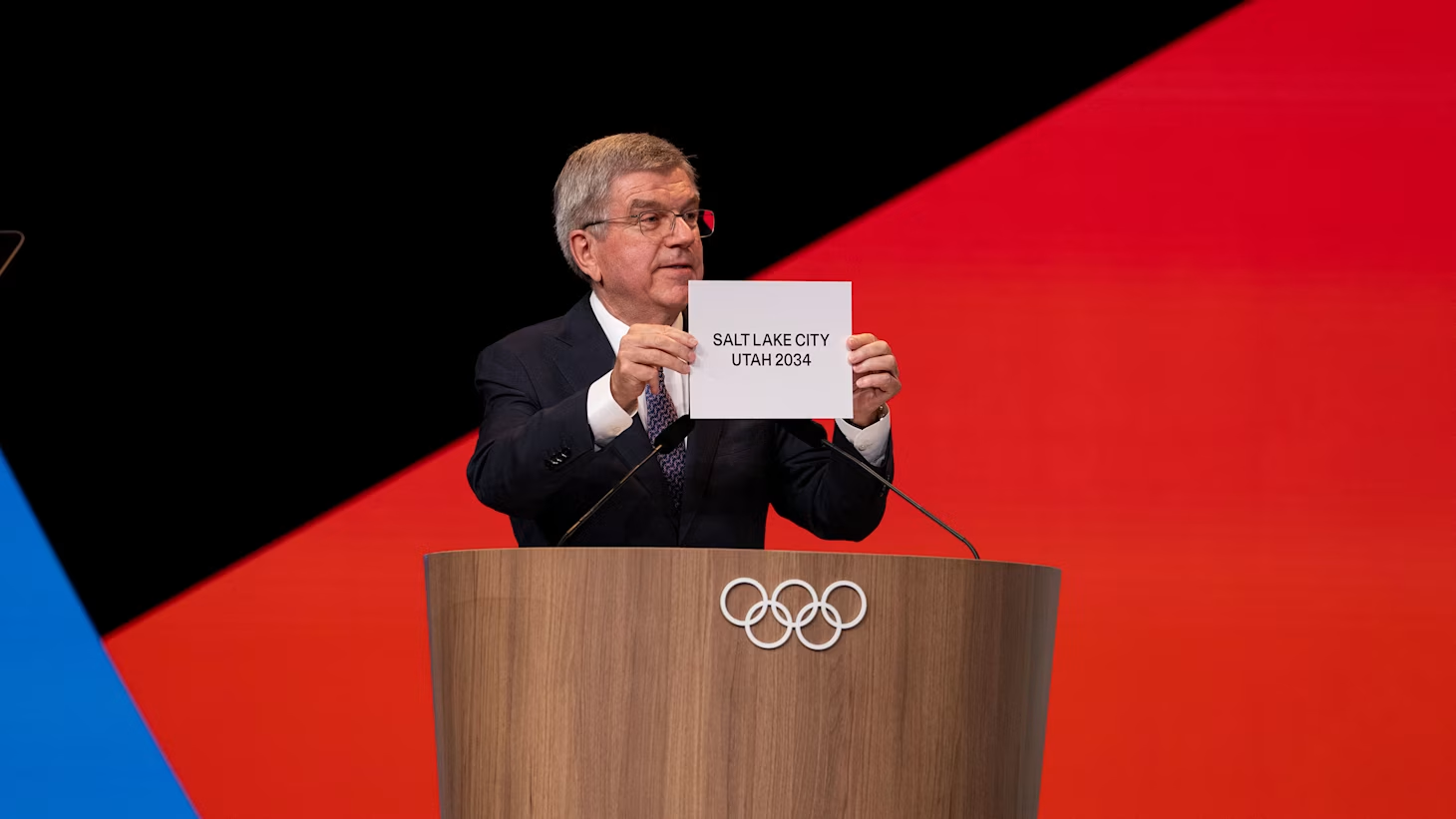
Salt Lake City is abuzz with excitement and pride as it prepares to host the 2034 Winter Olympics and Paralympics. The announcement by International Olympic Committee (IOC) President Thomas Bach in Paris has set the stage for a thrilling return of the Winter Games to the United States, the first since Salt Lake City last hosted in 2002. This historic event marks a significant milestone for Utah, cementing its status as a premier destination for winter sports and global events. The anticipation is palpable, and the community is ready to show the world the unmatched spirit and enthusiasm that Utah is known for.
A Proud Legacy
This will be the fifth time the United States has hosted the Winter Olympics, and for Utah's capital city, it is a proud moment that highlights its enduring legacy in winter sports. Having successfully hosted the Games in 2002, Salt Lake City is uniquely positioned to deliver an exceptional experience once again. The city’s existing world-class venues and strong community support were pivotal in securing the bid. The announcement reaffirms Utah's reputation as a top-tier destination for winter sports, promising another unforgettable event that will leave a lasting impact on athletes, visitors, and residents alike.

Strong Support and Endorsement
The bid's success can be attributed to the unwavering support and tireless efforts of key figures such as Governor Spencer Cox, Salt Lake City Mayor Erin Mendenhall, committee president Fraser Bullock, and a host of Olympic athletes. Their compelling presentation highlighted Utah's readiness to host the Games without the need for new venues, showcasing the state's robust infrastructure and the community's enthusiastic backing. The committee's passionate advocacy underscored the success of the 2002 Winter Olympics, making a strong case for Utah's capability to host the 2034 Games. Their efforts culminated in an overwhelming 83-6 vote in favor of Salt Lake City's bid, a testament to their dedication and the compelling vision they presented.
Historical Economic Impact
Hosting the Winter Olympics is projected to cost around $4 billion, with an operating budget of $2.83 billion. However, the economic benefits outweigh the costs, promising a substantial boost for Utah. According to a report by the Kem C. Gardner Policy Institute, the Games could generate an impressive $6.6 billion for the state. This economic windfall is anticipated due to the decade-long preparation period, allowing Utah to capitalize on the increased attention and investment leading up to the event. The influx of visitors, coupled with global media coverage, will position Utah as a vibrant and thriving hub for tourism and business, creating opportunities for growth and development that will benefit the state for years to come.
Salt Lake City 2002 Winter Olympics:
- The 2002 Winter Olympics in Salt Lake City generated approximately $4.8 billion in economic activity for the state of Utah.
- The event attracted 2.1 million spectators and generated $1.5 billion in visitor spending
- The Games created around 35,000 job opportunities, significantly boosting local employment.
Vancouver 2010 Winter Olympics:
- Vancouver's 2010 Winter Olympics had a total economic impact of $2.3 billion in British Columbia.
- The event drew approximately 1.8 million attendees, resulting in $1.4 billion in visitor spending.
- Long-term benefits included increased international tourism, with an estimated 300,000 additional visitors annually post-Games, contributing over $300 million annually to the local economy.The Games were instrumental in creating 45,000 jobs, providing a considerable uplift to the local labor market.
Sochi 2014 Winter Olympics:
- The Sochi Winter Olympics resulted in a staggering $53 billion investment, with a direct economic impact of $2.5 billion.
- Visitor spending during the Games amounted to $1.2 billion.
- Sochi's infrastructure developments, including new roads, railways, and sporting venues, provided lasting benefits to the region, fostering further economic growth.
Beijing 2022 Winter Olympics:
- The Beijing 2022 Winter Olympics had an economic impact estimated at $3.9 billion.
- The Games drew around 2 million attendees, generating $1.7 billion in visitor spending.
- Major infrastructure projects included the construction of new sports venues and the expansion of the high-speed rail network, which have lasting benefits for the region's connectivity and development.
- Approximately 50,000 jobs were created as a result of the Games, significantly impacting the local labor market.
Real Estate & Infrastructure Boost
One of the most significant impacts of hosting the Winter Olympics is on the real estate market. Historical data from previous host cities indicate a robust increase in property values and real estate development leading up to and following the Games. For instance, Salt Lake City saw a remarkable 20% increase in property values in the years surrounding the 2002 Winter Olympics. Similarly, Vancouver, which hosted the 2010 Winter Olympics, experienced a 23% rise in home prices in the five years leading up to the Games, coupled with an influx of new residential and commercial developments. Another significant impact of hosting the Winter Olympics is the influx of funding for urban planning and development. Historical data from previous host cities indicate substantial investments in infrastructure and urban improvements leading up to and following the Games. For instance, Salt Lake City benefited from significant enhancements in public transportation and road networks surrounding the 2002 Winter Olympics. In anticipation of the 2034 Winter Olympics, Salt Lake City is expected to receive substantial funding aimed at upgrading and expanding its urban infrastructure. Experts predict that these investments will lead to improved public transportation systems, enhanced roadways, and the development of new community spaces. The heightened focus on urban planning will facilitate better connectivity and accessibility, ultimately benefiting residents and visitors alike.
The construction of Olympic villages and related infrastructure projects will serve as a catalyst for broader urban development initiatives. These efforts will not only support the needs of the Games but also leave a lasting legacy that positively impacts the city's real estate market in the long run. Improved infrastructure and well-planned urban environments typically lead to increased property values and attract new investments, creating a vibrant and thriving community.

Looking Ahead to 2034
With the bid secured, the race is on to prepare for the 2034 Winter Olympics. Utah is uniquely positioned with all necessary venues already in place, allowing for a focus on legacy projects that will benefit the state long after the Games conclude. Governor Cox reiterated that the state is in a unique position to start planning and executing projects that will leave a lasting impact. These projects will enhance the lives of Utah residents and create a positive legacy that extends far beyond the Olympics. The anticipation and excitement are palpable, with local leaders and residents eager to welcome the world once again and showcase Utah's unparalleled hospitality and community spirit. The return of the Winter Olympics to Salt Lake City is more than just a sporting event; it's a celebration of community, unity, and resilience. From the beaming pride of local leaders to the enthusiastic support of residents, Utah is ready to shine on the global stage. The 2034 Winter Olympics will undoubtedly be a historic and memorable event, showcasing the best of Utah to the world. The sense of unity and pride that has emerged from this announcement is a testament to the strong community spirit that defines Utah. As the state prepares to host the world once again, there is a collective determination to make the 2034 Winter Olympics an event that will be remembered for generations.


Red Sign Team
Real Estate Team | Red Sign Team | KW Westfield
or another way