
Categories
Salt Lake County Neighborhoods, Utah Market UpdatesPublished November 4, 2026
Salt Lake City's New Affordable Housing: What Latitude Apartments Tells Us About Utah's Market

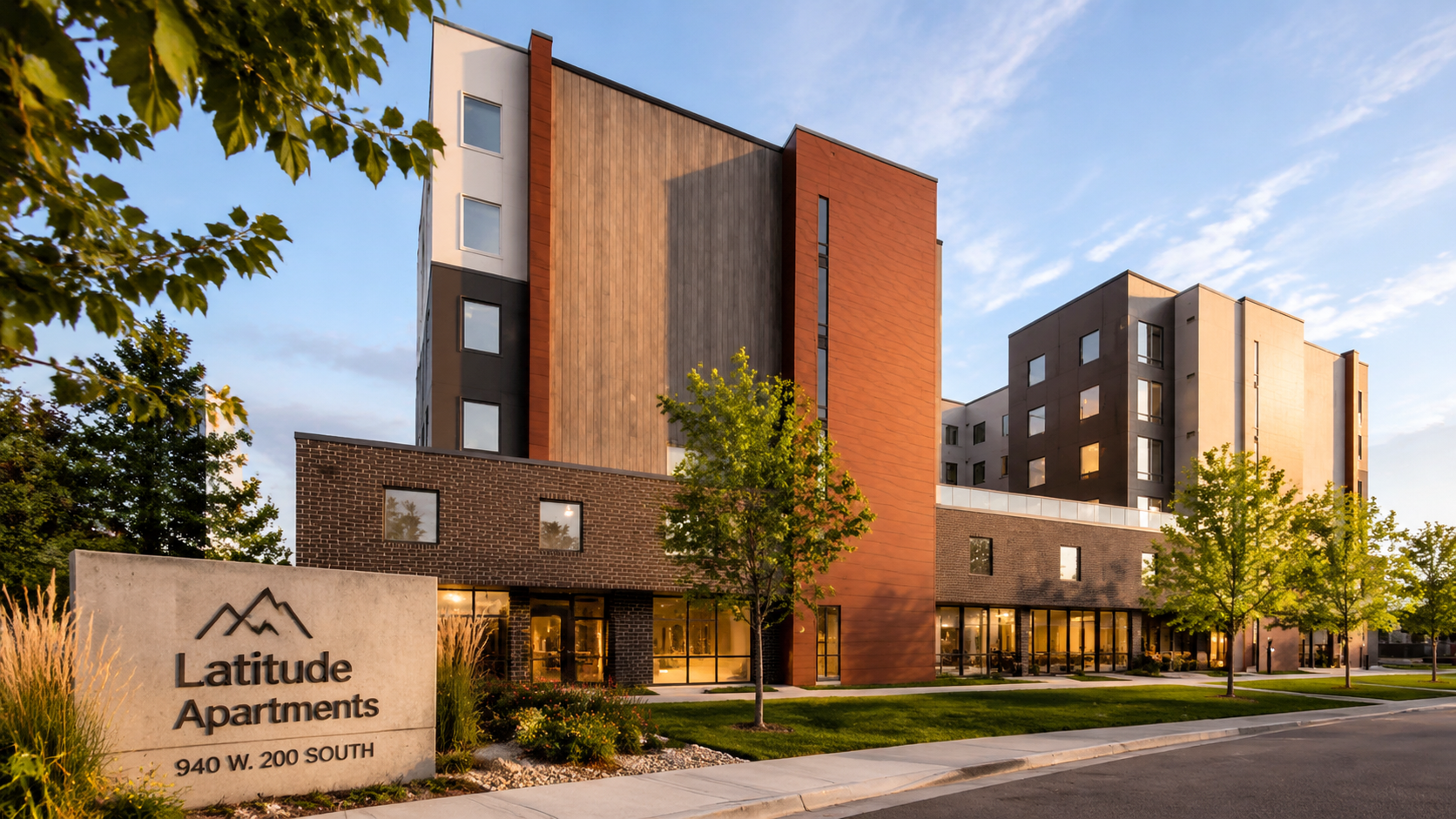
Lynda Davison did not plan on starting over in Salt Lake City. After her husband of 45 years needed nursing home care, she moved in with her sister and started hunting for a place of her own. Everything she found was out of reach. Then a call came about a brand new building on the west side, and a few weeks ago she picked up the keys.
Her new address is Latitude Apartments, a nearly $39 million affordable community that just opened at 940 W. 200 South. It is one building, 105 doors, and one small piece of a much bigger Utah story. We dug past the headline into the latest state data to explain what Latitude actually is, who it serves, and what it tells every Utah buyer, seller, and renter about where this market is headed.
A NEW ADDRESS ON 200 SOUTH
Latitude sits between the Fairpark and Poplar Grove neighborhoods, a short trip from downtown. Chelsea Investment Corporation developed and owns the building, and construction moved fast: crews broke ground in spring 2025, and residents are already moving in.
Every one of the 105 apartments is reserved for households earning 60% of area median income or less. Sixteen of them go even deeper, set aside for households at 30% of median income, the level the city calls "deeply affordable." About 30% of the units are two and three bedroom layouts, which is rare in a market where new apartments tend to skew toward studios and one bedrooms.
The amenity list reads like a market rate building: a fitness center, laundry on every floor, bike storage, a community lounge, a dog wash station, and electric vehicle charging in the parking garage.
Inside Latitude Swipe or scroll for more →
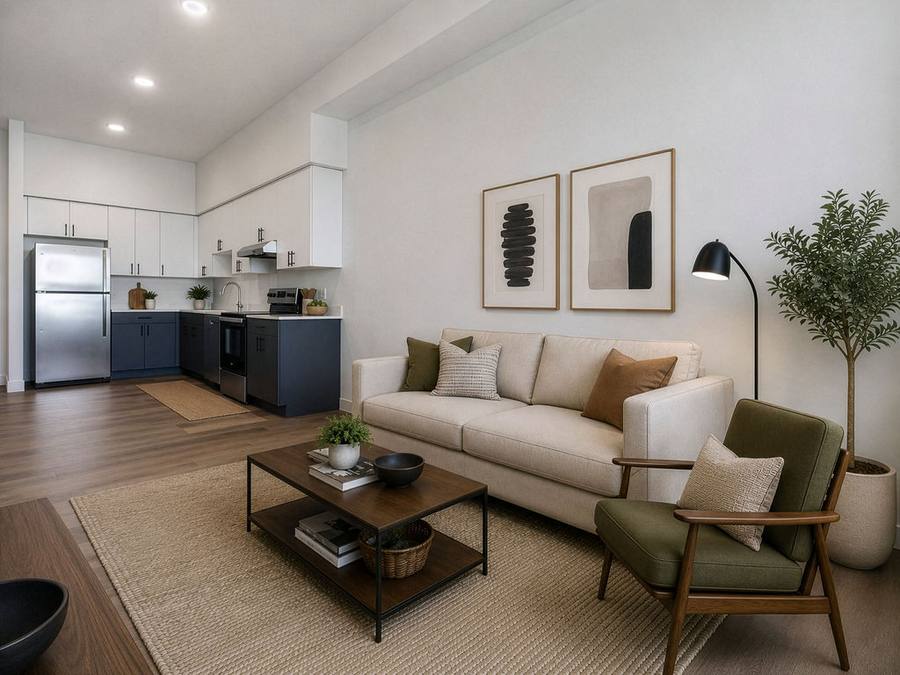
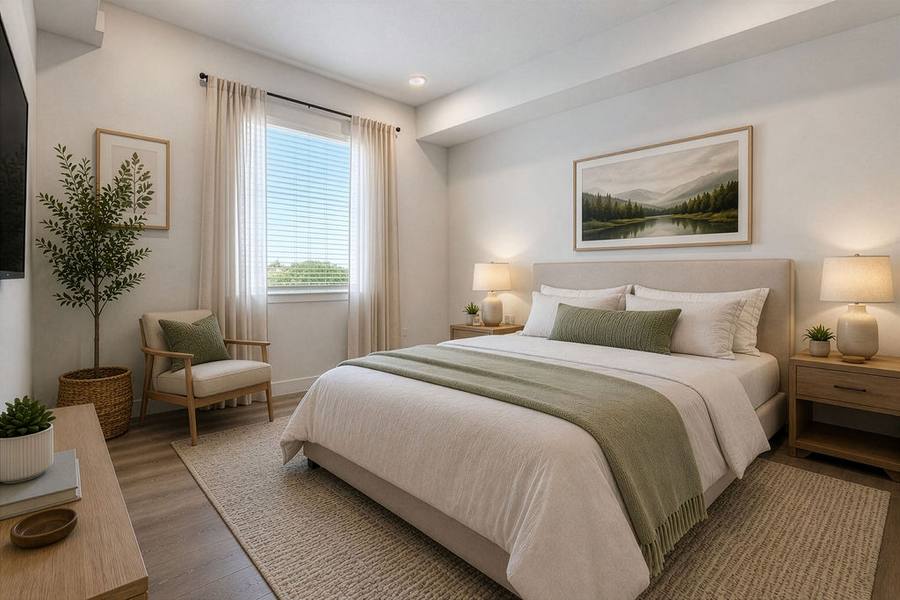
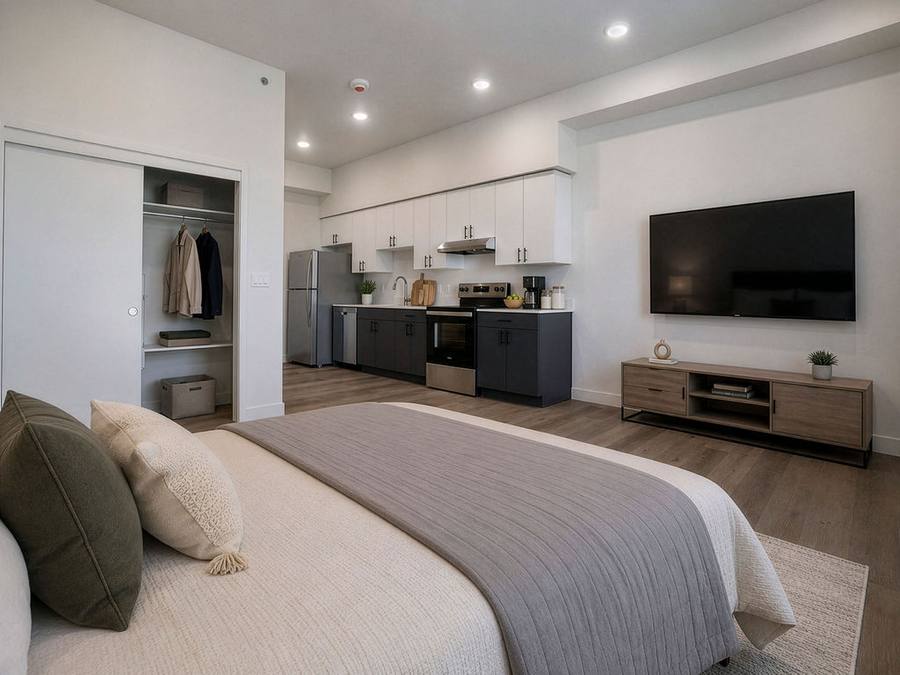
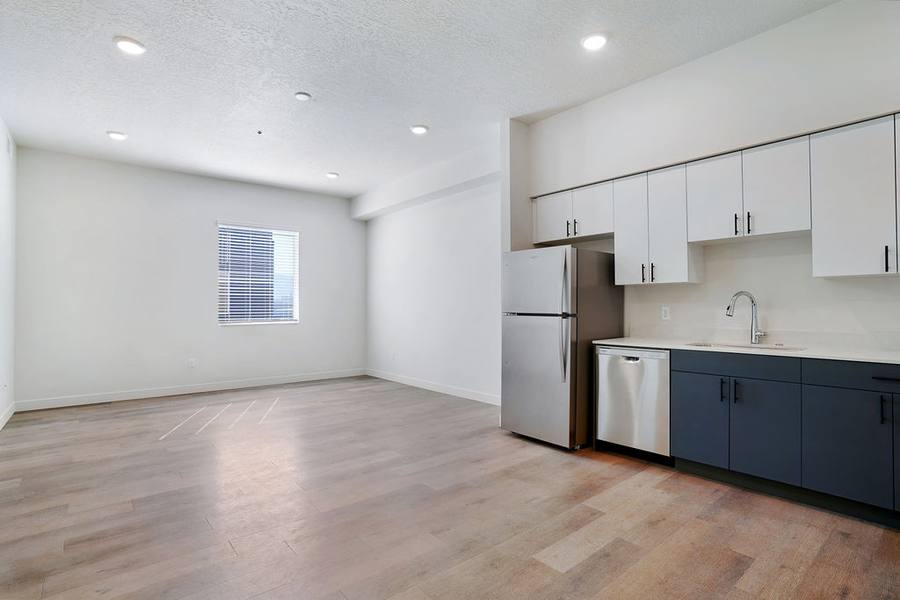
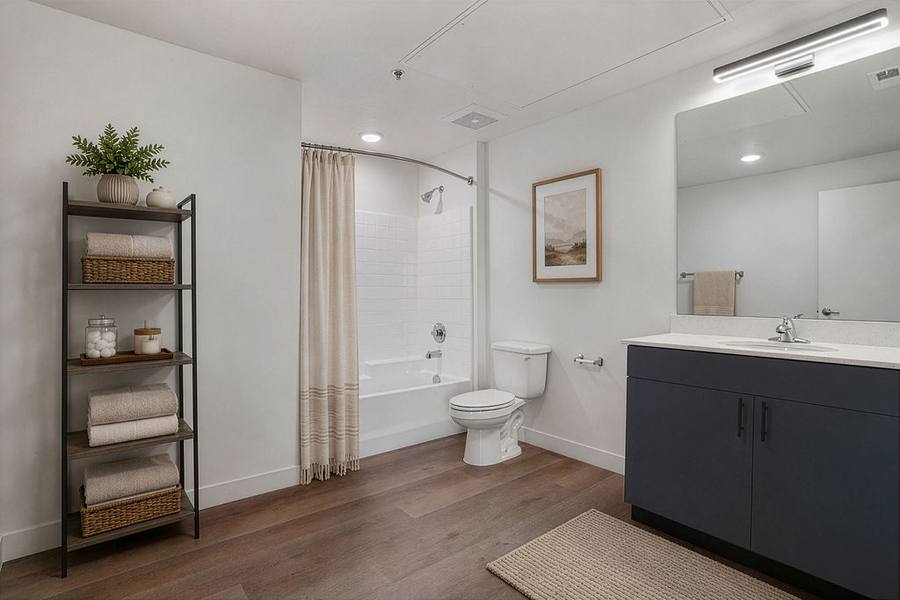
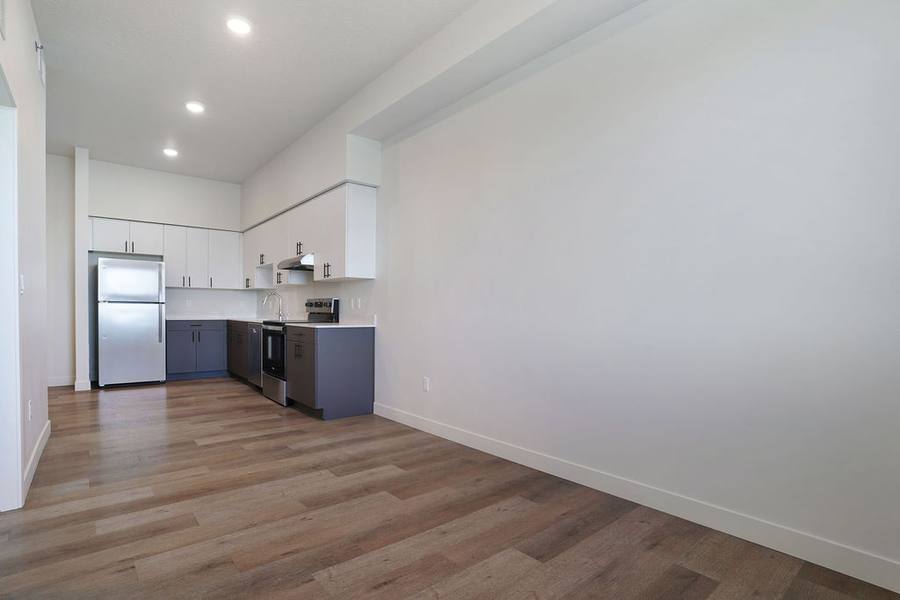
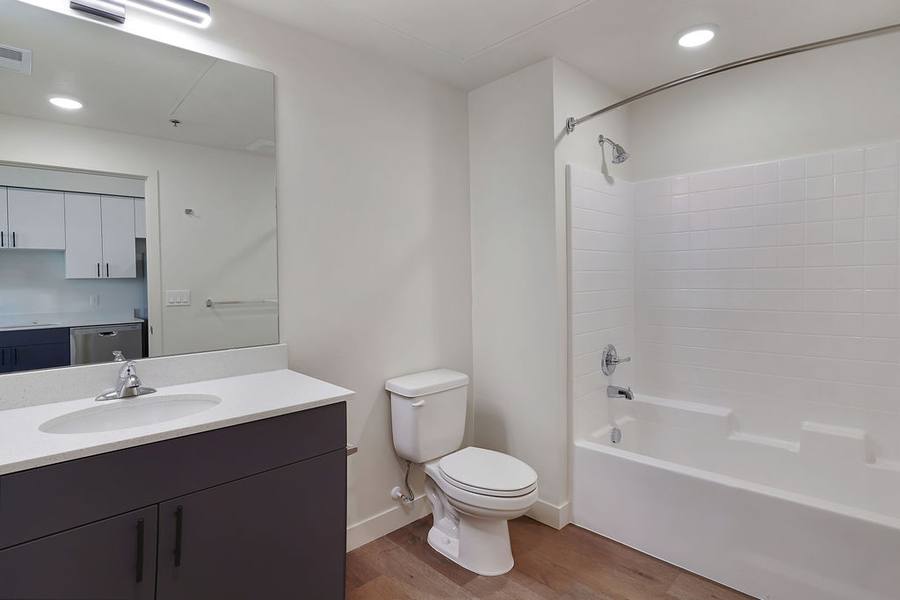
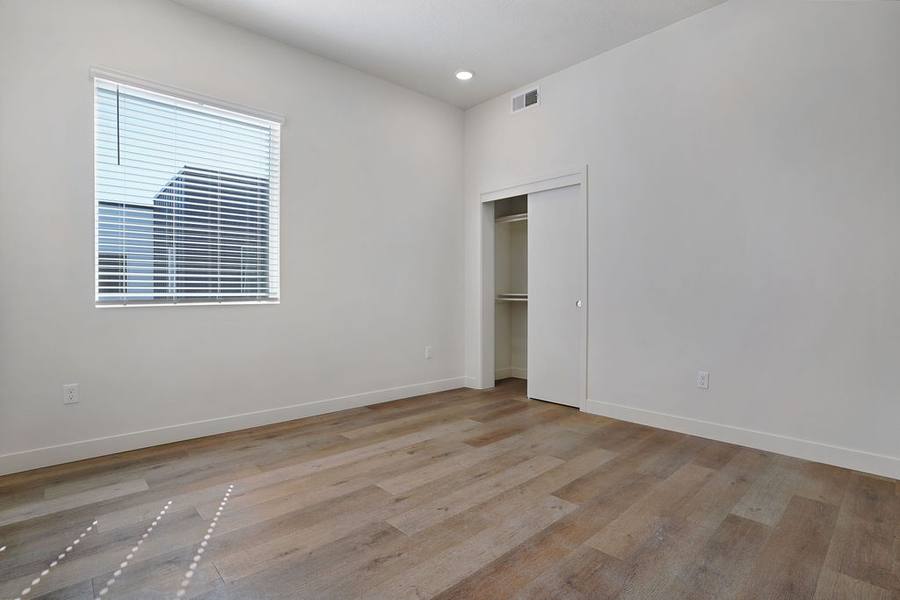
Photos courtesy of Latitude Apartments. Some images are virtually staged.
HOW A $39 MILLION BUILDING GETS FUNDED
Affordable rents do not mean cheap construction. Latitude cost nearly $39 million to build, and the money came from several layers stacked together. Salt Lake City contributed about $2.8 million, according to the city's affordable housing dashboard. Federal tax credits brought in more than $13 million, and state tax credits added another $3 million, with other sources filling the gap.
Latitude Apartments at a glance
105
affordable units, all at or below 60% of area median income
16
units reserved at 30% of median income
~30%
of units with two or three bedrooms
$39M
total project cost, with $13M+ from federal tax credits
Source: KSL, Nov. 3, 2026
That funding mix is the quiet headline. Projects like this only pencil out when public dollars cover the gap between what it costs to build in 2026 and what a household at 60% of median income can pay in rent.
WHO QUALIFIES AT 60% OF AREA MEDIAN INCOME
"Area median income" sounds abstract until you put real numbers on it. Salt Lake City measures affordability against the 2026 HUD income limits for the Salt Lake and Tooele county metro, where 100% of median income is $88,300 for one person and $126,100 for a household of four.
| Household size | 30% AMI | 60% AMI (approx.) | 100% AMI |
|---|---|---|---|
| 1 person | $26,500 | $52,980 | $88,300 |
| 2 people | $30,300 | $60,540 | $100,900 |
| 3 people | $34,100 | $68,100 | $113,500 |
| 4 people | $37,850 | $75,660 | $126,100 |
30% and 100% figures from Salt Lake City Housing Stability. 60% column estimated as 1.2 times HUD's published 50% limit, the standard HUD method. Each property sets its own final limits.
Put another way, a single person earning around $53,000 a year, or a four person household earning around $75,000, could qualify for a unit at Latitude. The city's own examples show who lands in these ranges: food servers, kindergarten teachers, and many entry level nurses. These are the people who keep a city running, and they are exactly who the market has been squeezing out.
WHY "OUT OF WHACK" IS THE RIGHT PHRASE
Salt Lake City Council Chairman Alejandro Puy, whose district includes Latitude, put it bluntly: "Things are out of whack in society right now." Residents tell him a single full time income once bought a home. Now an entire household can work full time and still come up short.
The state data backs him up. The Kem C. Gardner Policy Institute's September 2026 State of the State's Housing Market report found Utah's median sale price across all home types rose to $520,000 in early 2026, and Utah ranks as the 10th most expensive single family market in the country. The income needed to buy that median home with 10% down now sits around $147,000.
The gap in one picture
Annual income needed to buy Utah's median priced home, compared with what a typical Utah renter household earns
Income needed to buy, 2016
Median Utah renter household income, today
Income needed to buy, 2026
Source: Kem C. Gardner Policy Institute, Sept. 2026. Assumes a 10% down payment.
Here is the number that stops people: only 4.9% of Utah homes sold in 2025 were affordable to a renter household earning the median renter income of $64,000. Roughly 91% of Utah renters could not cover the estimated $3,669 monthly payment on a median priced home.
Now the counterintuitive part. At the moderate income level, Utah's rental math is actually close to balanced. Gardner counts about 108 affordable rental units for every 100 households earning 80% of median income or less. The crunch is at the bottom. The National Low Income Housing Coalition finds Utah has only 28 affordable and available rentals for every 100 extremely low income renter households, a shortage of roughly 44,000 homes.
Where the shortage really lives
Affordable and available rental homes per 100 Utah renter households, by income level
At or below 30% of median income
At or below 50%
At or below 80%
At or below 100%
Source: National Low Income Housing Coalition, The Gap. 100 means one home for every household.
That is why Latitude's 16 deeply affordable units matter more than their count suggests. They land in the one income band where Utah is missing nearly three out of every four homes it needs.
THE WEST SIDE IS TURNING INTO A BUILDING ZONE
Latitude is not alone. The stretch between North Temple and Interstate 80, from Interstate 15 west to Redwood Road, is growing faster than most of Salt Lake City because land there costs less while construction costs stay high. Chairman Puy says roughly 1,000 units are under construction within a few blocks of each other right now.
Just down the street, Alta Vue at 820 W. 200 South opened with 218 affordable units last year. The state's affordable housing financing records list more in the pipeline, including Alta North Station with 292 units on West North Temple and Emeril Apartments with 135 units, both allocated funding in January 2026.
For anyone watching this part of the valley, the pattern is clear: public investment, new rooftops, and new amenities tend to arrive together. That combination can lift surrounding values over time, which is the same tension city leaders are trying to manage when they fund affordable units alongside market rate growth.
WHAT THIS MEANS FOR UTAH COUNTY
Salt Lake County just set a record, with a median single family price of $645,000 in the second quarter of 2026, according to the Salt Lake Board of Realtors. Utah County moved the other way. Its median single family price eased slightly to $600,000, while sales held steady at about 1,650 homes.
That spread matters. When Salt Lake County prices climb faster, more buyers look south to Lehi, American Fork, Orem, Provo, and beyond. The pressure that built Latitude in Salt Lake City shows up here as competition for starter homes, townhomes, and condos.
Rents tell a split story too. Gardner found apartment asking rents across Utah's five largest counties fell 2.3% over two years as new supply opened, while rents on detached homes jumped 8.5% and townhomes rose 8.3%. Translation: new apartment buildings, affordable and market rate alike, are helping. The shortage of houses with a yard and a garage is not going away on its own.
Looking ahead, Gardner projects Utah will pass 4 million residents by 2035 and need about 280,000 additional homes to keep up. Smaller homes and lots were one of the clearest bright spots in the report: newer homes get noticeably more attainable as square footage and lot size come down. That is where Red Sign's partner builders, Valor Homes, Green Tech Construction, and Amundsen Construction, are spending a lot of their attention.
SMART MOVES IF YOU FEEL PRICED OUT
Headlines like this can feel discouraging. They do not have to be. Here is where we see people in our market making real progress right now:
- Look at condos and townhomes first. They are where prices have softened in several Wasatch Front counties, and they build equity while you plan your next step.
- Ask about builder incentives. New construction can come with rate buydowns or closing cost help that resale homes rarely offer.
- Check down payment assistance. Utah Housing Corporation and several cities run programs for first time buyers. A lender who knows them can tell you in one conversation what you qualify for.
- Own already? Know your number. Gardner puts average equity for Utah homes with a mortgage at a record of about $304,570. That equity can fund a move up, a downsize, or an investment property.
- Renting for now is a strategy, too. If you are watching the market, newer apartment buildings are offering more competitive rents than they did two years ago.
Housing is personal. Lynda Davison's search ended when the right door opened at the right time. Yours might look different, but the first step is the same: get clear on your numbers and your options.
Local guidance, real numbers
Wondering where you fit in this market?
Red Sign is a 20 agent team based in Orem with Keller Williams Westfield, working with buyers, sellers, and investors across the Wasatch Front every day. We partner with local builders Valor Homes, Green Tech Construction, and Amundsen Construction, so we see new construction pricing and incentives early. Tell us your goals and we will show you what is realistic right now.
FREQUENTLY ASKED QUESTIONS
What is Latitude Apartments in Salt Lake City?
Latitude is a new 105 unit affordable apartment community at 940 W. 200 South, between the Fairpark and Poplar Grove neighborhoods. Every unit is reserved for households earning 60% of area median income or less, and 16 units are set aside at 30% of median income.
How much can I earn and still qualify for affordable housing in Salt Lake City?
It depends on household size and the property's income limit. Using 2026 HUD figures, 60% of median income works out to roughly $53,000 for one person and about $75,700 for four people. Each property confirms eligibility directly, so always check with the leasing office.
How big is Utah's affordable housing shortage?
Utah is short about 44,000 rental homes that are affordable and available to extremely low income renters, according to the National Low Income Housing Coalition. Looking further out, the Kem C. Gardner Policy Institute estimates the state will need about 280,000 more homes by 2035.
How much income do I need to buy a home in Utah in 2026?
The Gardner Institute estimates about $147,000 a year to buy Utah's median priced home with 10% down, with a monthly payment around $3,669. Condos, townhomes, smaller new builds, and assistance programs can bring that number down considerably.
Are rents going down in Utah?
Apartment rents are. Average asking rents for apartments across Utah's five largest counties fell 2.3% from March 2024 to March 2026 as new buildings opened. Rents for detached homes and townhomes kept climbing, up about 8.5% and 8.3%.
Does affordable housing affect nearby home values?
Every neighborhood is different. On Salt Lake City's west side, new affordable buildings are arriving alongside market rate projects and public investment, which tends to bring new amenities to an area. If you own nearby, a local agent can pull recent sales to show how your street is trending.
In This Article
The Latitude Story How It Got Funded Who Qualifies The Real Imbalance West Side Pipeline Utah County Angle Smart Moves FAQSalt Lake City Questions?
Talk to a Red Sign agent
Curious what these numbers mean for your own move? We'll walk you through real options, no pressure.
Let's Talk (801) 733 7446 What's my home worth? →
Red Sign Team
Real Estate Team | Red Sign Team | KW Westfield
or another way