
Categories
Local Market News, Market Trends & InsightsPublished August 13, 2026
St. George Housing: 281 New Residential Lots Proposed

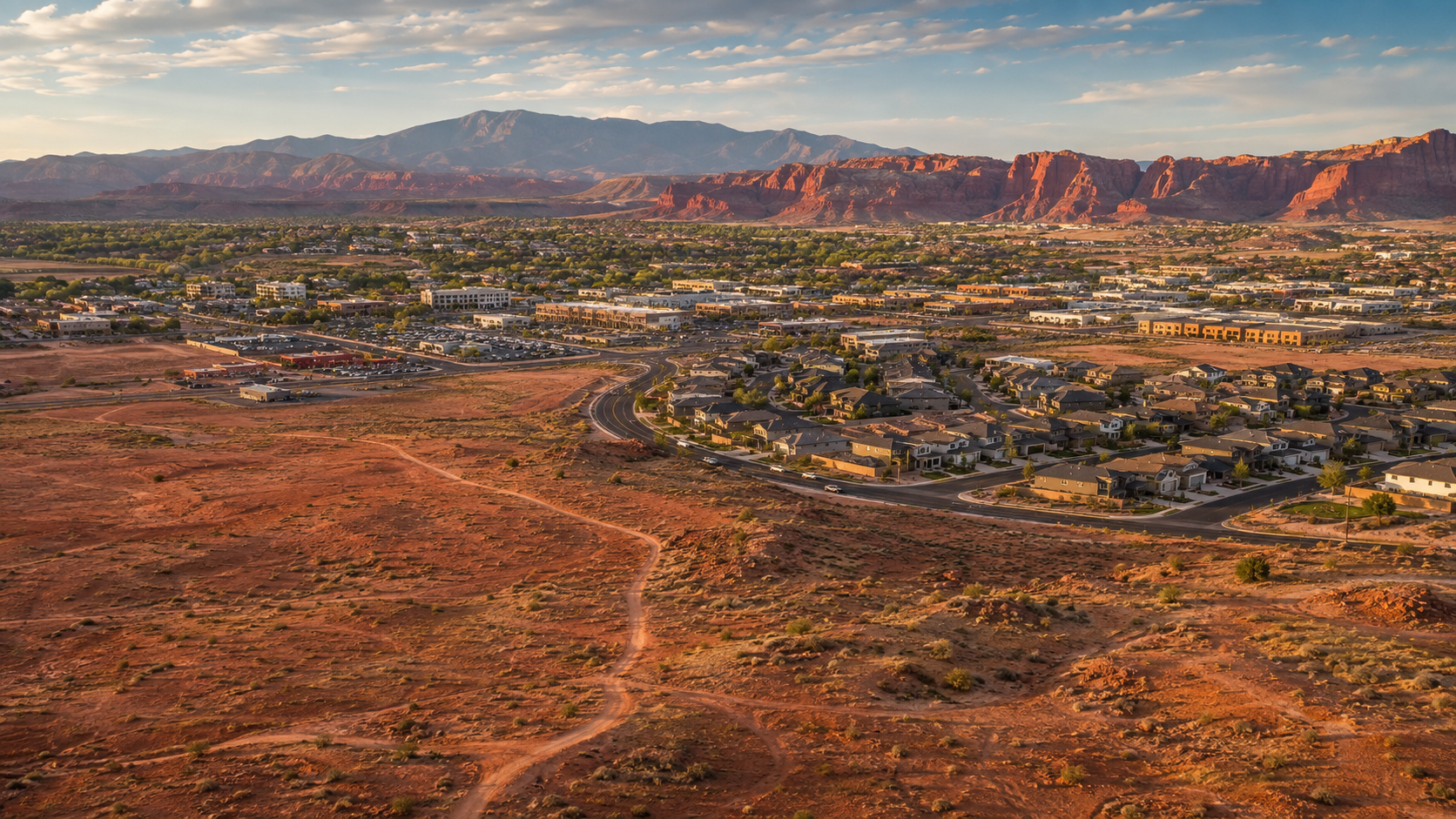
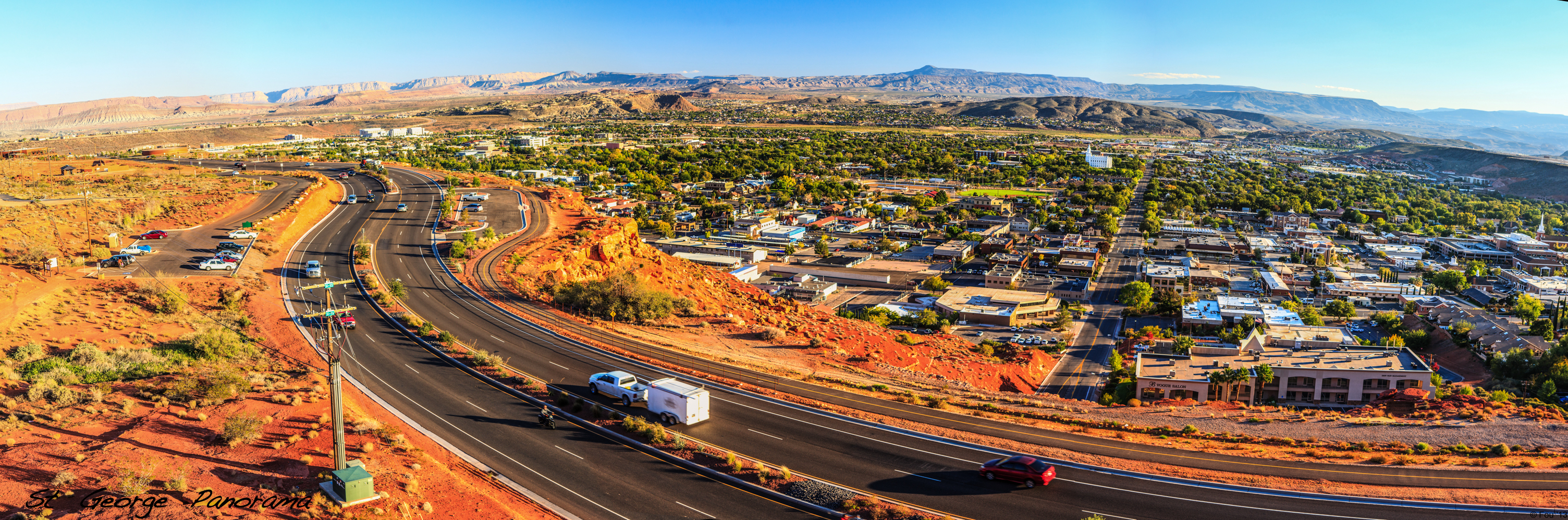
St. George growth is easy to see from I-15, River Road, Desert Color, and the expanding edges of the city. What is harder to see is what's already moving through the planning process behind the scenes, and on August 11, the answer landed in one meeting. Two St. George housing proposals, Rolling Desert and Cove Valley, brought 281 new residential lots before the city's Planning Commission in a single sitting. That is not a rumor or a projection. It is a real signal about where Southern Utah's next wave of growth is headed, and it is worth understanding before the headlines get ahead of the facts.
Here is what makes this story genuinely interesting. St. George is pulling off two things at once that do not usually happen together. Washington County is adding residents faster than almost anywhere else in Utah, yet the housing market has cooled enough that buyers are negotiating harder than they have in years. That combination changes what 281 proposed lots actually means, and it is exactly what this article breaks down. You will learn where these lots are, what a preliminary plat does and does not guarantee, how St. George home prices are actually moving right now, and what all of it means whether you are buying, selling, or just watching Washington County's next chapter unfold.
WHAT ARE THE 281 PROPOSED ST. GEORGE RESIDENTIAL LOTS?
The two projects appeared consecutively on the St. George Planning Commission agenda for August 11, 2026.
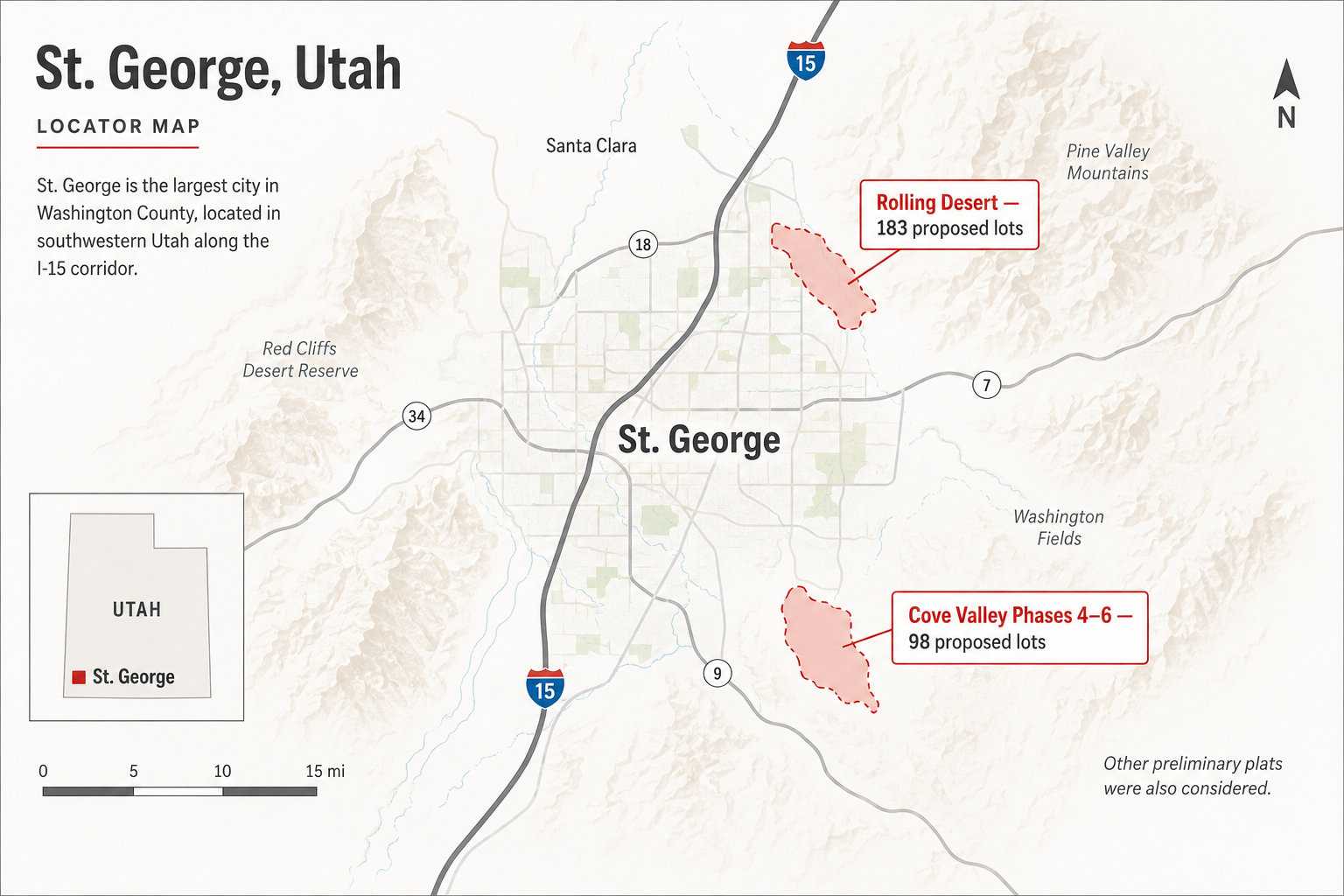
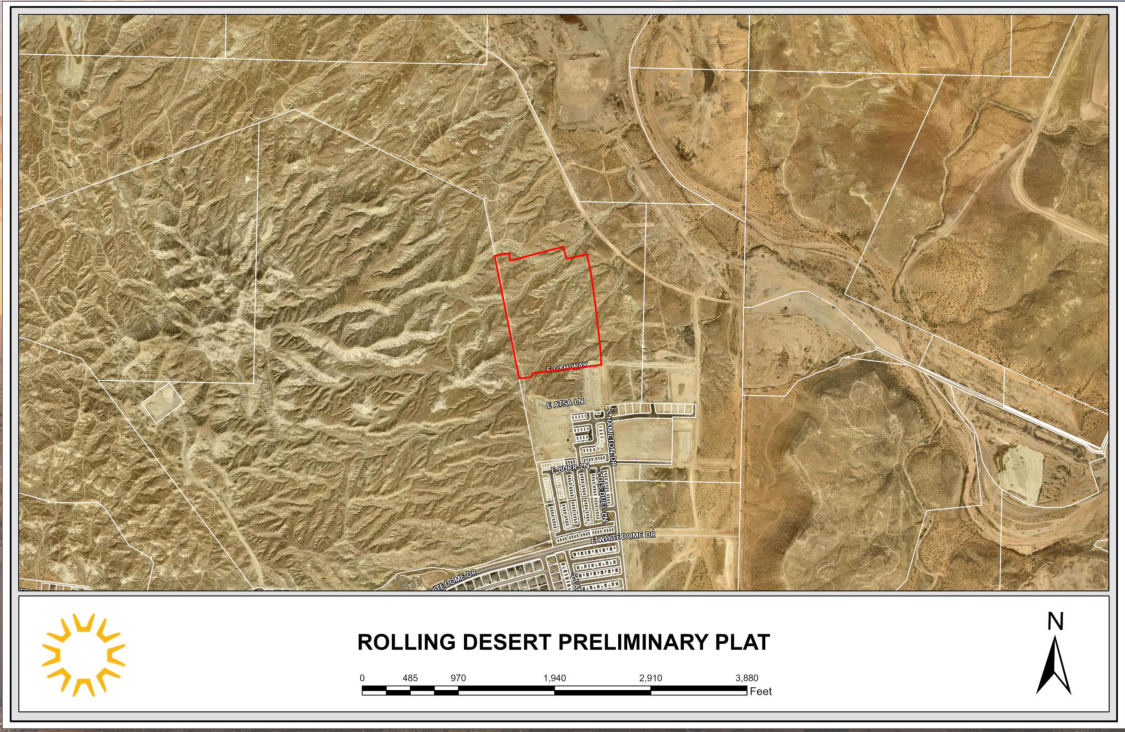
Rolling Desert Proposes 183 Residential Lots
Rolling Desert is the larger of the two proposals. The application calls for a 183 lot residential subdivision in the White Hills development area. The official agenda identifies DSG Engineering as the applicant, with Mike Terry as the representative. The case number is 2026-PP-016.
The public agenda does not give us enough information to responsibly state final home prices, builders, construction dates, or home sizes, or exactly when homes could become available. Those details matter, and we would rather wait for verified information than fill the gaps with assumptions.
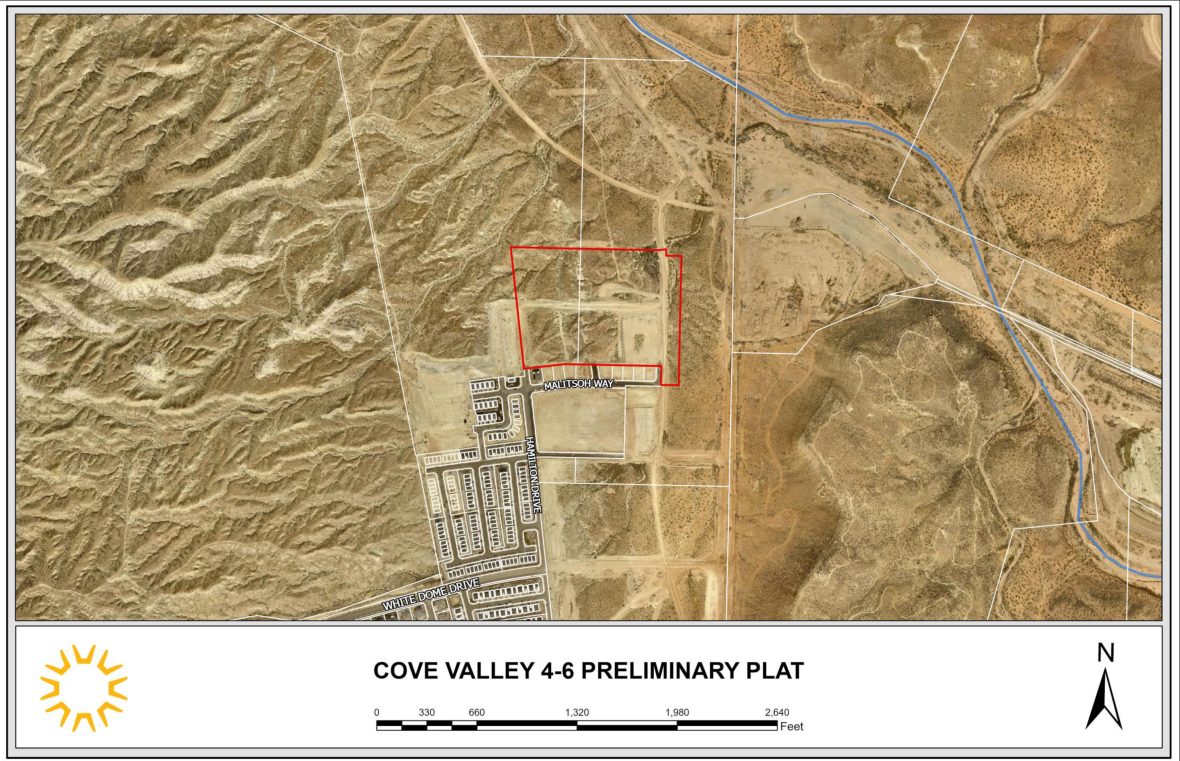
Cove Valley Phases 4 Through 6 Proposes 98 Lots
The second project is Cove Valley Phases 4 through 6, which requests a 98 lot residential preliminary plat. The city agenda again lists DSG Engineering as the applicant and Mike Terry as the representative. Its case number is 2026-PP-005.
Combined, 183 Rolling Desert lots plus 98 Cove Valley lots equals 281 proposed residential lots.
Interestingly, those were not the only residential plats on the August 11 agenda. Tower Estates proposed another seven lots near 2450 South and 3210 East, while Two Peaks proposed two residential lots downtown. That means the agenda contained 290 proposed residential lots across four separate preliminary plats. That is a useful snapshot of just how active St. George's residential development pipeline remains, even in a single meeting.
WHAT DOES A PRELIMINARY PLAT ACTUALLY MEAN IN ST. GEORGE?
This is one of the most important details in the entire story, and it is easy to miss if you only see a headline.
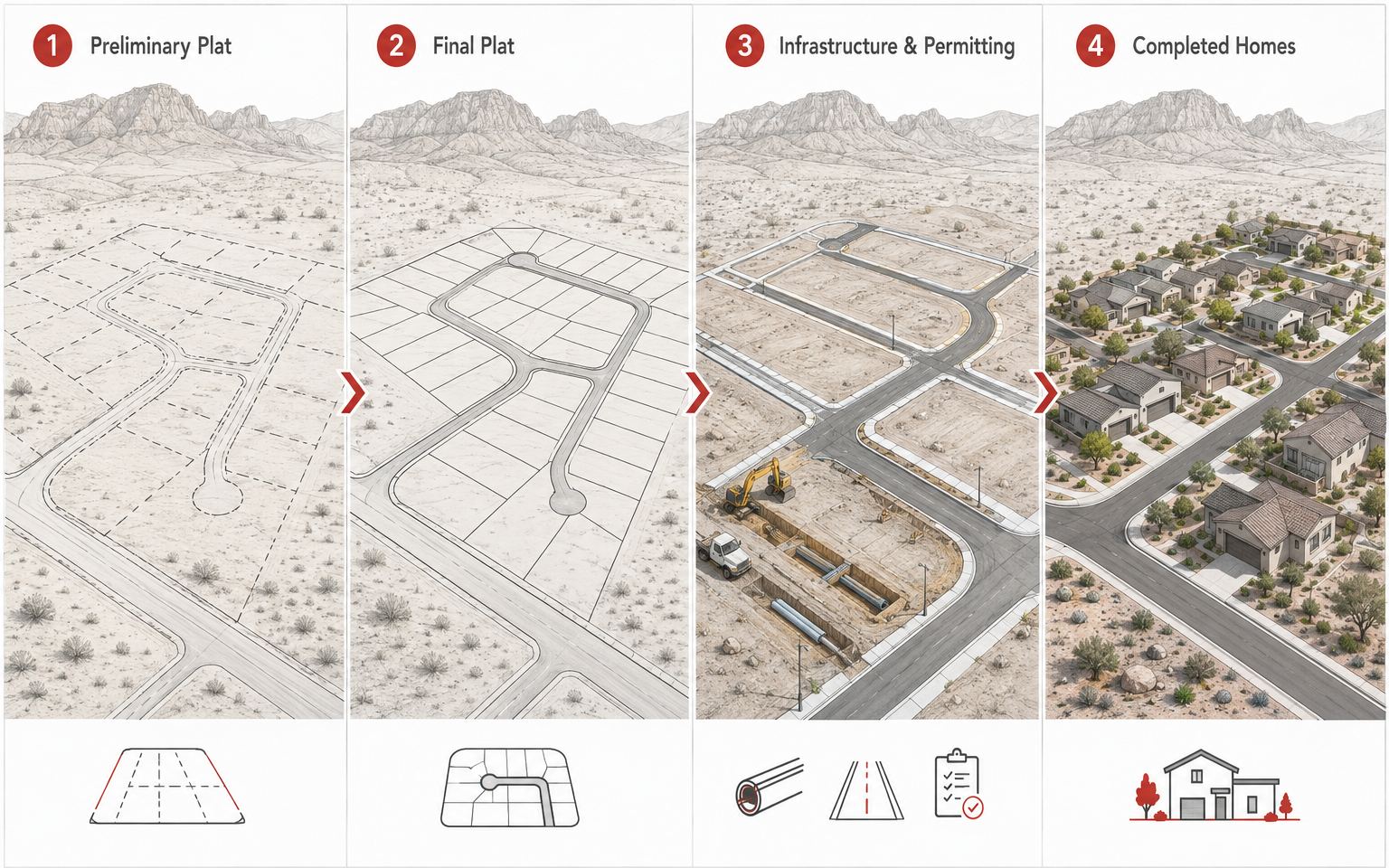
A preliminary plat is an early subdivision plan showing how land is proposed to be divided into lots and developed. It is part of the land development approval process. It is not the same thing as a final recorded subdivision, and it is not the same thing as a building permit.
St. George maintains separate application processes for preliminary plats and final plats, and the city's Planning Commission is responsible for recommending or acting on land use matters that include plats. So when you hear that 281 new lots are proposed, you should not interpret that as any of the following:
- 281 houses are currently under construction
- All 281 homes have already been approved for sale
- 281 listings will appear on the market this year
- Every lot will be developed at the same time
- Final home prices have already been established
Development still moves through additional review, infrastructure, engineering, recording, permitting, construction, and market timing before any of these lots become livable homes.
There is another reason we are being careful with the language here. As of our August 13 research, the official St. George Planning Commission page showed the August 11 agenda and meeting packet, but no official minutes were posted yet. The July 28 meeting, by comparison, already had minutes available. Until that official record is complete, Red Sign Real Estate Team will describe Rolling Desert and Cove Valley as proposed residential subdivisions, not completed or confirmed housing inventory.
WHY ST. GEORGE HOUSING KEEPS EXPANDING
The simplest explanation is population.
St. George itself reached an estimated 108,713 residents as of July 1, 2025, according to the U.S. Census Bureau. That represents 14 percent growth from the city's April 2020 population estimate base.
Washington County grew even faster. The county reached an estimated 213,670 residents in 2025, up 18.5 percent from its April 2020 estimate base of 180,284. That is roughly 33,400 additional county residents in about five years.
Housing has to respond somehow. Some of that demand is being met through apartments, townhomes, condos, infill projects, and established subdivisions. Some is being met through larger development areas on the edges of St. George and neighboring Washington County communities. Rolling Desert and Cove Valley are part of that larger picture.
The important point for buyers is that population growth and home price growth are not the same thing. St. George can continue attracting residents while its housing market simultaneously becomes more balanced. That is exactly what current data appear to show.
WILL 281 NEW LOTS LOWER ST. GEORGE HOME PRICES?
Not by themselves.
The first reason is obvious once you understand the planning process. These are proposed lots, not finished homes ready for buyers.
The second reason is scale. U.S. Census Bureau building permit data show 2,857 private housing structures were authorized in Washington County during 2025. That includes multiple structure types and covers the entire county, so it should not be compared directly with 281 preliminary lots in St. George. Still, it provides useful perspective on how much residential development is already occurring across Southern Utah.
The effect of new construction on home prices depends on much more than raw lot count.
You also have to ask:
- What type of homes will actually be built?
- What prices will builders target?
- How quickly will construction happen?
- How much buyer demand exists when the homes reach market?
- What competing projects will be selling at the same time?
- Will builders offer financing incentives or closing cost assistance?
- How much resale inventory will be available?
Two hundred eighty one luxury homes would affect affordability very differently than 281 starter homes. Without confirmed product and pricing information, it would be premature to claim these two projects alone will make St. George significantly more affordable. What we can say is that additional housing supply gives the market more capacity to absorb future population growth.
THE COUNTERINTUITIVE ST. GEORGE HOUSING STORY
Here is the number that may surprise you most.
Washington County's population grew 18.5 percent from its April 2020 estimate base through July 2025, yet Zillow reports its typical home value was down 1.1 percent year over year by July 2026.
Those facts are not contradictory. Long term demand and short term market conditions operate on different timelines. Population growth supports the underlying need for housing. But mortgage rates, affordability, household incomes, available inventory, builder activity, insurance costs, buyer confidence, and seller expectations all influence what buyers can actually pay today.
That is why "St. George is growing" does not automatically mean "St. George home prices must go up." For buyers and sellers, that is a far more useful way to look at the market than headline population numbers alone.
GROWING PAINS WORTH WATCHING
Lot counts and price data only tell part of the story. Growth also puts pressure on resources and systems that do not show up on a Planning Commission agenda. Here is what is worth keeping an eye on as St. George keeps adding subdivisions.
What About Water and All This St. George Growth?
This may be the most common question that follows any Southern Utah development story, and it is a legitimate one.
St. George acknowledges that the Virgin River drainage basin provides a finite water supply and says future growth has to be planned regionally with surrounding municipalities and the Washington County Water Conservancy District.
The city's published 20 year strategy identifies several ways it expects to meet additional demand. Water reuse is projected to provide about 50 percent of the additional supply needed, while conservation is expected to account for approximately 25 percent. Groundwater optimization, development of additional sources, and conversion of agricultural water make up the balance of the strategy.
One statistic is particularly interesting. St. George says it is delivering approximately the same amount of water to customers as it did seven years earlier despite adding about 8,000 new connections. The city attributes part of that change to conservation and newer developments using more efficient homes, landscaping, and irrigation systems.
That does not mean water is no longer a constraint. It means the answer to "How can St. George keep growing?" is more complicated than simply looking at the number of new subdivisions. Water infrastructure, conservation, reuse, development standards, and future supply projects all matter, and they are worth watching alongside any lot count.
Traffic and Infrastructure Matter Just as Much as Lot Counts
New homes do not exist in isolation. As St. George expands, roads, schools, utilities, emergency services, parks, drainage, and other infrastructure have to serve more residents. That is one reason a proposed subdivision should be evaluated as more than a housing number.
For a buyer considering a developing part of St. George, we would pay attention to:
- Current and planned road connections
- Nearby commercial services
- School boundaries
- Future neighboring land uses
- Trails and parks
- Utility infrastructure
- Construction activity around the property
- HOA or community rules
- Planned density nearby
- Travel time to the parts of St. George you use most
A house can be beautiful and still be the wrong location for your daily routine.
281 LOTS ARE PART OF A MUCH BIGGER WASHINGTON COUNTY STORY
Washington County had 91,460 housing units as of July 2025, according to Census estimates. The county's population reached 213,670 that same year. It also issued 2,857 private housing structure permits during 2025.
Those numbers help put Rolling Desert and Cove Valley into perspective. The projects matter, but they are not an isolated building spree. They are part of the long term transformation of Washington County from a much smaller Southern Utah market into a region supporting more residents, more housing types, more infrastructure, and increasingly distinct submarkets.
That is why the question is no longer simply:
"Is St. George growing?"
It clearly is.
A better question is:
"Where is St. George adding housing, what kind of housing is being built, and is supply keeping up with the people who actually want to live here?"
That is the question buyers and sellers should follow.
WHAT WE STILL DO NOT KNOW ABOUT ROLLING DESERT AND COVE VALLEY
There are several details we would want before treating either development as a buying opportunity.
As of August 13, 2026, the official public materials we could verify did not give us enough information to confirm:
- Final Planning Commission action from the August 11 meeting
- Final recorded plats
- Construction start dates
- Builders
- Home designs
- Final lot sizes
- Release schedules
- Starting home prices
- HOA costs or amenities
- Builder financing incentives
The St. George Planning Commission page had not yet posted official August 11 minutes when this article was researched.
Those details should be updated as they become part of the public record.
THE BOTTOM LINE
The 281 proposed St. George residential lots in Rolling Desert and Cove Valley are meaningful because they show that the city's housing pipeline is still active. But they do not tell the whole story.
St. George and Washington County continue to grow quickly. Washington County's population increased 18.5 percent from its April 2020 estimate base to July 2025. Yet current housing data show a much more balanced market, with typical values slightly lower than a year ago and a majority of recent Washington County sales closing below asking price.
That combination is important. Southern Utah still needs housing for long term growth, but buyers do not necessarily have to behave as if every home will disappear overnight. And sellers cannot rely only on population growth to set a price.
FREQUENTLY ASKED QUESTIONS
Are 281 new homes actually being built in St. George?
Not yet, based on the official records available when this article was researched. Rolling Desert proposed 183 residential lots and Cove Valley Phases 4 through 6 proposed 98 as preliminary plats before the St. George Planning Commission on August 11. A preliminary plat is not the same as 281 completed homes or building permits.
Where are the 281 proposed St. George residential lots?
The city identifies Rolling Desert as a proposed 183 lot subdivision in the White Hills development area. Cove Valley Phases 4 through 6 accounts for the remaining 98 proposed lots. The public agenda does not provide enough verified detail to responsibly publish exact future home pricing or construction schedules yet.
Is St. George overbuilding homes in 2026?
Current data are not enough to support that conclusion. Washington County is still growing rapidly, while its short term housing market has become more balanced. Population increased 18.5 percent from the 2020 estimate base through July 2025, while Zillow reported typical county home values down 1.1 percent year over year in July 2026.
Are St. George home prices going down?
It depends on the metric. Zillow's Washington County home value index was down 1.1 percent year over year in July 2026, while Redfin's St. George median sale price was up about 0.3 percent over the three months ending June. Different geography and methodologies explain why you may see apparently conflicting numbers for the same market.
Will more St. George housing make homes affordable?
Additional supply can help provide more buyer options and accommodate population growth, but 281 proposed lots alone will not determine affordability. Mortgage rates, incomes, home type, land and construction costs, builder pricing, inventory, and demand all influence what buyers ultimately pay.
Is there enough water for continued St. George housing growth?
St. George says its regional 20 year plan identifies additional water through conservation, reuse, groundwater optimization, new sources, and agricultural conversion. The city expects water reuse and conservation to provide most of the additional supply needed. Water remains an important part of Southern Utah growth planning, so buyers should keep following regional water policy and infrastructure rather than assuming the issue is settled.
Watching how Utah's fastest growing counties handle supply and zoning gives us a clearer read on where the Wasatch Front is headed next. If you are thinking about buying or selling anywhere along that corridor, our team of 20 local agents is ready to help you make sense of the data and find the right move for you. Talk to a Red Sign Agent today!

Red Sign Team
Real Estate Team | Red Sign Team | KW Westfield
or another way