
Published April 14, 2026
Utah Just Changed the Rules on Backyard Homes. Here Is What It Means for Homeowners.

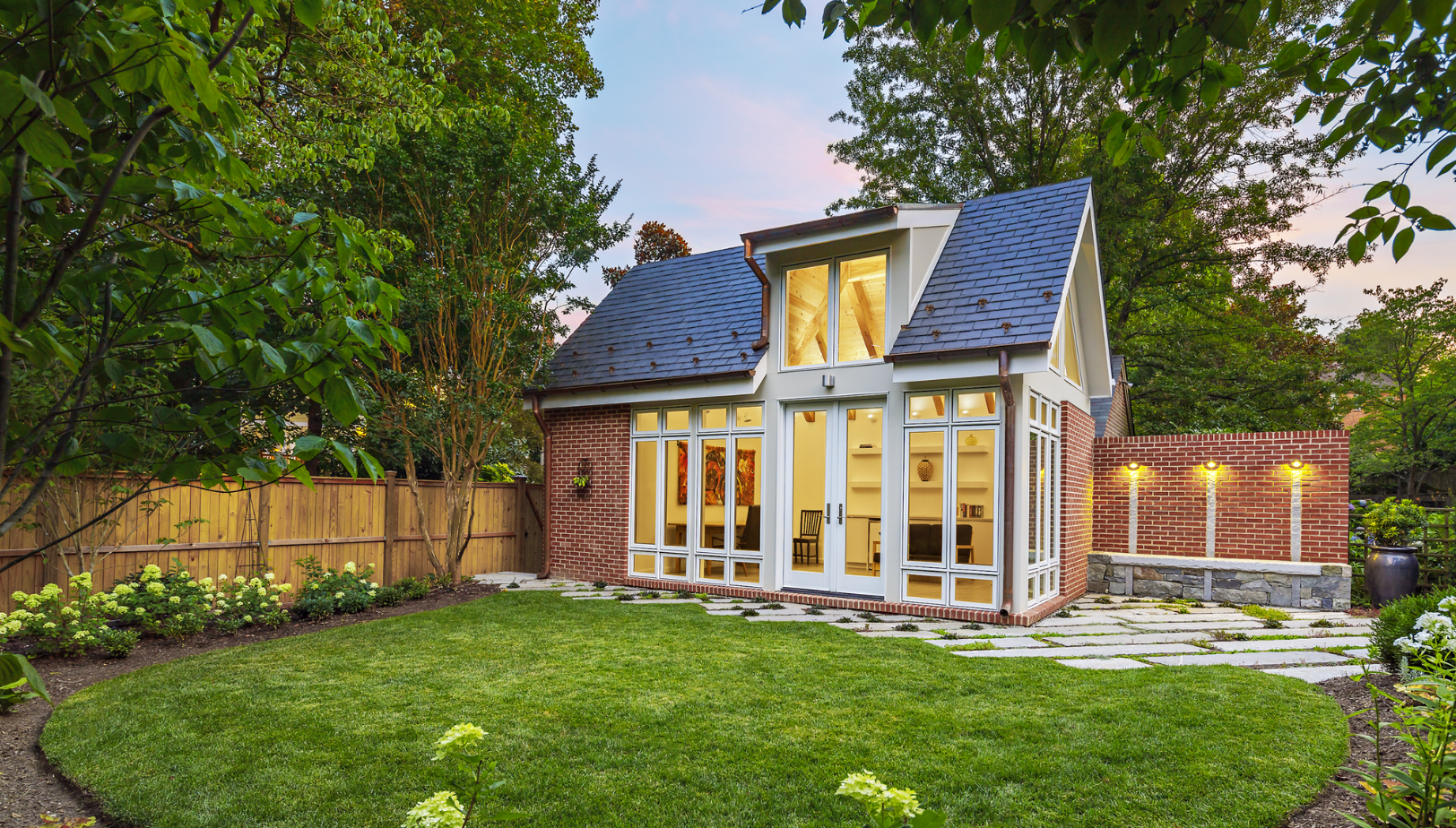
If you own a home in Utah, the 2026 legislative session quietly handed you something worth paying attention to: more options for your property.
Two bills passed this session with direct implications for Utah homeowners, buyers, and the overall housing market. Here is what changed, what it means for your property, and why it matters right now.
SB284: Your Backyard Can Now Legally Become a Second Home
Utah passed SB284, which requires every city with a population of 5,000 or more to permit detached accessory dwelling units (ADUs). Think backyard cottages, garage apartments, or standalone guest houses on your existing lot.
Previously, cities had broad discretion to prohibit these outright. Many did.
Now, cities that do not already have an ADU policy must adopt one by October 2026. The law passed with bipartisan support and was backed by the Utah League of Cities and Towns.
What this means for you as a homeowner:
If your lot is 11,000 square feet or larger, you may now have a path to build a detached ADU where none existed before. That opens up real possibilities:
- Rental income from a separate unit on your existing property
- Housing for aging parents or adult children without selling or moving
- Long term property value increase from added livable square footage
What this does NOT mean:
The state sets the floor. Your city still controls the specifics, including minimum lot size requirements, setbacks, height limits, design standards, parking, and owner occupancy rules. Your ability to build will still depend on your specific city and zoning.
The takeaway: before October 2026, it is worth understanding what your city allows. Some Utah cities are ahead of the curve. Others are still drafting their policies. Knowing where you stand now puts you in a better position to act.
HB492: $100 Million to Unlock Housing Supply
The second major bill this session is HB492, which creates a State Housing Infrastructure Partnership Fund. The state will invest $100 million to help cities build the regional infrastructure required for new housing, including water, sewer, and roads.
This matters because a significant number of planned housing projects across Utah are sitting idle. The land is approved, the demand is there, but the infrastructure needed to support new homes has not been built. HB492 is designed to break that logjam.
For buyers, more supply coming online over the next several years means more options and less pressure on prices. For current homeowners, it signals continued investment in Utah communities and long term demand for housing across the Wasatch Front.
What This Means for the Utah Housing Market Overall
Utah has a supply problem. Estimates put the shortage at roughly 40,000 housing units below current demand. These two bills will not solve that overnight, but they represent real, practical steps in the right direction.
The ADU legislation in particular is significant because it adds housing capacity without requiring new land, new developments, or new infrastructure at scale. It works with what already exists.
If you own a home in Utah right now, you are sitting on an asset that just got more flexible. If you are considering buying, these changes are part of a broader trend that will shape what Utah's housing landscape looks like over the next decade.
Not Sure What Your Property Qualifies For?
The Red Sign Real Estate Team works with Utah homeowners across Utah County and the Wasatch Front every day. Whether you are thinking about what your current home is worth, whether an ADU makes sense for your property, or what buying or selling looks like in today's market, we are happy to have that conversation.
Reach out to our team at redsign.com or call us to connect with one of our agents.
Sources: KSL.com, Building Salt Lake, Utah Legislature 2026 General Session