Categories
Real Estate Insights, Utah Economy & DevelopmentPublished March 17, 2026
Utah’s Next Big Scene Isn’t Just on Screen—It’s in Real Estate


Utah has always had a way of stealing the spotlight. Its red rock canyons, alpine forests, and wide-open valleys have framed some of Hollywood’s most iconic films for decades. But 2026 marks a shift: Utah isn’t just a backdrop anymore. The state is emerging as a full-fledged hub for film production—and that growth is beginning to influence local real estate in ways buyers, homeowners, and investors should notice.
While this may seem like entertainment news, the ripple effects of the film industry are reaching far beyond the camera lens, touching housing demand, property values, and even community development across the state.
Seven Productions, $12.6 Million, 600 Jobs
In March 2026, the Utah Film Commission announced that seven new productions received approval for state film incentives. These projects are projected to generate $12.6 million in economic impact and create over 600 jobs across 11 counties, including:
-
Salt Lake County
-
Utah County
-
Wasatch County
-
Davis County
-
Washington County
-
Summit County
Among these are high-profile projects like Salt and Honey, a story of a young girl chasing dreams in a small Utah town, and an untitled Warner Bros. project. Independent films and returning series, such as Season 2 of Lulubug’s Garden, round out the slate.
While $12.6 million might seem modest in the grand scheme of Utah’s economy, its significance lies in directional growth—a clear signal that Utah is becoming a go-to destination for both major studios and indie filmmakers.
How Film Productions Affect Housing Demand
Film crews bring more than cameras—they bring people who need homes. And unlike tourists, production teams stay for weeks or even months. That demand translates directly into opportunities and pressures in the housing market.
Short-term and Mid-term Rentals
Temporary housing for crews often favors furnished homes and flexible lease terms. Mid-size rentals (one to six months) are especially valuable, providing stable income for homeowners willing to lease.
Visibility Effect
Communities featured on screen gain attention. Locations can attract tourism, which in turn can influence property values as buyers seek homes in areas that are now “on the map.”
Secondary Economic Impact
Film productions stimulate the local economy in ways that ripple outwards:
-
Local restaurants, cafes, and services see increased traffic
-
Short-term employment opportunities for extras, technicians, and support staff emerge
-
Infrastructure improvements accompany higher-profile projects
Over time, these effects reinforce one another—creating demand that extends beyond the immediate production period.
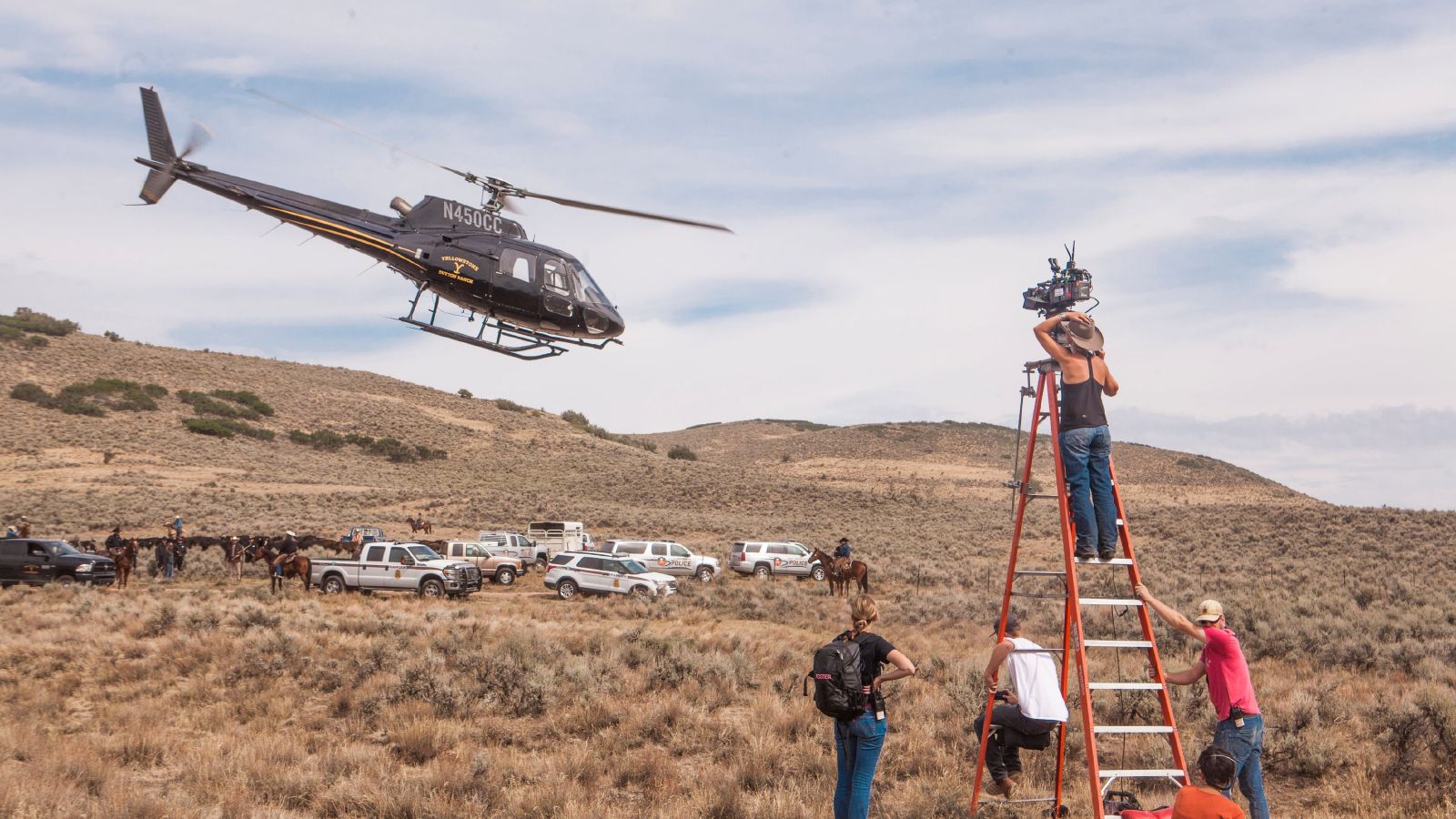
Richard Foreman / Warner Bros., Horizon: An American Saga — Chapter 1 (2024), supported by the Utah Motion Picture Incentive Program.
Incentives That Make Utah a Filmmaker Magnet
Utah’s rise as a film-friendly state isn’t accidental. Decades of policy and strategic investment have created a compelling environment for productions of all sizes.
Motion Picture Incentive Program
Designed for larger productions, it offers:
-
Up to 25% refundable tax credit on in-state spending
-
Requirement that 75% of cast and crew be Utah residents
-
Incentives to film in rural areas, promoting statewide economic impact
Community Film Incentive Program
Focused on smaller, local projects, it offers:
-
Up to 20% cash rebate
-
Leadership (director, writer, or producer) must be a Utah resident
-
Requirement that 85% of cast and crew are Utah-based
These programs ensure that productions bring tangible economic benefits to Utah communities—supporting jobs, wages, and local businesses.
Since 2018, rural film incentives alone have contributed over $200 million in spending across 28 counties. And in 2026, the state approved an additional $3 million in ongoing funding to further strengthen the program.
Utah’s Film Legacy Shapes Today’s Market
Utah isn’t new to Hollywood. Films like Butch Cassidy and the Sundance Kid, Thelma & Louise, and Footloose, along with Disney hits such as High School Musical, have made Utah a household name.
More recently, series connected to Yellowstone and other streaming-era projects have expanded the state’s visibility nationwide. And that visibility matters for housing: perception influences desirability, and desirability influences demand. Communities once considered off the radar are now drawing attention from buyers, investors, and tourists alike.
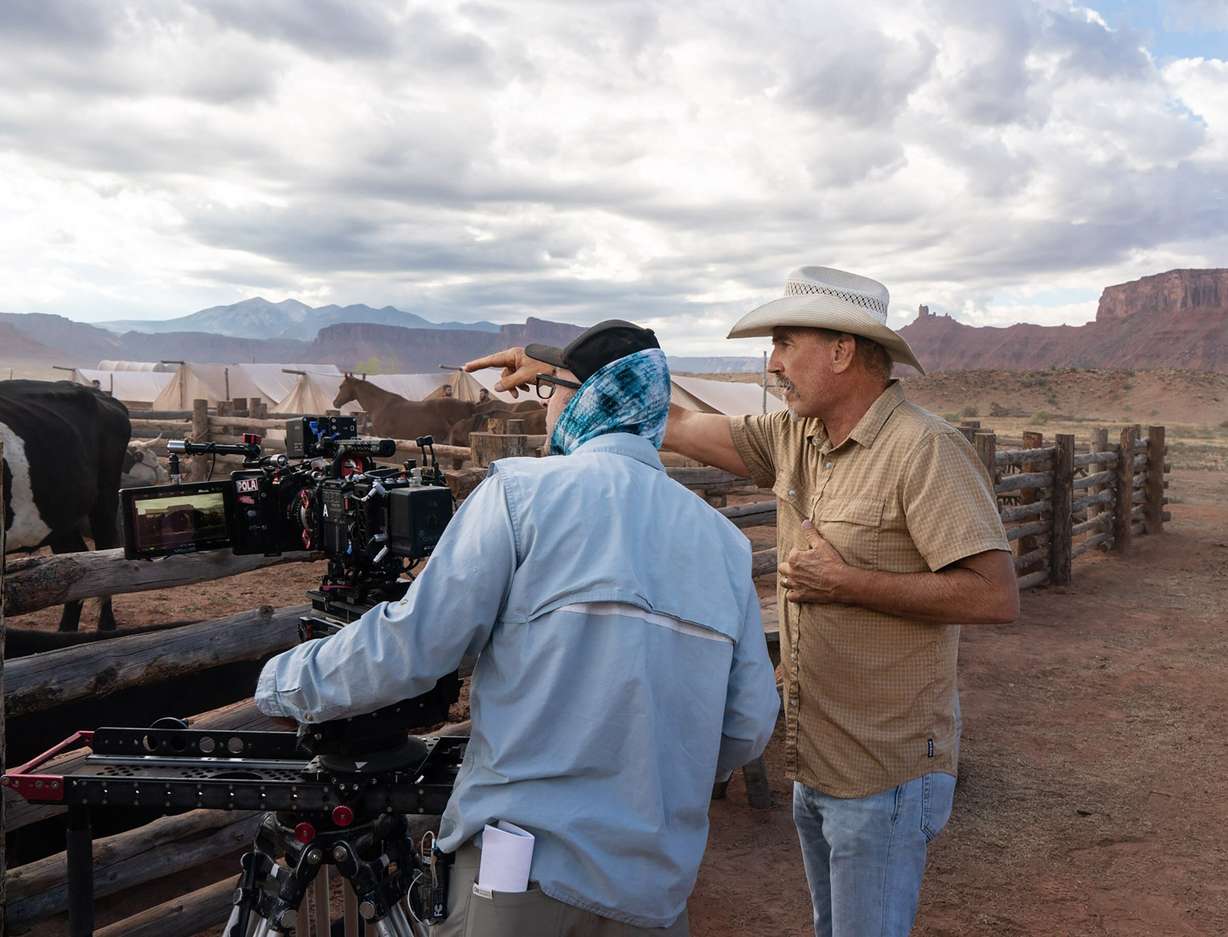
Paramount Network, Yellowstone Season 1 (2018), partially supported by the Utah Motion Picture Incentive Program.
Rural Utah: Opportunities Beyond the Cities
The state’s focus on rural areas is particularly noteworthy. By incentivizing production outside of traditional hubs like Salt Lake City, Utah is creating emerging markets with unique opportunities.
Smaller towns are experiencing:
-
Increased rental demand as crews seek housing
-
Tourism growth that supports local businesses
-
Infrastructure improvements that enhance long-term property value
Areas like St. George, Moab, and Heber Valley are prime examples. For buyers and investors willing to look beyond the usual hotspots, these markets offer a combination of affordability and growth potential.
Housing Market Data Meets Hollywood
To understand how these production trends intersect with real estate, it’s important to look at broader housing data.
According to the Utah Association of Realtors:
-
Inventory remains tight in many regions
-
Population growth continues steadily, driven by jobs and lifestyle appeal
-
Demand for flexible housing (short-term or mid-term rentals, second homes) is rising
Film production acts as incremental demand, especially in localized markets. Even temporary inflows of a few hundred workers can tighten rental supply, increase competition, and push rates higher.
In short, the film industry is not the primary driver of housing—but it’s a growing influence that savvy buyers and investors can’t ignore.
Implications for Homeowners, Buyers, and Investors
For Homeowners
-
Leasing properties to production crews can provide attractive short-term income
-
Areas gaining production exposure may see rising property values
-
Even if not leasing, visibility and economic activity can enhance long-term appreciation
For Buyers and Investors
-
Look beyond traditional hotspots—emerging markets may offer higher upside
-
Prioritize homes that can function as primary residences, short-term rentals, or second homes
-
Early awareness of production activity can position you ahead of broader demand
The key is strategic insight: understanding where production is happening allows homeowners and investors to capitalize on demand shifts before they fully materialize.
Looking Ahead: A Statewide Vision
Utah isn’t stopping at a few counties. By 2027, all 29 counties will be fully equipped to support film production, complete with infrastructure, workforce support, and local coordination.
This kind of statewide readiness doesn’t just benefit filmmakers—it signals long-term economic growth, diversifying job opportunities and supporting housing demand across the state. For buyers and homeowners, that means opportunity is expanding beyond familiar markets.
The Big Picture: Beyond Film
At its core, Utah’s film industry growth is part of a larger economic evolution. The state is:
-
Diversifying beyond tech and tourism
-
Strengthening creative industries
-
Increasing visibility on a national stage
And wherever economic growth flows, housing demand follows. Understanding these patterns helps buyers, homeowners, and investors make smarter decisions—not just for today, but for the next decade.
At The Red Sign Team, we go beyond listings. We analyze trends shaping the market so you can make informed, strategic decisions.
Whether you’re buying, selling, or exploring investment opportunities, understanding how Utah’s growing film industry intersects with real estate can give you an edge.
Reach out today for personalized guidance—and position yourself ahead of the next wave in Utah’s housing market.
Red Sign Team
Real Estate Team | Red Sign Team | KW Westfield
or another way