Categories
Housing Market Trends, Utah Real EstatePublished February 11, 2026
The Tech Boom Reshaping Utah’s Housing Market

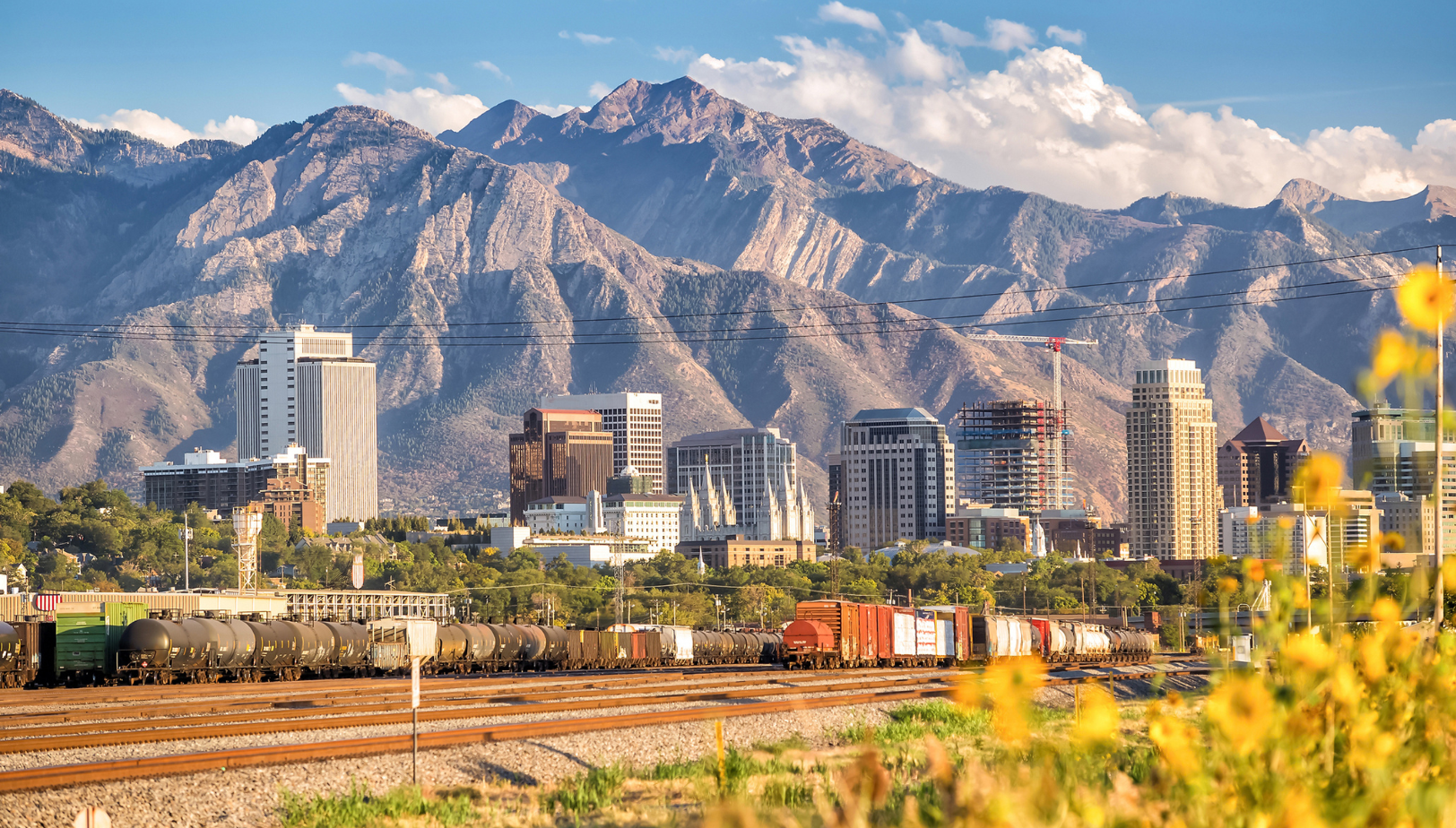
Utah is no longer just known for its world-class skiing, red rock landscapes, and family-friendly communities. Over the past decade, the Beehive State has quietly transformed into one of the most dynamic tech hubs in the country. Today, “Silicon Slopes” is more than a catchy nickname. It represents a powerful economic engine reshaping Utah’s real estate market from Salt Lake City to Lehi, Draper, Provo, and beyond.
As tech companies expand across Utah, they are fueling job growth, driving population increases, and accelerating both residential and commercial real estate demand. For Utah home buyers, sellers, and investors, this shift presents major opportunities, along with new challenges.
In this in-depth guide, we’ll break down:
-
Why tech companies are choosing Utah
-
How Silicon Slopes is impacting home prices and inventory
-
What current Utah real estate trends show
-
Where growth is happening across key cities
-
Actionable advice for buyers, sellers, and investors in 2026
If you're considering buying or selling in Utah, understanding these trends is critical.
The Rise of Silicon Slopes: How Utah Became a Tech Powerhouse
Utah’s tech boom didn’t happen overnight. Over the last 10 to 15 years, companies like Adobe, Qualtrics, Microsoft, Oracle, Pluralsight, and dozens of fast-growing startups have established major operations along the Wasatch Front.
The “Silicon Slopes” corridor, primarily stretching through:
-
Lehi
-
Draper
-
Sandy
-
South Jordan
-
Provo
-
Downtown Salt Lake City
has become one of the fastest-growing tech ecosystems in the United States.
According to data from the Kem C. Gardner Policy Institute at the University of Utah, the technology sector is one of the state’s top contributors to GDP and job growth. Utah consistently ranks among the fastest-growing states in the nation by population, according to U.S. Census Bureau estimates.
Utah has also ranked highly in U.S. News & World Report’s “Best States” rankings, often scoring near the top for economic opportunity, fiscal stability, and infrastructure.
So why are tech companies betting big on Utah real estate?

1. Strong Job Growth Is Fueling Housing Demand
One of the biggest drivers of Utah’s real estate market growth is job creation.
Utah consistently maintains one of the lowest unemployment rates in the country. According to the Utah Department of Workforce Services, the state’s unemployment rate remains below the national average, with strong job growth in:
-
Technology
-
Finance
-
Healthcare
-
Construction
-
Professional services
When tech companies expand, they bring:
-
High-paying jobs
-
Relocation packages
-
Remote workers choosing to settle in Utah
-
Demand for both rental and owner-occupied housing
High-income tech employees entering the housing market directly increase demand for:
-
Single-family homes in suburban communities
-
Townhomes near tech campuses
-
Luxury properties in areas like Draper and Alpine
-
Condos in downtown Salt Lake City
When demand rises faster than supply, home prices follow.
2. Utah Is More Affordable Than Traditional Tech Hubs
One of the primary reasons tech companies continue to expand in Utah is cost efficiency. While Utah home prices have risen significantly since 2020, they remain considerably more affordable than major coastal tech hubs such as San Francisco, San Jose, Seattle, or Los Angeles.
Commercial lease rates in Salt Lake City and Utah County are also substantially lower than in Silicon Valley. This difference allows companies to secure larger office footprints, build custom campuses, or invest in mixed-use developments without absorbing extreme overhead costs.
For employees, the affordability equation matters just as much. Many tech professionals relocating from California or Washington find they can purchase larger homes, enjoy shorter commutes, and access outdoor recreation within minutes of work. That quality-of-life upgrade makes Utah a compelling long-term destination.
Even as interest rates have fluctuated nationally, Utah’s relative affordability compared to coastal markets continues to draw both employers and high-income workers.
3. Silicon Slopes Cities Driving Real Estate Growth
Let’s take a closer look at the Utah cities seeing the most tech-driven real estate growth.
Lehi: The Heart of Silicon Slopes
Lehi has become the epicenter of Utah’s tech expansion.
Home to major campuses and tech offices, Lehi has experienced:
-
Rapid residential development
-
Strong appreciation in home values
-
Increased demand for new construction homes
-
High rental occupancy rates
Neighborhoods near Traverse Mountain and Thanksgiving Point are especially attractive to tech professionals seeking proximity to work.
For buyers, Lehi remains competitive. For sellers, demand remains strong when homes are priced correctly.
Salt Lake City: Urban Living Meets Tech Growth
Downtown Salt Lake City has seen a major transformation over the last decade.
Key trends include:
-
Adaptive reuse of older commercial buildings
-
New luxury condo developments
-
Mixed-use projects with residential and retail components
-
Strong rental demand
Tech companies expanding into downtown SLC are driving condo and townhome demand among young professionals.
For investors, downtown Salt Lake City remains attractive for:
-
Long-term rental properties
-
Short-term rental potential (where permitted)
-
Multifamily investments
Draper and South Jordan: Suburban Tech Growth
Draper has become one of the most desirable suburban communities for tech executives and high-income earners.
Buyers here are often looking for:
-
Larger single-family homes
-
Mountain views
-
Access to outdoor recreation
-
Strong school districts
As a result, home values in Draper have remained resilient even during broader market slowdowns.
South Jordan and Daybreak continue to attract buyers seeking master-planned communities with walkability and amenities.
Provo and Orem: Startup Energy and University Influence
With Brigham Young University and Utah Valley University nearby, Provo and Orem provide:
-
A young, educated workforce
-
Strong startup culture
-
Affordable housing relative to Salt Lake County
These cities remain attractive for first-time buyers and investors looking for rental demand from students and young professionals.
4. Infrastructure and Urban Development Are Supporting Growth
Utah’s investment in transportation and infrastructure plays a major role in its attractiveness.
The Utah Department of Transportation continues to expand and improve key corridors such as I-15. The FrontRunner commuter rail system and TRAX light rail lines enhance connectivity between counties and employment hubs.
Efficient infrastructure reduces commute times and increases the appeal of suburban communities. It also supports commercial expansion by improving logistics and workforce mobility.
National infrastructure legislation has further supported funding for transportation and development projects, strengthening Utah’s long-term growth trajectory.
When companies evaluate expansion locations, infrastructure reliability is often a deciding factor. Utah consistently ranks well in this category.
5. Population Growth and Demographic Strength
Utah remains one of the youngest states in the country by median age. It also consistently ranks among the fastest-growing states by population, according to U.S. Census Bureau estimates.
Growth in Utah is fueled by two primary drivers:
-
A strong natural birth rate.
-
In-migration from other states, particularly California, Arizona, Texas, and Washington.
When population growth intersects with high-paying job creation, housing demand intensifies quickly. This dynamic has been especially visible in cities such as Lehi, Draper, Herriman, Saratoga Springs, and South Jordan.
In practical terms, more tech jobs mean more households entering the housing market. That includes:
-
First-time homebuyers.
-
Relocating executives.
-
Remote workers choosing to settle in Utah permanently.
-
Investors purchasing rental properties near employment centers.
The result is sustained upward pressure on home values, particularly in tech-proximate neighborhoods.
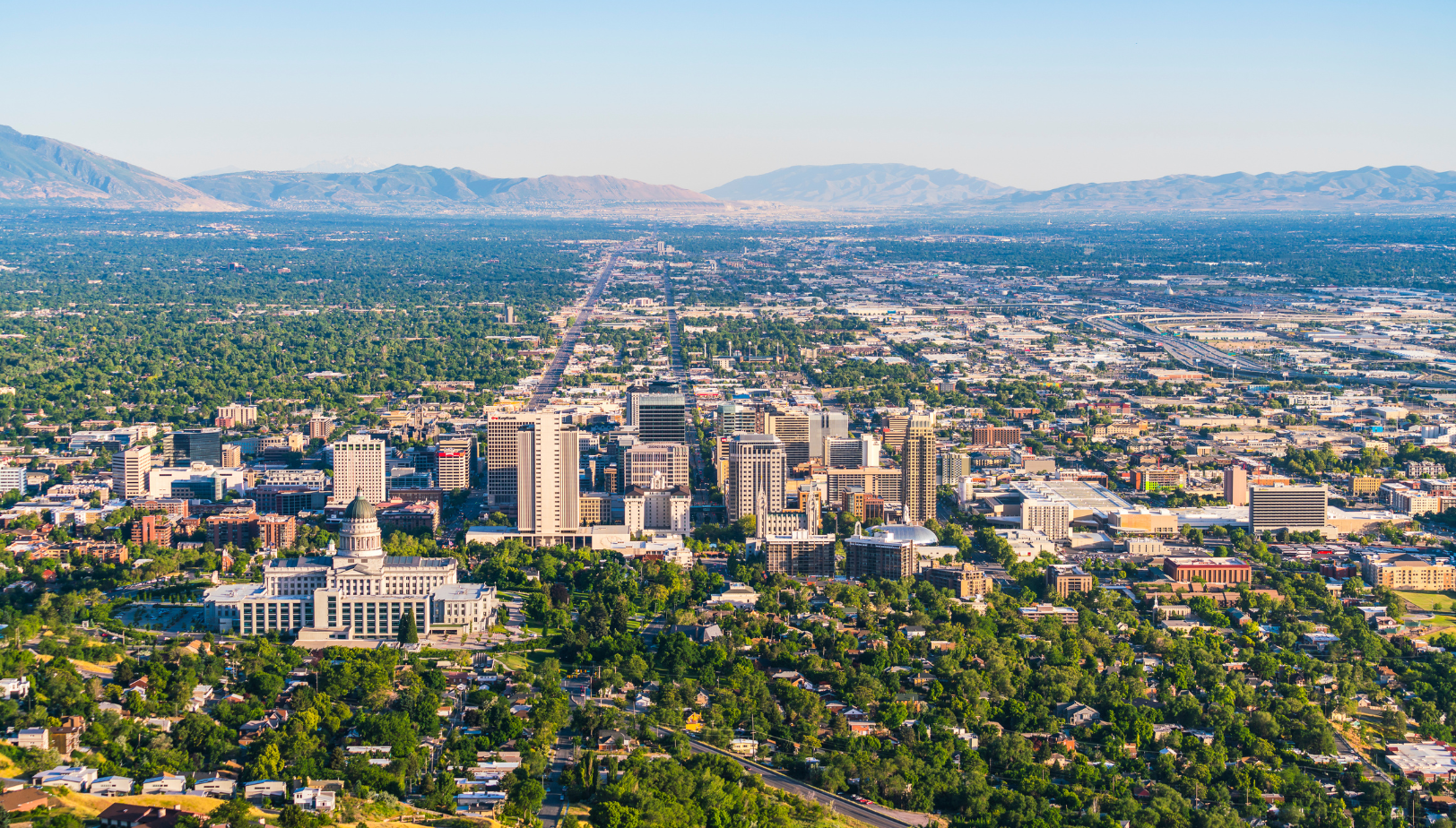
A Look at Current Utah Real Estate Market Trends
While the red-hot pandemic-era housing surge has cooled, Utah’s real estate market remains fundamentally strong.
Recent MLS and housing market reports show:
-
Stabilizing home price growth compared to 2021–2022 peaks
-
Slight increases in housing inventory
-
Continued demand in tech-heavy markets
-
Strong luxury home performance in Draper, Alpine, and Holladay
Key 2026 Trends to Watch:
-
Tech-driven relocation continues
-
New construction remains active in Utah County
-
Luxury segment remains competitive
-
First-time buyers face affordability challenges
-
Investors shift focus to long-term appreciation rather than short-term flipping
Interest rates have moderated from their peak levels, and buyer confidence is gradually improving.
What This Means for Utah Home Buyers
For buyers in 2026, strategy matters more than speed.
The market is no longer defined by frantic bidding wars in most areas, but well-priced homes in desirable tech-adjacent communities can still move quickly.
Buyers should focus on:
-
Securing pre-approval before beginning their search.
-
Evaluating commute times to major tech hubs.
-
Considering long-term appreciation potential rather than short-term fluctuations.
-
Watching inventory trends in emerging neighborhoods.
Areas such as Herriman, Saratoga Springs, Eagle Mountain, and parts of West Jordan may offer relative value compared to central Silicon Slopes locations.
Patience and local guidance can help buyers avoid overpaying while still securing strong long-term assets.
What This Means for Utah Home Sellers
For sellers, tech-driven demand remains a tailwind.
Homes located near major employment corridors or offering features attractive to remote workers often perform best. Dedicated office space, flexible layouts, energy efficiency, and proximity to recreation are highly valued.
However, pricing strategy is critical in a stabilizing market. Overpricing can lead to extended days on market, while accurate pricing aligned with MLS data trends can generate strong interest.
Professional marketing, high-quality photography, and clear positioning are essential to stand out.
What This Means for Utah Real Estate Investors
Utah continues to present compelling opportunities for long-term investors.
Strong population growth and job creation support rental demand, particularly near universities and tech campuses. Multifamily housing in Salt Lake City and Utah County remains a focus for institutional and individual investors alike.
Investors should prioritize:
-
Proximity to employment centers.
-
Access to transit.
-
Areas with planned infrastructure improvements.
-
Markets with consistent population inflow.
While rapid flipping may be less predictable than during peak appreciation years, long-term hold strategies align well with Utah’s economic fundamentals.
Is Utah’s Tech-Driven Real Estate Growth Sustainable?
Sustainability depends on economic diversity, infrastructure planning, and population trends. Utah’s economy is not reliant on a single company or industry. While technology plays a central role, healthcare, finance, logistics, and tourism also contribute significantly.
That diversification strengthens the housing market against volatility.
No real estate market is immune to cycles. However, Utah’s fundamentals remain strong relative to many other regions.
Tech companies are not simply testing the waters. They are building campuses, signing long-term leases, and integrating into local communities. That level of commitment suggests confidence in the state’s long-term trajectory.
The Bottom Line
Utah’s real estate market is no longer simply influenced by lifestyle appeal. It is anchored by economic expansion, technology investment, infrastructure growth, and demographic strength.
Tech companies are betting big on Utah because the state offers affordability, talent, stability, and long-term scalability. As those companies continue expanding, housing demand follows.
For buyers, sellers, and investors, this is not just a temporary boom. It is a structural evolution of the Utah housing market.
Red Sign Team
Real Estate Team | Red Sign Team | KW Westfield
or another way