Published August 13, 2024
How to Evaluate a Property’s Potential in Utah

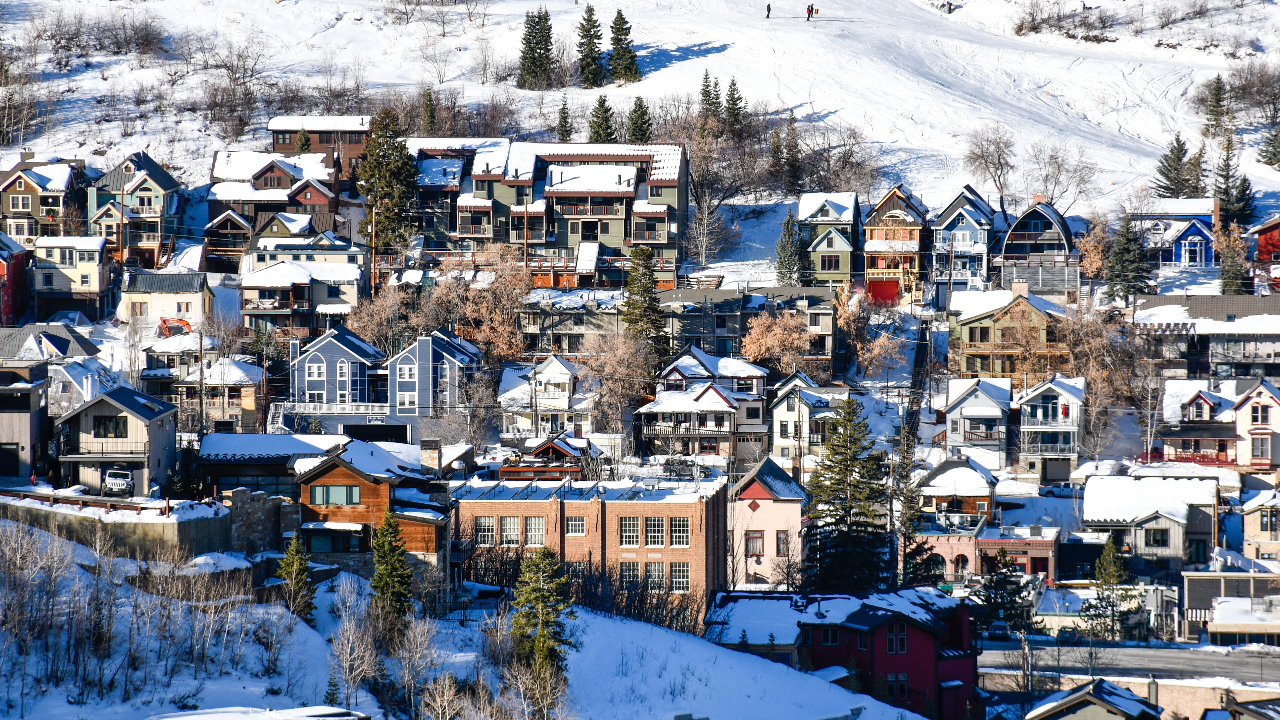
When you're eyeing a property in Utah, whether for investment or as your future home, it's crucial to evaluate its potential carefully. Understanding the key factors that determine a property's value and its future growth prospects can make all the difference in making a smart decision. Here’s a guide to help you assess a property’s potential with confidence.

Location: The First and Foremost
Location is, without a doubt, the most critical factor in real estate. In Utah, the proximity to schools, shopping centers, public transportation, and recreational areas can significantly influence a property's value. Properties in well-established neighborhoods with a reputation for safety and community often command higher prices. Additionally, consider the area's future development plans—an up-and-coming neighborhood might be your ticket to high returns on investment.
Market Trends: Stay Informed
Understanding the local real estate market trends is vital. Is the area experiencing growth in property values, or are they stagnating? Look at historical data and consult with a local real estate agent who has in-depth knowledge of Utah’s market. Keep an eye on the inventory levels, average days on market, and price trends. These indicators will give you a sense of whether you're buying in a seller's or buyer's market and help you gauge future property value.
Property Condition: More Than Meets the Eye
The condition of the property itself is a key determinant of its value. While a beautiful exterior can be enticing, it's essential to inspect the structure, plumbing, electrical systems, and roofing. Don’t overlook the potential for hidden costs—repairs and renovations can quickly add up. On the flip side, a well-maintained property with modern upgrades can save you money in the long run and increase the property's resale value.
Potential for Renovation: Unleashing Hidden Value
Sometimes, the best properties are those with untapped potential. Consider whether the property has room for renovations or additions, which could significantly increase its value. In Utah, features like a finished basement, updated kitchen, or additional bedrooms are particularly desirable. However, ensure that the cost of improvements doesn’t exceed the value they’ll add to the property.
Neighborhood Growth Potential: Look to the Future
A property's value is also tied to the growth potential of its neighborhood. Research any upcoming infrastructure projects, new businesses moving in, or planned community developments. These can indicate a neighborhood on the rise. Utah has several areas experiencing rapid growth, and buying in one of these could mean substantial future gains. But beware of areas where growth might plateau or decline—these could become less desirable over time.
Zoning and Land Use: Know the Rules
Before you make any commitments, understand the zoning regulations and land use policies for the property. In Utah, zoning laws can vary significantly between cities and even neighborhoods. Some areas may have restrictions on the type of construction allowed, while others might be prime for commercial or residential development. Knowing the zoning can help you determine if a property has the potential for future expansion or if it's best left as is.
Economic Factors: The Bigger Picture
Economic factors play a critical role in property values. Utah’s strong economy, low unemployment rate, and steady population growth contribute to a robust real estate market. However, it's important to consider broader economic indicators as well, such as interest rates, inflation, and job market trends. These can affect your ability to finance the property and the long-term appreciation potential.
Environmental Considerations: Think Green
In Utah, environmental factors are increasingly important, especially with growing concerns over sustainability and natural disasters. Evaluate the property’s risk for natural events like floods or earthquakes, and consider the environmental impact of any renovations you plan to make. Properties that incorporate green building practices or are located in areas with low environmental risk may hold more value over time.
Tips for Identifying Properties with Growth Potential
- Work with a Local Expert: Collaborate with a real estate agent who knows the Utah market well. They can help you spot undervalued properties with high potential.
- Consider the Long-Term: Look beyond immediate value and consider how the property and its location might evolve over the next 5-10 years.
- Compare Comps: Analyze comparable properties in the area to understand what features and conditions drive higher prices.
- Attend Open Houses: Get a feel for the property and its surroundings by visiting open houses in the area. This also gives you a sense of the competition.
- Don’t Rush: Take your time to evaluate all aspects of a property before making a decision. A well-researched purchase is more likely to yield returns.
Conclusion
Evaluating a property's potential in Utah requires a careful balance of research, insight, and foresight. By focusing on the right factors and staying informed about market trends, you can make a decision that not only meets your current needs but also sets you up for future success. Whether you're a seasoned investor or a first-time buyer, understanding these key elements will help you choose the property that's just right for you.

Red Sign Team
Real Estate Team | Red Sign Team | KW Westfield
or another way