
Categories
Local Real Estate NewsPublished October 29, 2026
Iron County Adopts Data Center Rules and Lifts Its Moratorium: What Cedar City and Enoch Homeowners Should Know

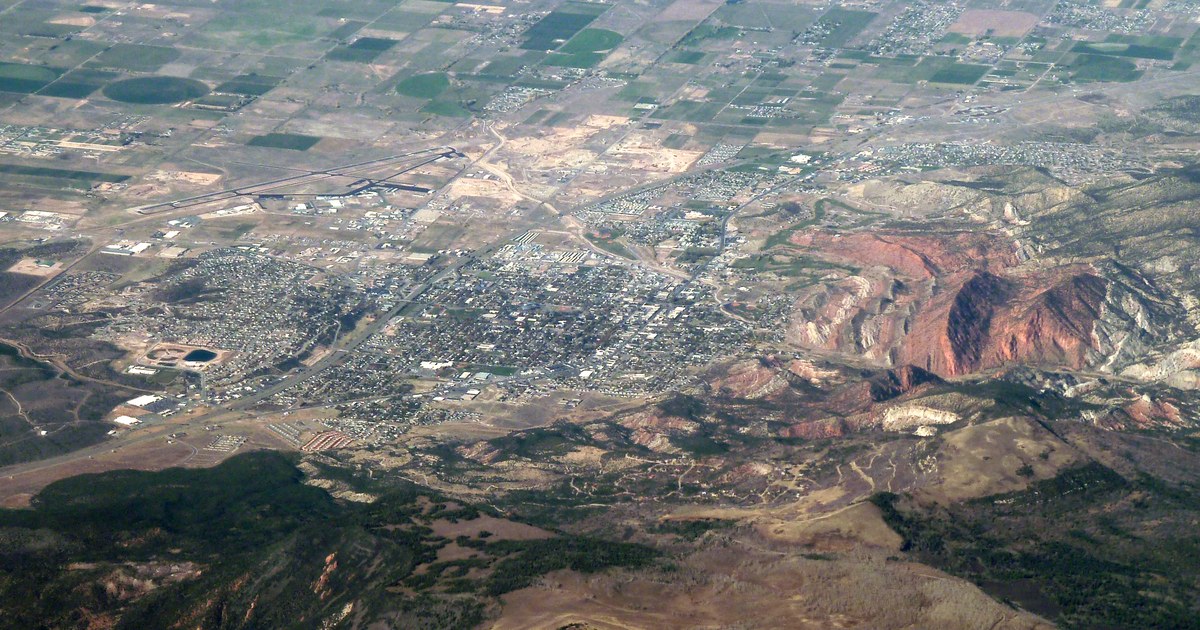
Cedar City and Cedar Valley from the air. Photo: Bobak Ha'Eri / Wikimedia Commons, CC BY 3.0.
Iron County data center projects now have a new set of rules. On Oct. 26, 2026, the Iron County Commission unanimously adopted a Strategic Development Zone overlay that requires extra review and a development agreement for large data centers and energy projects, then repealed its data center moratorium nearly four weeks early.
If you own or are shopping for a home in Cedar City, Enoch or Parowan, here's what changed, which projects are in the pipeline and what to watch next.
Last updated Oct. 29, 2026.
WHAT IRON COUNTY APPROVED ON OCT. 26
Commissioners took two votes at the Oct. 26 meeting at the Iron County Courthouse in Parowan:
- Ordinance 2026-23 amends the county zoning ordinance to create the Strategic Development Zone (SDZ) overlay. It passed unanimously.
- Ordinance 2026-24 repeals the temporary moratorium on data centers and solar power plants. The Salt Lake Tribune reported it passed with no debate.
The moratorium was set to expire Nov. 22. Developers can now apply under the new rules, and each project still goes through review and approval.
WHAT THE OVERLAY DOES
The overlay sits on top of a property's existing zoning rather than replacing it. It adds a layer of review for projects big enough to have countywide impacts.
| Rule | What it means |
|---|---|
| Who it covers | Data centers with 50 megawatts or more of anticipated IT load, plus large power plants, solar and geothermal plants, and battery storage projects above set thresholds |
| Smaller data centers | Under 50 MW go through the conditional use process. The Oct. 8 draft also required them to meet the overlay's noise, lighting, screening, hazardous-materials and water standards |
| Development agreement | Required for qualifying projects. The county can set monitoring, environmental protections and penalties for violations project by project |
| Water | No hard limit, per the Tribune. A site using more than 50,000 gallons a day must submit a water-resource plan showing it won't harm the aquifer |
| Air | The county follows existing state and federal air standards but can require extra steps to reduce emissions, St. George News reported |
For scale, the county's Oct. 8 planning staff materials put 50,000 gallons a day at about 56 acre-feet a year.
HOW THE RULES CHANGED FROM EARLIER DRAFTS
County Planner Brett Hamilton outlined several changes made since commissioners last discussed the proposal on Oct. 12, according to St. George News. Some of them reduced the number of projects that get the extra review:
- Industrial campus trigger removed: campuses of 150 acres or more are no longer their own category; the county said acreage alone doesn't reflect impacts.
- Higher solar and geothermal threshold: raised from 50 to 100 megawatts, so more of those projects stay in the regular conditional use process.
- Wider list of protected sites: separation requirements now protect schools, hospitals, licensed daycares and nursing homes as well as homes.
- Smaller solar buffer: the required separation for qualifying solar facilities dropped from a half-mile to 500 feet.
The Salt Lake Tribune described the buffers this way: a half-mile between power plants that feed data centers and "protected sensitive receptors," and 500 feet between those areas and solar plants.
THE MORATORIUM TIMELINE
| Date | What happened |
|---|---|
| May 4, 2026 | Red Butte Data Center application submitted |
| May 22, 2026 | Red Butte application deemed incomplete |
| May 26, 2026 | County adopts a 180-day moratorium on new data center, data center power plant and solar plant applications; Red Butte goes on hold |
| June 4, 2026 | Planning commission approves the Antelope Data Center permit (application was complete before the moratorium) |
| Oct. 26, 2026 | Overlay adopted; moratorium repealed |
| Nov. 22, 2026 | Original moratorium expiration date |
PAIUTE INDIAN TRIBE OBJECTIONS AND THE 30-DAY REVIEW
Leaders of the Paiute Indian Tribe of Utah asked commissioners to postpone the vote. Chairwoman Laurel Yellowhorse said commissioners had "failed to conduct any real level of consultation or discussion" with the tribe, The Salt Lake Tribune reported. KSL reported the tribe's objections as well.
Before the vote, Hamilton said the final ordinance restored a provision giving the tribe's historic preservation officer project information and a 30-day period to comment. That provision had been removed from an earlier draft. KSL reported the tribe owns about 2,500 to 3,000 acres of federally designated trust land in Iron County, though the area in question is not on tribal land.
PROJECTS IN THE PIPELINE
Antelope Data Center
Pronghorn Development's Antelope Data Center is a proposed 1.5-gigawatt project with an on-site natural gas power plant, about 15 miles northwest of Cedar City. The planning commission approved its conditional use permit on June 4. The approval covers a roughly 250-acre footprint on a site of about 640 acres, the Tribune reported. It still needs state and federal approvals, including air-quality permits from the Utah Department of Environmental Quality, before the county can issue a building permit. The developer estimates the first 500 megawatts by 2028, completion in 2033 and about 680 employees.
Residents filed an appeal of the permit, which was sent to a hearing officer, New Project Media reported in July. We couldn't confirm the current status of that appeal.
Red Butte Data Center
The Red Butte application was deemed incomplete on May 22 and put on hold under the moratorium, according to the county's data center page.
Project Juniper
Project Juniper is a proposed industrial campus of more than 830 acres west of Cedar City that could include data centers. On Sept. 14, commissioners backed adding it to the Utah Inland Port Authority's Iron Springs project area. The port authority postponed its decision on Oct. 1, 2026, and scheduled it for Nov. 5, 2026, St. George News reported. That county action doesn't authorize construction. On Oct. 26, commissioners also approved an agreement with the port authority giving the county input on future project-area changes.
BACKGROUND: WATER, THE CEDAR VALLEY AQUIFER AND ENOCH FISSURES
The Utah Geological Survey found that pumping more groundwater than is recharged has lowered Cedar Valley water levels by as much as 114 feet since 1939, causing land subsidence and earth fissures. In Enoch, a fissure damaged streets and sidewalks in the Parkview subdivision and reversed the flow of a sewer line. That 2011 study is background, not a finding about any data center.
WHAT IT MEANS FOR CEDAR CITY AND ENOCH BUYERS AND SELLERS
For buyers
- Check the zoning near a home you're considering. The county's Oct. 8 staff report said the overlay is limited to A-20, Light Industrial and Industrial districts.
- Look up nearby proposals on the county's data center page and planning commission agendas.
- If water matters to you, read the Cedar Valley subsidence background and ask about any known fissure areas.
For sellers
- Expect buyers to ask about nearby projects, so know what's proposed near you.
- Large projects now get added review, and buffers apply around homes, schools and other sensitive sites.
There's no sourced data yet on how these projects affect home values. For current numbers in your neighborhood, talk with a local Red Sign agent.
WHAT'S NEXT
- Tribal comment: the restored provision gives the tribe's historic preservation officer 30 days to comment on projects.
- Nov. 5, 2026: the Utah Inland Port Authority was scheduled to consider adding Project Juniper's land to the Iron Springs project area.
- Antelope appeal: watch for a hearing officer decision.
RELATED READING
- How Utah's AI Data Center Boom Could Reshape Real Estate Demand
- Does Southern Utah Have Enough Water for All This Growth?
FAQ
What did Iron County approve for data centers?
On Oct. 26, 2026, the Iron County Commission unanimously adopted a Strategic Development Zone overlay (Ordinance 2026-23). Large projects, including data centers with 50 megawatts or more of anticipated IT load, now need extra review and a development agreement with the county.
Is the Iron County data center moratorium over?
Yes. The 180-day moratorium adopted May 26, 2026, was repealed on Oct. 26, nearly four weeks before it was set to expire on Nov. 22. Developers can now submit applications under the new rules, and each project still has to go through review and approval.
Does Iron County limit how much water a data center can use?
According to The Salt Lake Tribune, the adopted rules do not set a hard limit. A data center site that would use more than 50,000 gallons of water a day must submit a water-resource plan showing the extra use won't harm the aquifer.
What data centers are proposed near Cedar City?
Named projects include the Antelope Data Center, about 15 miles northwest of Cedar City; the Red Butte Data Center, put on hold during the moratorium; and Project Juniper, a proposed industrial campus west of Cedar City that could include data centers.
Will a data center affect my home value in Utah?
There is no sourced local home-value data on this yet. What is known is where the new rules apply, how large projects are reviewed and how far certain facilities must sit from homes, schools and other sensitive sites. For current numbers in your neighborhood, ask a local Red Sign agent.
Thinking about buying or selling in Iron County? Search Cedar City homes, learn about buying with Red Sign or selling, or connect with an agent. Since 2008, Red Sign Real Estate Team has helped with about 3,500 transactions and earned 1,950+ five-star reviews.
Sources: St. George News, Oct. 26, 2026; KSL and The Salt Lake Tribune, Oct. 27, 2026; The Salt Lake Tribune, June 6, 2026; Iron County data center page and Oct. 26 commission agenda; Utah Geological Survey.

Red Sign Team
Real Estate Team | Red Sign Team | KW Westfield
or another way